Brands and retailers calling for an end to the Trump-era Section 301 tariffs may be out of step with the views of the typical consumer. New data shows that two-thirds of Americans believe the U.S. government should slap more tariffs on China-made goods.
Americans on both sides of the aisle support higher duties, and believe the U.S. should prepare for military threats from China, according to a Reuters/Ipsos survey released this week. A two-day poll that closed on Tuesday showed that people are concerned about China’s global influence, especially as ties with the U.S. fray.
Related Stories
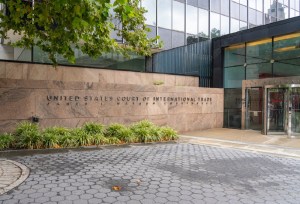
The nationwide poll, which amassed responses from 1,005 adults including 443 Democrats and 346 Republicans, revealed that 66 percent would be likely to back a presidential candidate who supports new tariffs on Chinese imports. This runs counter to the fashion and retail trade associations calling to reverse the punitive tariffs on goods imported from China. Last month, the Retail Litigation Center led the filing of a brief signed by several industry trade groups calling for the U.S. Federal Court of Appeals for the Federal Circuit to reverse the U.S. Court of International Trade’s ruling that kept the duties in place.
American consumers are wary about China’s aggression. Two-thirds of survey respondents (including 58 percent of Democrats and 81 percent of Republicans) said they wanted to see the U.S. do more to guard against possible Chinese military threats. Most Americans (75 percent) have a negative view of China, and 84 percent view President Xi Jinping at least slightly unfavorably. Nearly two-thirds (65 percent) said they believed China’s government was trying to influence the U.S. election.
China has developed a reputation as a bad actor. The U.S. has denounced its anticompetitive practices like intellectual property theft and currency manipulation. Forced labor in China’s manufacturing and raw materials sectors is another area of concern. China’s recent aggression toward Taiwan, which it views as part of its territory, only adds to the global tension.
Only 38 percent of Reuters/Ipsos survey respondents approve of deploying U.S. troops to defend Taiwan if it comes to that, despite White House support for the roughly 24 million-strong populace. Beijing’s recent saber-rattling includes ocean and air military drills and propaganda videos this week showing soldiers preparing for battle in the Taiwan Strait. CIA director William Burns believes Xi is preparing to invade Taiwan by 2027.
Late last month, the Biden administration said it would send Taiwan $345 million worth of U.S. weapons, a move that aligns with the survey takers, about half, who approve of America giving Taiwan military equipment. President Joe Biden has recently stepped up his stance on China, calling Xi a “dictator” at a June campaign fundraising event. Though Beijing fired back, Biden said the pointed jabs are “just not something I’m going to change very much.”
In the lead-up to the 2024 presidential election, Republican frontrunners are doubling down on their own anti-China rhetoric. Former President/future hopeful candidate Donald Trump, as well as U.N. Ambassador Nikki Haley and Florida Governor Ron DeSantis, have promoted ending permanent normal trade relations with China.