There’s no question that tariffs have played an outsized role in reshaping the global trade landscape over the past year—but they may not be the greatest hurdle for developing nations looking to grow and expand their exports and bolster their GDP.
According to United Nations Trade and Development (UNCTAD), that distinction actually belongs to non-tariff measures (NTM) that have, for decades, inhibited market access for less developed economies.
While tariffs rose markedly in 2025—by an average of 10 percent for developed countries, 16 percent for developing countries and 18 percent for least developed countries—NTMs like technical regulations, health and safety requirements and certification procedures impose higher export costs than tariffs for 88 percent of countries, UNCTAD’s May Global Trade Update revealed.
Related Stories
According to the report’s authors, NTMs, while aiming to hold exports to certain necessary standards, often lead to costs for exporters related to compliance, information gathering and procedural changes.
NTMs have become a central tenet of modern trade agreements, with negotiations between countries focusing on aligning certain rules and recognizing standards while streamlining procedures for trade.
But UNCTAD analysts wrote that developing and least-developed countries feel disproportionately targeted when it comes to compliance with these rules, as they’re impacted by some of the highest duties as well as complex regulatory requirements—a phenomenon the report characterized as a “double burden.”
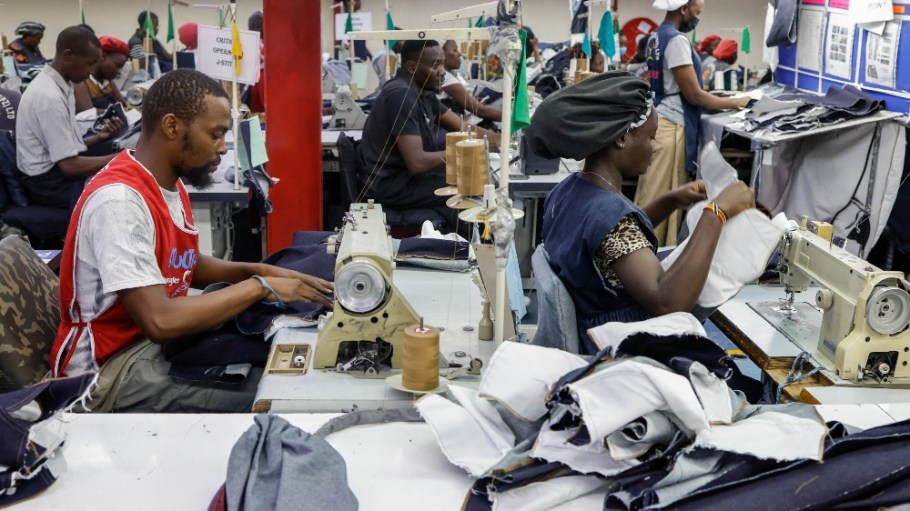
For example, tariffs on exports from South Asia and Latin America nearly doubled last year. At the same time, least-developed countries within these markets tend to lose around 10 percent of their possible exports to G20 markets because of their inability to meet NTM requirements. Smaller exporters within these countries face an even greater burden, as they have limited technical and financial resources to tap in their pursuit of compliance.
According to UNCTAD, transparency surrounding the regulations themselves could significantly drive down costs for exporters. Producers selling into non-domestic markets often have a limited understanding of the rules and regulations of their end markets, and finding curated and concise information summarizing these elements can be a challenge.
“Lack of transparency acts as a hidden trade barrier. Firms often struggle to know which rules apply to their products,” the analysts wrote.
According to the reporting, improving transparency could yield major benefits for producers and exporters in developing and least-developed countries, reducing NTM-related trade costs by around 19 percent. When measures aren’t communicated and those parties aren’t notified, by contrast, costs can be similar to a 28 percent tariff.
Existing tools like global databases of NTMS can improve access to information, but they need to be expanded and updated, UNCTAD wrote.
The group also believes that regulatory cooperation between countries could lead to gains for less-developed economies. Some standardization should exist across markets to avoid creating extra costs and labor, the report said, as “regulatory convergence” could cut NTM-related costs by 15 percent to 30 percent.
In Africa, for example, even limited cooperation could slash costs by a whopping 30 percent to 40 percent in the agricultural and manufacturing sectors.
“Non-tariff measures serve legitimate public policy goals. They support safety, health and environmental protection. The objective is not to remove them, but to reduce unnecessary costs,” the analysts wrote.
“Greater transparency, stronger regulatory cooperation and targeted support can help exporters meet requirements more efficiently,” they added. “Aligning or recognizing standards across countries can also lower costs, particularly in trade between developing economies.”