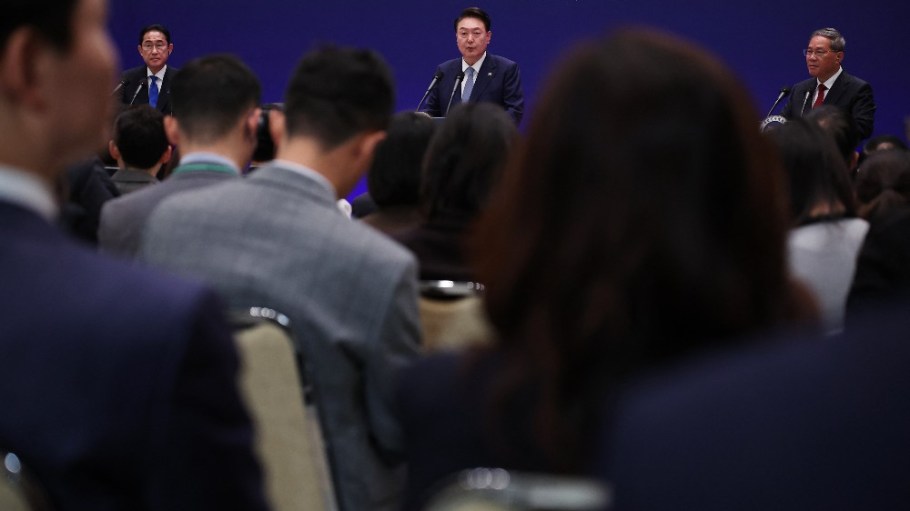
At a meeting between China, Japan and South Korea on Monday, Beijing urged its Asian trade partners to move toward “a restart and a new beginning” following more than four years without a formal three-way dialogue.
Chinese Premier Li Qiang, South Korean President Yoon Suk Yeol and Japanese Prime Minister Fumio Kishida revived the once-annual meeting and committed to improving relations against a backdrop of global economic uncertainty and geopolitical turmoil.
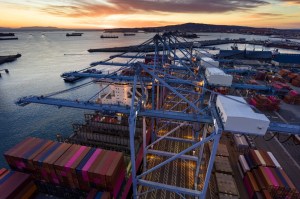
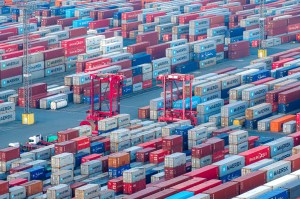
At the Seoul-based summit, Li praised the effort to jumpstart cooperation between the Asian superpowers, saying that he hopes to see more collaboration surrounding supply chains and a potential three-way free-trade agreement.
Related Stories
“Recognizing that the Republic of Korea, Japan and the People’s Republic of China are neighboring countries sharing everlasting history and infinite future with significant potentials for cooperation across multiple domains,” the leaders jointly said they would strive to institutionalize such discussions.
Together, they said they aim to implement mutually-beneficial projects and actions related to sustainable development, public health, science and technology and digital transformation. The countries reaffirmed a commitment to the 2030 Agenda for Sustainable Development and a movement toward net-zero emissions, as well as a desire to take “solid action” to support the climate goals laid out in the Paris agreement.
The leaders also spoke to the importance of working together to develop economic opportunities and cross-border cooperation. “We share the recognition that joint efforts in the economic and trade field among the three countries play a significant role for the prosperity and stability of the regional and global economy,” they said in a statement.
They agreed that they would “continue to work to ensure a global level playing field to foster a free, open, non-discriminatory, transparent, inclusive and predictable trade and investment environment.”
The meeting signaled desires across the board for greater alignment, but Premier Li also warned his counterparts from South Korea and Japan to reject external disruption to the trilateral relationship, according to Chinese state news outlet Xinhua. The admonition was a thinly veiled dig at the U.S., which is both nations’ most prominent military ally.
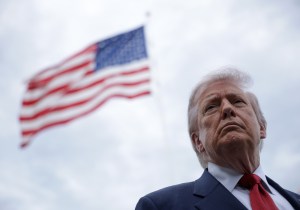
He also exalted the benefits of globalization and encouraged the other leaders to reject protectionism, which has defined the U.S.-China relationship for years. The friendly and productive relationship the U.S. enjoys with Japan and South Korea has left China on the outs with both Asian countries, and, along with the pandemic, has contributed to the long-term lapse in the yearly meeting between the three nations.
Monday saw Li take more than a few jabs at the U.S. government, alluding indirectly to Washington’s attempts to implement Asian trade “blocs” that exclude China. He also said he opposed turning economic and trade issues into “political games or security matters,” Xinhua reported.
But some of tensions that plague the U.S.-China relationship have also affected China’s associations with Japan. Prime Minister Kishida “reiterated that peace and stability in the Taiwan Strait is extremely important to the international community, including Japan,” the Japanese Ministry of Foreign Affairs said after the summit. In response, Li called the Taiwan issue a “red line,” implying that it shouldn’t be crossed.
However, the three leaders reaffirmed a desire to work together to denuclearize the Korean Peninsula, despite China’s status as North Korea’s biggest trade partner.