The United States isn’t the only North American nation embroiled in a trade conflict with China.
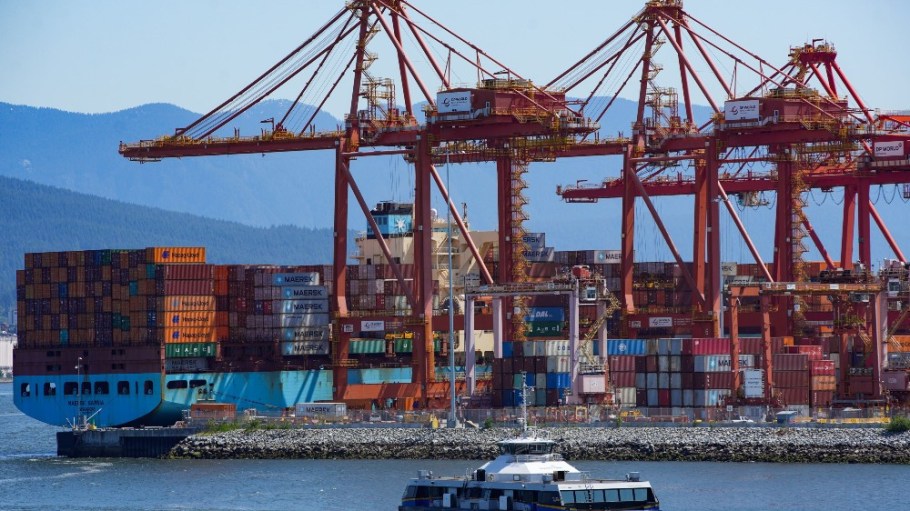
This week, the Asian sourcing superpower issued its second request with the World Trade Organization (WTO) for the establishment of a dispute panel to address Canadian surtaxes on certain products hailing from China, from electric vehicles to steel and aluminum.
The follow-up with the Geneva-based international trade regulation body comes about a month after China’s first request for a panel, which Canada said at the time that it was not ready to accept.
Related Stories
Chinese trade officials told the WTO that the country sees Canada’s taxes on the industrial products as inconsistent with provisions of the General Agreement on Tariffs and Trade (GATT), a multilateral agreement regulating trade between 153 countries. China said it was open to constructive discussions, and remains committed to resolving the dispute with Canada.
Canadian officials called it “unfortunate” that China included claims related to certain solar products, critical minerals, semiconductors, permanent magnets and natural graphite in its request, saying that there aren’t currently any surtaxes on them. Canada asserted that China failed to identify the specific issues at play with its request, a requirement under the Dispute Settlement Understanding (DSU), which establishes rules for resolving trade disagreements.
The country also defended its surtaxes on steel and aluminum, saying those measures are justified under the GATT and that it was fully prepared to defend its stance. Nonetheless, Canada said it was committed to maintaining a constructive dialogue with China “even as the dispute moves to the panel stage,” officials told the WTO. A panel is established when the parties at odds can’t come to a resolution through consultations.
The U.S. added its voice to the mix, saying China had responded to Canada’s surtaxes by imposing tariffs on Canadian agricultural and fishery products. Those duties, impacting certain oils and animal feed, taxed Canadian imports at a rate of 100 percent. Australia, the European Union, India, Japan, the Republic of Korea, Malaysia, Norway, the Russian Federation, Singapore, Switzerland, Turkey, the United Kingdom, Ukraine and the U.S. reserved their third-party rights to participate in the proceedings, the WTO noted.
In turn, Canada submitted a second request for a panel to discuss the Chinese tariffs on its exports the same day. First submitted on March 20, Canada’s filing requested consultations with China, though the country later moved to request a panel on the matter. The country’s officials said China’s duties violated WTO rules, adding that because the issue concerns perishable goods, like food products, the case should be treated as urgent. China said it plans to defend itself and is confident that its actions will be found to be in compliance with WTO rules.
The WTO agreed Monday to move forward with convening panels on both disputes.