Unfair purchasing practices are unfortunately still a reality in the apparel supply chain, and the garment worker ultimately has the most to lose.
According to a 2025 survey from U.K.-based nonprofit Transform Trade of nearly 200 garment suppliers in India, 44 percent of respondents say fashion brands insisted on discounts after an initial contract was agreed upon. More than half (53 percent) said they received cancelations in the middle of production, while 81 percent said brands would not adjust price to account for any increase in minimum wages.
Related Stories
Contracts of this nature between a brand and a supplier often tend to be one-sided, according to Sarah Dadush, professor of law and founding director of the Responsible Contracting Project, or RCP, at Rutgers Law School.
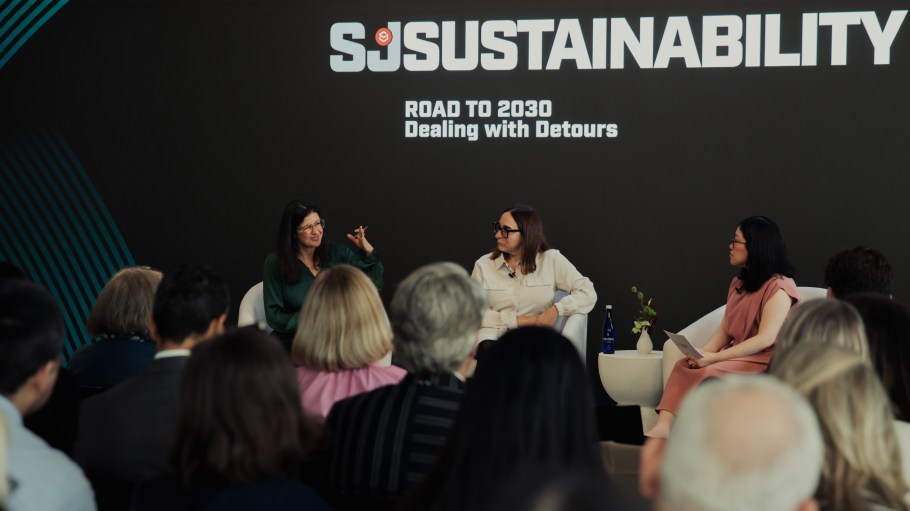
“They put all the responsibility for upholding human rights and environmental standards onto the supplier,” said Dadush at the SJ Sustainability Summit on April 23. “That includes not just the legal, contractual responsibility, but also the costs that are associated with upholding the standards. The contractual method is essentially creating a fiction whereby the buyer has nothing to do with it. It’s all on the supplier.”
If any human rights or environmental issues play out, suppliers could be held under breach of contract in some cases, risking a buyer cancelation or payment suspension — further incentivizing the vendor to hide the problem.
Karen Stauss, chief program officer of Transparentem, an organization that investigates labor and environmental abuses in global supply chains, noted that this problem goes deeper than worker productivity or health.
“It’s a question of human suffering,” Stauss warned. Transparentem has conducted recent investigations into labor abuses against migrant workers in textile supply chains in Mauritius and Taiwan. In Mauritius, the organization uncovered that some workers were paying $6,000 in “recruitment fees” just to access their job.
“Workers are literally paying to work. It makes no sense. In both Mauritius and Taiwan, where we did the investigations, we found that the workers were being deceived about what those conditions would be before they had been sent to those jobs, and left their home country,” said Stauss. “In many cases, it can result in supply chain disruption. We are seeing buyers who end up just walking away.”
Given the state of labor embedded within many apparel supply chains, Stauss argued that it doesn’t make sense for buyer-supplier contracts to not include clauses address the risks involved. Current contracts too often allow brands to “cut and run” once they have uncovered an indicator of forced labor at the supplier.
“Buyers and suppliers, in some ways, are perhaps burying their heads in the sand a little bit and just hoping that it will be someone else’s problem to bear the burdens of not responding,” she said.
Dadush suggested that “right-to-cure” provisions that typically are reserved for product quality defects should also be extended to cover adverse impacts to workers and the environment.
In doing so, workers that are harmed by any conduct violation within the contract would receive remedy.
“To be clear, to say remediation first does not mean that you are then forever locked in with a bad supplier,” Dadush said. “It just extends the sequence toward exit by adding this phase of remediation. If remediation doesn’t work, or it can’t work because you have instances of forced labor, for example, which turns out you have a bad supplier that is unwilling to remediate, then you move to exit. But the idea is that exit is the last resort, which is in line with the CSDDD and other due diligence requirements.”
At Dadush’s RCP, the nonprofit develops practical tools, including model contract clauses, template codes of conduct and implementation guidance that companies can use to improve the human rights performance of their contracts and, by extension, their supply chains.