Kudro Kids, a new small-batch children’s denim brand, has sustainability baked into its DNA.
Launched last year by Rebecca Ford, the direct-to-consumer brand specializes in gender neutral denim designs for kids size 2-12 made with sustainable fabrics, dyes, finishes and trims. Ford’s 360-degree approach to responsible design also include a takeback scheme to help extend the life of jeans.
Ford’s previous experiences designing denim and wovens for Abercrombie Kids and then at Li & Fung introduced her to the world of children’s fashion. It’s also how she pinpointed the gap in the market for premium, gender neutral denim for kids.
Related Stories
“There are not many kids’ brands just focused on denim,” Ford said. “It’s definitely great to be able to produce jeans for kids that have a high level of sustainability and are a more elevated and durable product.”
Sustainability, she added, requires a “bit of everything.”

Kudro is part of the Fair Trade Certified network that signifies a steadfast dedication to ethical labor practices. The brand is also a partner of 1% For The Planet, meaning it is committed to donate one percent of annual sales revenue directly to environmental organizations.
Kudro’s fabrics are sourced from China’s oldest denim mill, Advance Denim. Key ingredients include organic cotton, sustainable sourced cotton, lyocell and Lycra T400 EcoMade. “We try to use as little virgin polyester as possible and avoid using fabrics that have a polyester quantity higher than 10 percent,” Ford said.
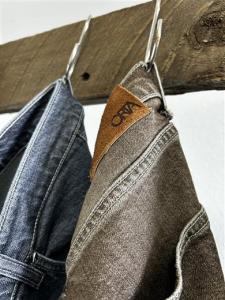
Fabrics are dyed with CleanKore technology, resulting in the elimination of potassium permanganate (PP) spray and reduction in water, chemicals, energy, time and carbon footprint. The brand uses sustainable finishing solutions like laser, stone-free and air wash, and prioritizes sustainable trims, including Jacron patches, eco finish hardware and thread made with BCI cotton. Recycled polyester is used in zipper take and pocket bags, which Ford takes extra special care to feel comfortable.
Comfort and how the garment feels on the body is especially important in children’s wear, Ford said.
In her work in fast fashion and mass market manufacturing, Ford said she sees how brands will sacrifice fabric quality and hand-feel to make their margins or to make products more affordable. It’s a contradictory choice, she added, as most parents say their kid doesn’t like to wear jeans because of how they feel on.
Gender neutral designs are part of Kudro’s circularity mission, which will make the jeans easier to passed down to younger siblings and friends. “I’m trying to capture the age range before the body starts changing shape,” Ford said, adding that most girls that wear a size 14 or 16 don’t want the same style of clothing as a 7-year-old anyway.
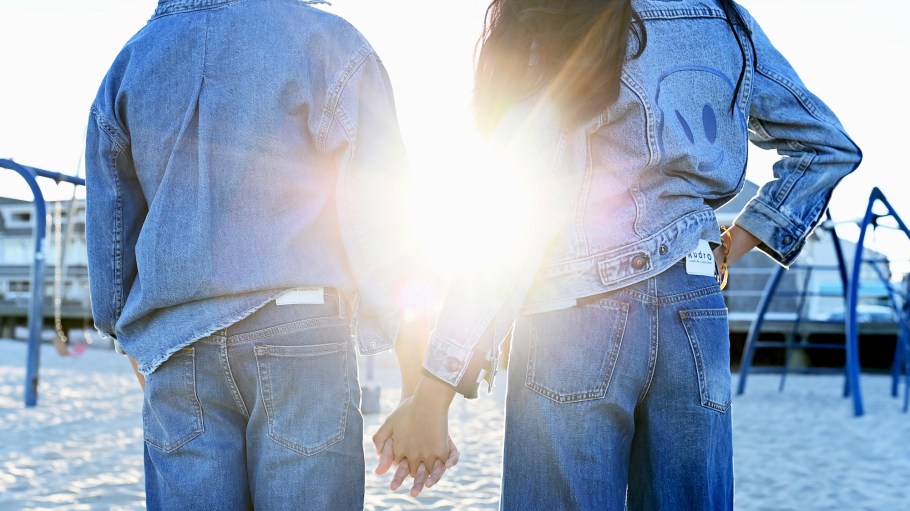
Kudro Kids launched with three fits—skinny, straight and wide-leg—and seven styles. The Utility straight, which has a layered patchwork construction modeled after a vintage pair of jeans, and the Repair skinny, a jean with mended details and a laser-printed smiley face are early contenders as best-sellers. Jeans retail for $125-$134.
Running a premium children’s denim business is not without its challenges, however. Ford said she’s still learning who her target customer is. Kudro is also still a side gig to her full-time job at a clothing manufacturer. Ford said she is also anticipating how the trade policies of the incoming Trump administration could affect her sourcing strategy.
Though the brand is still in the early days, Kurdo’s premium quality and sustainable designs are garnering attention. The U.K. publication, “Junior,” awarded the brand a silver medal for “Best Circular/ Vintage/ Rental Fashion Brand” category of its 2024 design awards. Ford is also considering expanding into wholesale through Orderwizz, the B2B ordering platform founded by Playtime.