The $23 billion deal with two Panama ports as its centerpiece is making way for further butting of heads between the U.S. and China.
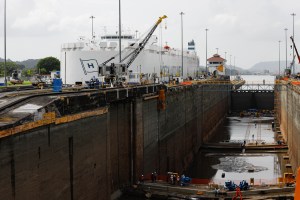
On Wednesday, the U.S. ambassador to Panama called for the removal of all Chinese-linked operators from Panama Canal-adjacent ports, as part of the Trump administration’s determination to rid the waterway of alleged Chinese influence.
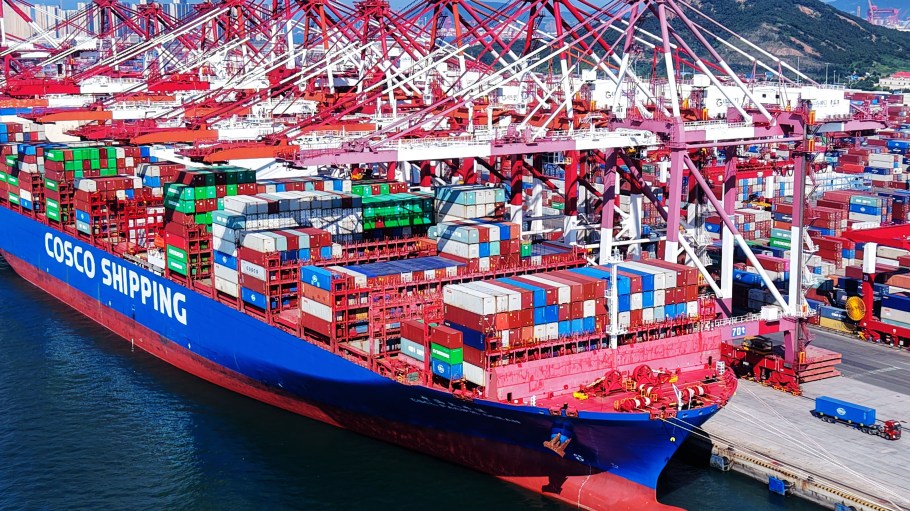
Two days later, the Financial Times reported that Cosco Shipping is seeking a stake of at least 20 percent to 30 percent in the deal that would change hands of 43 ports worldwide. Cosco has been tied to a potential rework of the deal since June, but has never confirmed any role in the deal.
Related Stories
CK Hutchison, the Hong Kong-based global terminal operator that sold the ports, confirmed in late July that it is seeking a major Chinese investor in the deal in a move that is sure to ruffle the feathers of lawmakers in Washington.
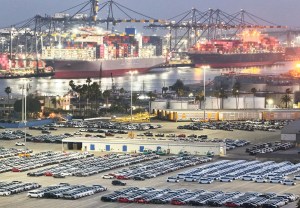
In the original version of the deal, Mediterranean Shipping Company (MSC) and American asset management firm BlackRock formed a consortium to buy the dozens of ports, which included the Balboa and Cristóbal gateways.
The Balboa and Cristóbal ports handled nearly 40 percent of Panama’s total container volume in 2024, according to the Panama Canal Authority.
The 145-day exclusivity period for the merger ended in late July, opening up room for other parties to engage. CMA CGM, which has sought to expand its terminal operations in recent years, suggested it has considered throwing its hat in the ring as a suitor. The FT report said no other shipping companies besides Cosco have entered discussions to join the consortium.
Speaking during a visit to the country, Ambassador Kevin Marino Cabrera criticized CK Hutchison subsidiary Panama Ports Company, the owner of the Balboa and Cristóbal ports, for its Chinese ties.
“Our position is that they are a bad operator. They have not done a good job,” Cabrera said. “It is a company of the Communist Party. We are enthusiastic that they will soon no longer be operating those ports.”
Cabrera added the new operators of the Panama ports should be reliable companies “committed to supporting the Panamanian people.”
The deal is already on thin ice on multiple fronts.
Chinese President Xi Jinping was reportedly irate over the original deal, with state media slamming the transaction in the weeks after. China’s antitrust regulator then launched a probe, which delayed the initial closing of the transaction in early April. A July report from the Wall Street Journal indicated that Beijing sought to block the deal if Cosco was not included, with BlackRock, MSC and Hutchison all open to its entry.
Panamanian officials have held the potential deal under scrutiny, citing CK Hutchisons’ prior and current contract with the country’s government.
In late July, Panama’s comptroller general filed two lawsuits before the country’s Supreme Court seeking to annul a 25-year contract extension agreed upon in 2021.
The filings allege the renewal process violated constitutional procedures and included financial irregularities. Additionally, the suit accused Hutchison of breaching the prior deal agreed upon in 1997, saying the port operator did not share the 10 percent of its net income through 2023. This followed the country’s attorney general’s claims that the current contract was unconstitutional.
Hutchison denied the claims against it, but Panama’s President José Raul Mulino even shared his doubts that a port deal would occur, amended or not.
The alleged irregularities were discovered after a three-month audit into both ports, which followed President Donald Trump’s rhetoric that the canal was under Chinese control. Since his election in November, Trump has established a goal for his administration to “take back” the Panama Canal from possible Chinese interests.
Cosco’s role in the merger may not include the Panama ports at all. FT reports that under one option, the Chinese state-owned ocean carrier would acquire the two Panama ports, instead scooping up the remaining 41 gateways.
That version would increase the likelihood of the U.S. approval of a transaction.
When asked in a Friday morning press briefing, Chinese foreign affairs minister Guo Jiakun did not comment on which option it would take.
“On CK Hutchison’s sales of its assets overseas, the Chinese government will conduct lawful regulation, firmly safeguard national sovereignty, security and development interests, and uphold justice and fairness in the market,” Jiakun said.
The FT report suggested that any new bidder will likely need to be in the good graces of Cosco.
“It has become all about how to make Cosco happy,” one source said.