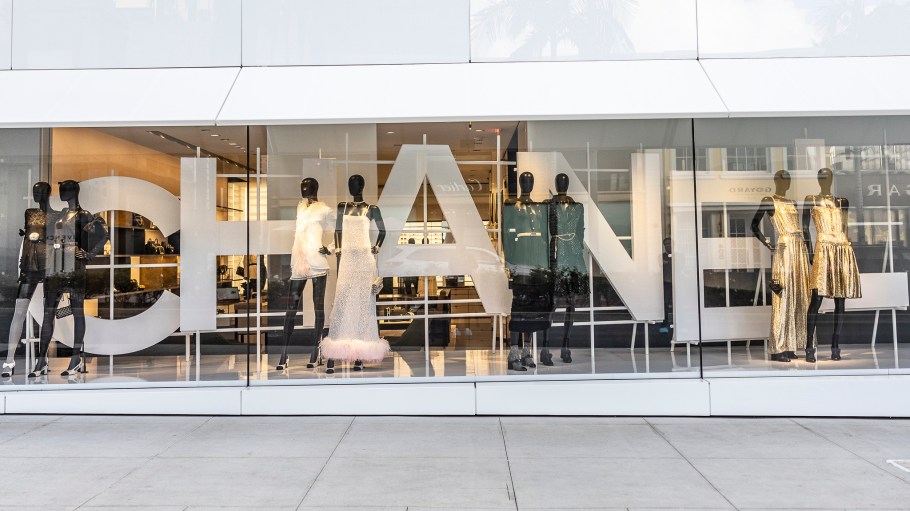
Less than a month since Chanel asked a New York federal court judge to block luxury resale site What Goes Around Comes Around (WGACA) from using the label’s trademarks or altered goods on its website, WGACA has asked that injunction be denied.
In a brief filed this week, WGACA asked the court dismiss Chanel’s bid for an injunction because it says the luxury brand has not been harmed by its resale of Chanel products. WGACA also said the decision to award Chanel $4 million in statutory damages was enough compensation without the addition of the injunction.
Related Stories
The dispute stems from a suit filed by Chanel against WGACA in 2018, which alleged the retailer sold counterfeit bags and display-only items not meant for sale. The luxury brand also said WGACA implied affiliation with Chanel through marketing efforts, such as coupon codes and social media posts, when no such relationship existed.
A multi-week jury trial was held in New York federal court earlier this year, with a unanimous verdict coming down on Feb. 6 in favor of Chanel finding WGACA guilty of trademark infringement, false association and unfair competition. Evidence against WGACA included handbags with voided stolen Chanel serial numbers, point-of-sale items and altered or repaired Chanel products.
Following that decision, Chanel requested a permanent injunction that would prohibit WGACA from using Chanel logos or other marks for anything other than identifying authorized items for sale. The luxury maker requested that authorization come in the form of prominently posting photographic evidence of Chanel serial numbers of the items WGACA sells on its site, as well as posting an authorization disclaimer. Chanel also asked the court to order the reseller to recall any items sold to consumers or wholesalers since March 2018 that could be considered unauthorized or infringing on trademarks.
In its brief, WGACA said that evidence in that case actually shows the retailer did not act willfully to sell unauthorized items or engage in any other infringement. The resale site said it was unaware of the counterfeit nature of the Chanel bags in question, including those bearing serial numbers stolen from a supplier factory in Italy in 2012.
WGACA went on to say that it was also unaware of “Chanel’s prohibition of the sale or distribution of…point-of-sale items until this litigation.”
WGACA claims that Chanel is using this suit and injunction request as a means of restricting sales in the secondary market, which has exploded in recent years. According to estimates from global management consulting firm Bain & Company, approximately $49.3 billion worth of secondhand luxury products were sold worldwide in 2023. And the luxury resale market has roughly doubled in size over the last four years, now equivalent to 12 percent of the new luxury goods market value.
WGACA accuses Chanel of having “unclean hands,” a reference to court doctrine that says “the equitable powers can never be exerted on behalf of one who has acted fraudulently, or who by deceit or any unfair means has gained an advantage.” The reseller claims one of Chanel’s key witnesses provided false testimony and that the brand allegedly tried to prevent one of WGACA’s witnesses from testifying, all in the name of squashing resale competition.
“The radical injunction proposed by Chanel is nothing more than a transparent attempt to wrest control of the secondary market, a plan that Chanel has been contemplating since at least 2017,” WGACA said in its brief. “Chanel chose to attack the secondary market as is evident by its initiation of lawsuits against WGACA and The ReaReal in 2018.”
WGACA went on to say that requiring the reseller to obtain documentary evidence such as original purchase receipts would be untenable and to prohibit the retailer from using Chanel’s marks in its advertising would violate its right to lawful commercial speech under the First Amendment.
WGACA concluded by saying enacting this “extreme injunction proposed by Chanel goes far beyond what is necessary and is clearly intended to terminate WGACA’s ability to sell any Chanel goods,” and continued that the injunction “would not only devastate [its] business, but would chill the second-hand industry as a whole.”