
It’s feast and famine in fashion.
COVID-19 and all its attendant disruptions and pressures has merchants racing to keep up with unprecedented demand, paying more for raw materials and desperate to hire workers for the sales floor.
In between there are factory shutdowns to fight the pandemic, a shortage of containers in Asia, jammed-up ports in America, not enough truck drivers or distribution workers and more.
There’s usually a hot spot somewhere in the industry, one problem on everybody’s radar — but holiday 2021 has produced something more like a complete overheating of global business.
Some of it’s just a quirk of an extraordinary couple of years when the coronavirus reset the industry and life. But as the on-the-ground realities of business today sink in, things are starting to change as companies think harder about where they make goods and how they get them to consumers.
Related Articles
Right now, the getting is good, consumers are buying and job number one seems to be grabbing market share and sales before something else changes.
You May Also Like
Total U.S. retail and food service sales accelerated faster than economists projected in October, rising a seasonally adjusted 1.7 percent from the proceeding month. That’s up from a 0.8 percent increase in September and ahead of the 1.1 percent experts had penciled in.
Department store sales rose 2.2 percent compared with September and were up 27.6 percent from a year earlier. Apparel and accessories specialty store sales slipped 0.7 percent month to month, but were up 25.8 percent from October 2020 showing the dramatic comeback from last year when the pandemic restricted people closer to home.
E-commerce continued to gain ground, with nonstore retailers logging a 4 percent rise compared with September and a 10.2 percent gain from a year earlier.
“October’s numbers highlight the retail industry’s ongoing hardiness now that we’re in the fourth quarter,” said Jack Kleinhenz, chief economist at the National Retail Federation. “Consumers remain in high gear moving into the last months of the year. While it’s difficult to parse out exact amounts, the figures reflect the combined effects of Halloween and early holiday shopping. Even though consumers may have begun shopping early to avoid inventory shortages, November and December are still when they do most of their holiday shopping, so much remains ahead of us.”
Grabbing those sales could be a scramble.
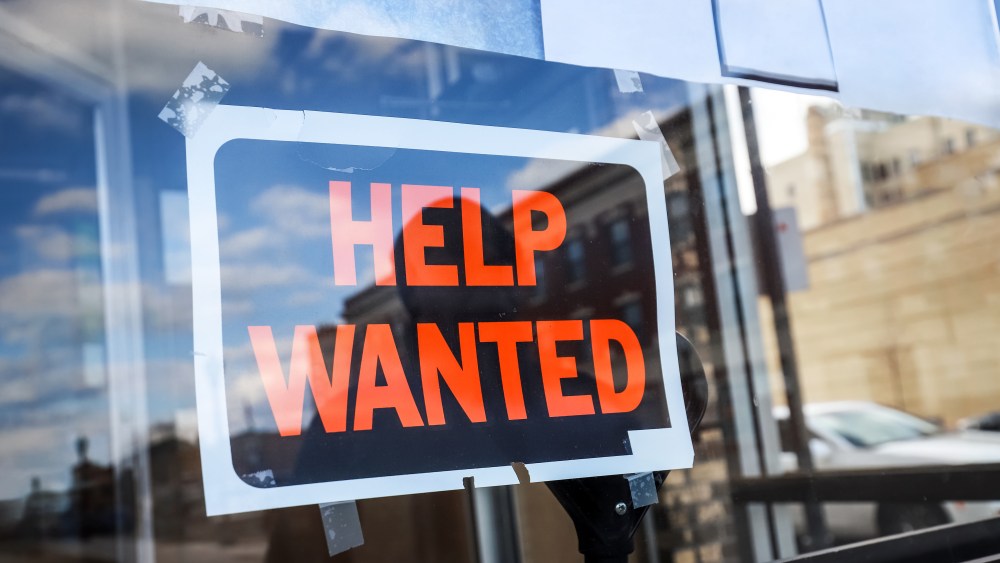
Outplacement firm Challenger, Gray & Christmas Inc. said retail seasonal hiring fell 9 percent from October 2020 and that seasonal transportation and warehousing hiring dropped 17 percent, according to an analysis of government data.
“Companies continue to have a difficult time attracting and retaining workers, particularly for in-person, shift positions,” said Andrew Challenger, senior vice president. “HR executives report people are leaving their jobs due to burnout and a desire for flexibility. But what they tend to offer is more money, which, while an attractive incentive, may not meet the needs of the candidates.”
Retail payrolls have yet to rebound from the pandemic, the firm noted, with a total number of workers at 15.5 million, down 103,000 from October 2019.
And as brands look to take advantage of a hot holiday season after a long hard patch, there are more signs that business is changing on the backend in ways that could stick.
A McKinsey & Co. survey of 38 chief procurement officers in North America and Europe, who collectively oversee $100 billion in sourcing volume, found that 75 percent of fashion companies see shipping disruptions as “the greatest threat to flexibility and speed.”
Accordingly, 71 percent of respondents said they were planning to boost nearshoring by 2025 while 25 percent are working to increase reshoring.
“The era of sourcing continuous cost improvement is being challenged as never before and there’s an increasing focus on other competing goals,” said Patricio Ibáñez, a partner at McKinsey and coauthor of the study. “Fifty percent of companies have already embarked on extensive transformations to increase sourcing speed and flexibility.”
In Europe, that means looking to Turkey where transportation can take three to six days instead of 30 days of travel time from southeast Asia, the consultancy said. And for the U.S. market, that puts the focus on Central America.
More from WWD:
Fashion’s Place in Inflation Nation
In Fashion: Johann the Intellectual Syncs With José the Technologist
Lulu’s Fashion Falls in Wall Street Debut