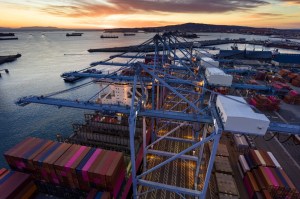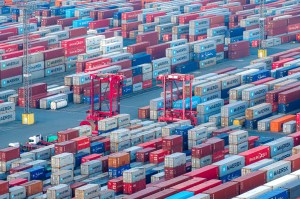
President Donald Trump took to Truth Social Wednesday to announce a trade deal with Vietnam, which includes a 20-percent tariff on the country’s exports to the U.S. market.
The president wrote that a conversation with the country’s general secretary, To Lam, led to the resolution, which includes a zeroing-out of duties for American-made goods imported into Vietnam. “It will be a Great Deal of Cooperation between our two Countries,” Trump wrote, noting that the U.S. will have “TOTAL ACCESS to their Markets for Trade.”
Related Stories
Notably, the deal also includes a 40 percent tariff on transshipments, meaning that goods originating in another country that are routed through Vietnam before being transported to the U.S. will face a higher duty rate.
Vietnam, which shares both a border and an integrated supply chain with China, imports many materials, components and inputs used for the creation of footwear and apparel. The country has also been fingered as a vehicle for the transshipment of finished goods from China as a means of circumventing trade barriers.
American Apparel and Footwear Association (AAFA) president and CEO Steve Lamar was optimistic about the terms of the deal, which will replace the 46-percent “reciprocal” tariff on Vietnam announced by Trump on April 2. Following a 90-day deferral period ending on July 9, those steep “Liberation Day” duties will go into effect for most U.S. trading partners—unless they can reach a consensus with U.S. trade officials swiftly.
“AAFA is pleased that further progress is being made on reciprocal trade deals, and we hope to see additional news in the coming days. With respect to Vietnam—the second largest supplier for footwear, apparel, and accessories sold into the U.S. market—we look forward to learning the details related to today’s news so that we, together with our members, can evaluate how well it will provide relief and certainty,” Lamar said.
“Is vital that the final terms of this deal, and any future deals, enable U.S. brands and retailers, and our 3.6 million American workers, to continue to be able to supply American consumers with affordable, responsibly made, ethically sourced, and authentic fashion,” he added.
Footwear firms have waited with bated breath for a trade truce with Vietnam, given that more than half of all athletic shoe imports originate in the country. Footwear Distributors and Retailers of America (FDRA) president and CEO Matt Priest said the nation is “essential to the U.S. footwear supply chain.”
Last year, the U.S. brought in a whopping 274 million pairs of shoes from Vietnam, a $10.6-billion value. Priest said the country is on track to become America’s largest footwear supplier in 2025, usurping China’s long-held title.
“Disrupting that pipeline with additional tariffs would hit American consumers and our industry hard,” he said, as many shoes (especially performance styles) already carry a 20-percent tariff burden.
“Piling new tariffs on top of that isn’t just unnecessary—it’s bad economics. The administration should acknowledge the steep footwear duties already in place and avoid adding more strain to American families and businesses,” Priest added.
Meanwhile, the president’s goodwill toward another nation appears to have dissipated.
Trump floated the idea of raising tariffs on Japan to between 30 percent and 35 percent amid difficult negotiations that have dragged on for weeks. The country’s reciprocal tariff rate was set at 14 percent on April 2, which would stack on top of the 10-percent universal baseline duties.
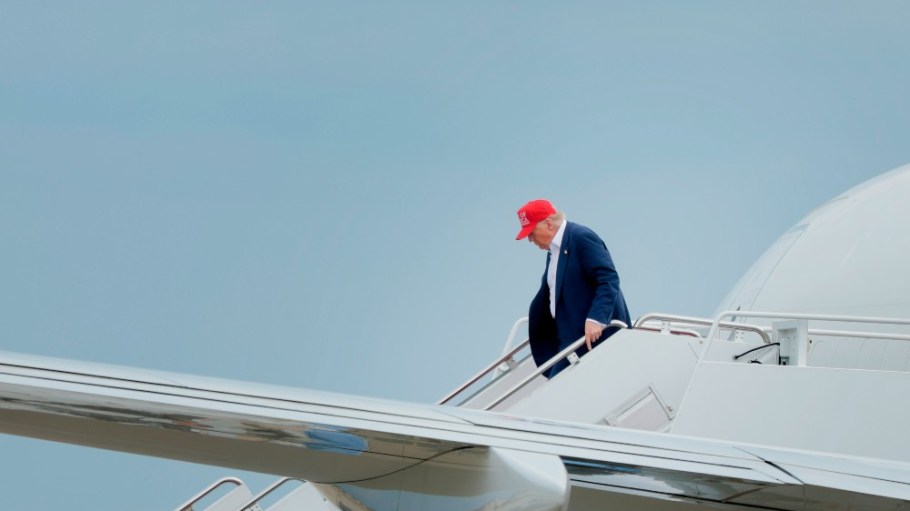
Despite saying Tokyo and Washington have enjoyed a “great relationship,” he also told reporters aboard Air Force One on Tuesday that Japan has “ripped us off for 30, 40 years,” with the chief complaint being that the country does not purchase enough American cars or rice.
Referring to Japan as “very tough” and “very spoiled,” the Commander in Chief expressed doubt that the partners could come to a deal. As he’s intimated before, Trump said he would send the country a letter setting its tariff rate at up to 35 percent or “whatever the number is that we determine.”
Those comments came on the heels of questions from reporters about a possible extension of the July 9 deadline. Trump reiterated that he would not extend the pause on duties.