The vast majority of Americans—on both sides (and the middle) of the political aisle—now believe that tariffs will raise prices on the goods they buy.
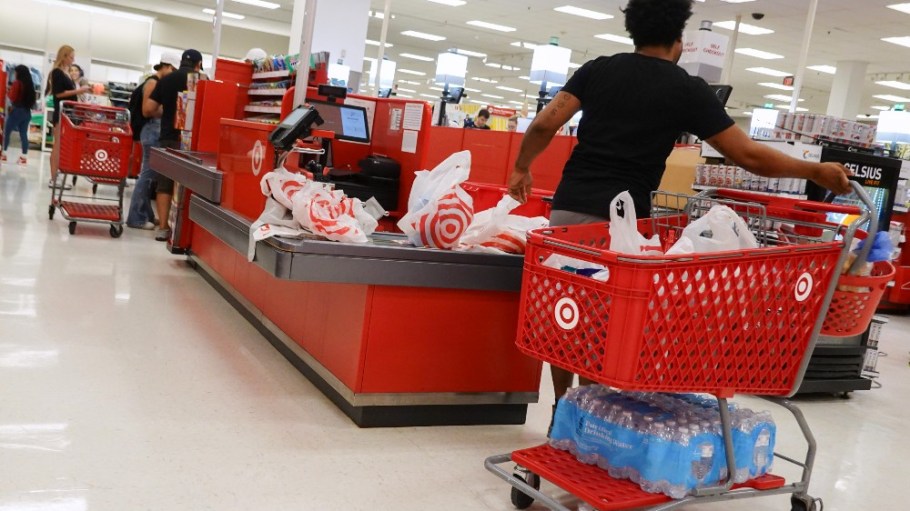
According to a newly released study from the Footwear Distributors and Retailers of America (FDRA), 82 percent of U.S. shoppers (including 89 percent of Democrats, 83 percent of independents and 76 percent of Republicans) believe President Donald Trump’s proposed tariffs will contribute to price hikes at popular stores like Walmart, Target, Costco and Amazon.
Related Stories
That line of thinking is largely shared from sea to shining sea; 87 percent of voters in the West, 83 percent of those in the Northeast, 82 percent of those in the South, and 79 percent of those in the Midwest agreed with the sentiment that the White House’s stated trade policy, which includes upping duties on nations across the globe, will heighten costs at retail.
According to FDRA CEO and president Matt Priest, the widespread and almost ubiquitous acknowledgement of tariffs’ role in price increases at U.S. retail was among the study’s most revealing elements. “No one now seems to think that China pays” for the tariffs, he explained, referring to the assertion Trump often made regarding Section 301 punitive duties levied in 2018 and 2019.
“That was messaging we heard during the first term, and we heard a little bit of it during the campaign, and some around the reciprocal tariff proposals. But the American people aren’t fools,” he said.
No matter what their level of education, most shoppers now view tariffs as a burden that will fall on their shoulders, Priest added. According to the study, 92 percent of those with postgraduate degrees think new duties will up prices on consumer goods, along with 84 percent of those whose highest degree is college, 79 percent of those with associate degrees, 74 percent of those with vocational degrees, and 80 percent of those with a high school degree or less.
“I think oftentimes in our society or our culture, there’s a default position that education level means intelligence, which means that the people with the higher degrees are the smarter ones when it comes to these kinds of economic issues,” the FDRA lead said. “The fact of the matter is, no matter how many degrees you have, you get it. This is intuitive, and you don’t have to have a bachelor’s in economics or doctorate in this to understand.”
With most Americans worrying that Trump’s trade policies could hit them squarely in the pocketbook, the majority (70 percent) of voters also think that the president’s top priority should be lowering the cost of groceries and everyday items, including 75 percent of Democrats, 72 percent of Republicans and 64 percent of independents.
In Priest’s estimation, the administration “has got to be pretty concerned about how all of this is playing out publicly.”
“There’s a disconnect, and I think the White House is losing the narrative right now as it relates to this issue, because consumers are concerned, and inflation is not going away,” he said. “The President has a mandate to tamp down inflation. He said it would go down on day one in office. It hasn’t. So, they’re at a crossroads. Do they continue down this road… which will drive up prices for consumers, or do they pump the brakes?”
Priest believes it’s unlikely that the administration will admit that its trade strategy was flawed, but he’s hopeful that there’s “an off ramp” that might allow Trump to “save face” while changing course on tariffs in the coming months.
“I think they started to tip their hand a couple weeks ago, when the President himself started saying, ‘Well, you could see price prices go up,’” he added. Meanwhile, this week, during an interview with Elon Musk and Fox News’ Sean Hannity, Trump admitted, “Inflation is back.”
Rather than turn a reflective eye toward his administration’s trade policy, the president blamed his predecessor for government spending that he said is having a current impact on rising inflation. “I had nothing to do with that,” he added.
There were some differences of opinion on tariffs as related to children’s shoes, per the FDRA survey. Under Trump’s proposed duties, kids’ footwear could face duty rates of up to 84 percent. Notably, only 67 percent of voters opposed these potential tariffs, while 33 percent said they supported them.
The opposition largely comes from the left and center; 85 percent of Democrats and 72 percent of independents said they disagree with high duties on children’s shoes. Meanwhile, the majority (55 percent) of Republicans are in favor of raising tariffs on kids’ footwear.
“Part of that is because the Republican Party as a whole, for the most part, at least right now, seems to trust the president’s strategy,” Priest explained. “So they’re either able to pay more for a product because they think it’s their patriotic duty, or they… think that paying more for products, like the 10 percent on China, for example, will stop the flow of fentanyl.”
It’s not just foreign trade partners that are wringing their hands over what the president may or may not do when Commerce Secretary Howard Lutnick turns over his research on America’s trade relationships and trade inequities to the White House on April 1. American firms, including footwear brands and retailers, are mulling what to do next.
“This is going to force companies to hedge their bets,” Priest said, noting that he has had “a lot of cost conversations lately” with FDRA members who are concerned about their future sourcing prospects and what increasing tariffs could do to their margins. “A lot of people were like, ‘We can’t absorb this,’” he added.
While Priest believes the economic hardship consumers are facing is the result of a confluence of factors, he’s sure that implementing new duties—especially reciprocal tariffs on trade partners across the board—will leave companies with little choice but to pass prices onto shoppers.
“You don’t have many levers as the president, but one of them is to not charge American companies more to bring a product into the country and help stem the tide of inflation,” he said. “The pure uncertainty that has been driven into the marketplace right now is in itself inflationary.”