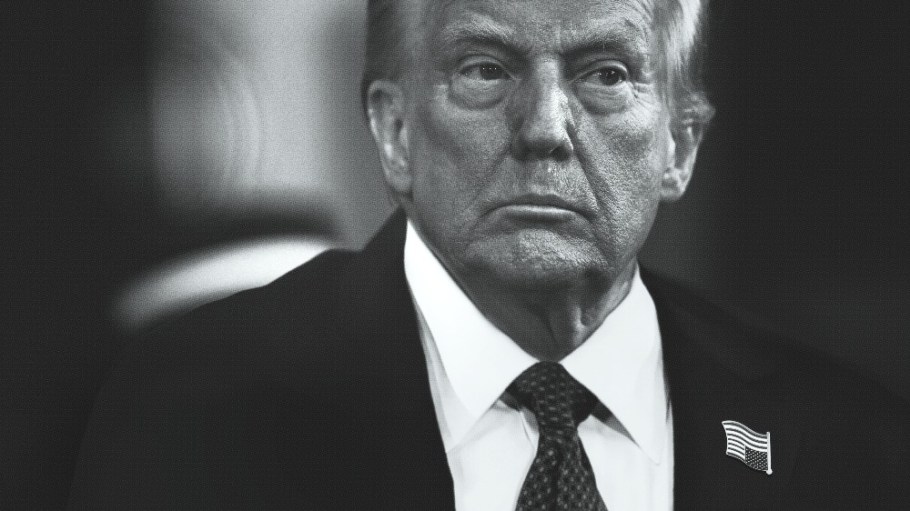
After a whirlwind week defined by trade tensions, President Donald Trump has walked back one of the most economically consequential elements of his tariff scheme—for now.
On Friday, Trump signed an executive order delaying the suspension of de minimis treatment for shipments originating in China. The president’s executive order earlier in the week, which levied 10-percent tariffs on China-made products, originally precluded any shipments subject to duties from utilizing the trade exception.
Related Stories
Now, duty-free treatment is once again available for China’s direct-to-consumer shipments worth $800 or less. According to the White House, de minimis “shall cease to be available for such articles upon notification by the Secretary of Commerce to the President that adequate systems are in place to fully and expediently process and collect tariff revenue…for covered articles otherwise eligible for de minimis treatment.”
The move likely has Chinese e-commerce firms like Shein and Temu breathing a sigh of relief. The de minimis trade rule, which was originally put in place to benefit American tourists bringing home merchandise from overseas travel for personal use, has become a central tenet of the e-tailers’ business models in recent years, propelling their stratospheric success in the U.S. market.
The sheer volume of de minimis shipments, which totaled about 1.36 billion in 2024, has overwhelmed U.S. Customs and Border Protection (CBP). But Trump’s plan to close the trade “loophole” through executive order may have ultimately created more headaches for enforcement officers and shoppers alike.
On Wednesday, CBP issued a Federal Register Notice saying that de minimis shipments would be subject to formal entry procedures—meaning that importers (in this case, end consumers) would need to file paperwork, pay a CBP bond, and pay a hefty processing fee of at least $32.71 to see their shipments released. On the flip side, CBP would need to sift through those documents for the relevant data and inspect each shipment to ensure its contents match the Harmonized Tariff Schedule (HTS) code.
The president did not share his reasoning for pausing China’s de minimis ban, but he may have been swayed by a meeting with FedEx chairman and founder Frederick W. Smith, who reportedly visited the White House on Thursday. Service providers like FedEx, USPS, DHL, UPS and the like are responsible for processing and delivering the estimated 4 million de minimis shipments that enter the U.S. each day.
While Smith has not commented on the meeting, comments from FedEx staff vice president of regulatory affairs Ralph Carter during an October Washington International Trade Association (WITA) webinar shone a light on the service provider’s views on de minimis reform.
“If we convert these millions of shipments from de minimis into formal or informal clearances, we’re going to have serious supply chain backups, because there simply aren’t the resources to manage that. So that’s going to affect all imports, not just imports of de minimis,” he said.
“Taking a hatchet to de minimis really only advances a protectionist trade agenda much more than it addresses the issues that it’s seeking to solve,” he added. “We think that we have more effective tools that we can use catch bad actors that don’t necessarily impose [higher] costs on us, consumers, businesses and supply chains.”