In the wake of weekend negotiations that saw a drastic lowering of reciprocal tariffs between China and the United States, the White House announced that it would slash duties on de minimis shipments from China by more than half.
The import tax on small parcels worth less than $800, previously set at a rate of 120 percent, has been amended to 54 percent. The change will go into effect on Wednesday. Meanwhile, a flat fee of $100 per parcel will remain in place, though a planned increase to $200 starting June 1 has been nixed.
Related Stories
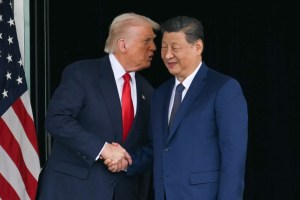
The news came within hours of the Trump administration’s announcement that China and the U.S. had come to a 90-day trade truce wherein triple-digit tariffs were reduced on both sides.
President Donald Trump has previously said that closing the de minimis “loophole” was an essential step in stemming the flow of illegal narcotics into the U.S. De minimis shipments have been used to “hide illicit substances and conceal the true contents of shipments sent to the United States through deceptive shipping practices,” he said during his April 2 “Liberation Day” tariff announcement.
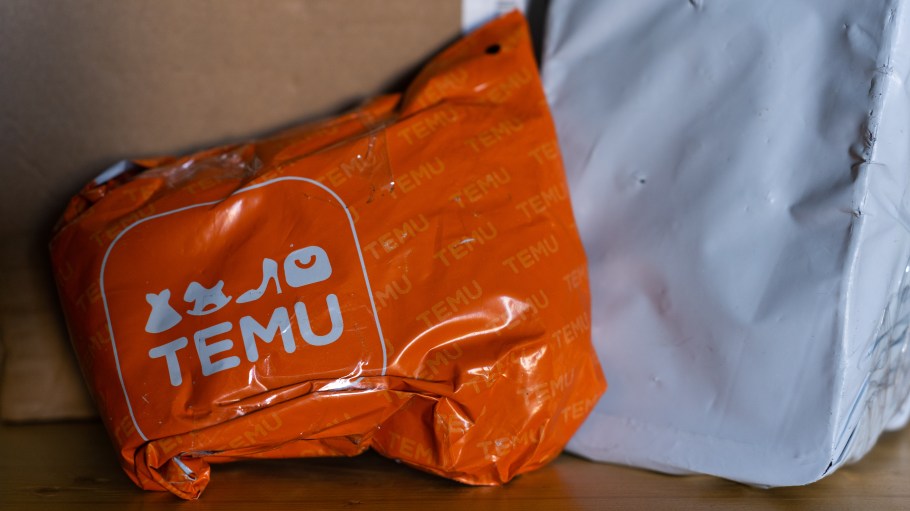
For shippers of impossibly cheap goods—$6 shirts, $12 dresses—that are seeking to utilize de minimis, the lowering of duty rates on individual parcels won’t be enough to keep prices stable. Both Shein and Temu, which have relied on the trade exemption as a lifeline to American shoppers, announced in April that they’d be “adjusting” prices as a result of the added tariff burden. Shein shoppers on Reddit reported that they’ve already seen MSRPs creeping upward exponentially while experiencing delayed deliveries due to Customs processing.
The president’s previous de minimis edicts (the first attempt at eradicating the exception was made in February and canceled within days) had e-commerce titans like Temu and Shein scrambling for workarounds, like bonded warehouses in the U.S. where product can be stored duty-free until it’s purchased by end consumers. The three-month pause on tariffs may afford such firms the opportunity to stock up on inventory stored in the U.S.
The changes to de minimis have also saddled Customs and Border Protection (CBP) with considerable new responsibility. With 4 million packages a day passing through American gateways using the de minimis exception, and around half of those shipments hailing from China, CBP is now contending with a much more intensive entry process for small shipments than it’s been accustomed to.
Most packages that would have utilized de minimis are now subject to Type 11 informal entry, which requires that their contents are specified using a 10-digit HTSUS code. Most shippers that have utilized de minimis aren’t versed in identifying or communicating this information. Shipments worth $2,500 or less are now subject to more rigorous examination, including more data requirements that help Customs determine the appropriate duty rate.