With an eye toward finalizing trade agreements ahead of its self-imposed July 9 deadline, the White House is pushing global trade partners to submit their most attractive offers to the U.S. by Wednesday.
According to a draft of a U.S. Trade Representative (USTR) letter viewed by Reuters, the Trump administration is seeking to expedite the closure of deals with a number of countries.
Within the document, presumably to be sent to foreign trade officials, the administration asked for proposals related to the lowering of tariffs and non-tariff trade barriers along with quotas for the purchase of U.S. goods like agricultural and industrial products. It also asked for details about other commitments countries might make related to digital commerce and economic security.
Related Stories
The outlet reported that the USTR wrote that it would evaluate responses with the intent of creating “a possible landing zone” for negotiations which could include a new rate for reciprocal duties.
In the weeks since President Donald Trump’s April 2 “Liberation Day” announcements and the subsequent deferral of so-called “reciprocal” duties, cabinet officials have touted progress in trade negotiations between the U.S. and dozens of trading partners. While talks have been in progress with Vietnam, India, Japan and the European Union, only one deal—which can be more accurately described as a framework for an agreement—has been finalized with the United Kingdom.
The ambitious June 4 request for proposals underscores a sense of urgency within the administration. Just five weeks remain until Trump’s reciprocal duties, which were deferred for a period of three months on April 9, will resume, blanketing imports from across the globe in double-digit duties.
Since the White House’s tariff schemes were unveiled, they’ve thrown markets into tumult and shaken up global sourcing and supply chains.
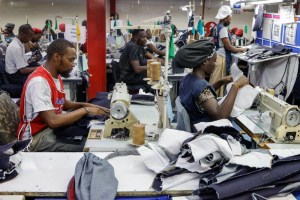
According to a Monday report from the South China Morning Post, U.S. retailers and big box stores like Walmart have been pushing their suppliers in China to take on more of the tariff burden that’s been foisted upon them—some demanding that their overseas partners pay up to 66 percent of the added duties. After Walmart’s chief executive spoke out about the impact the tariffs might have on prices at retail during an earnings call last month, Trump directed the retailer to “eat the tariffs” rather than pass along the cost to consumers.
Trade talks with China have all but “stalled,” according to administration officials. In recent days, both China and the U.S. have accused the other of undermining negotiations following the establishment of a three-month trade truce last month.
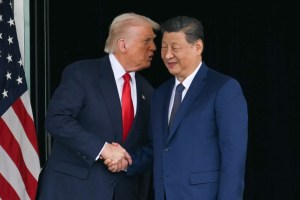
While tensions between the two countries are running high, White House press secretary Karoline Leavitt said Monday that Trump and Chinese President Xi Jinping would likely speak sometime this week. And over the weekend, the USTR quietly released a Federal Register notice announcing extensions of certain existing tariff exclusions from Section 301 duties until Aug. 31.
The notice said that a three-month extension would be granted on 164 exclusions that were extended in May of last year, along with 14 exclusions that were established in September. The products covered by the exclusions include mostly solar manufacturing equipment, technology and electronics, and some Covid-related goods.
“The US Trade Representative’s decision to extend these exclusions takes into account public comments previously provided, previous advice of the advisory committees, and the interagency Section 301 Committee,” the notice said.