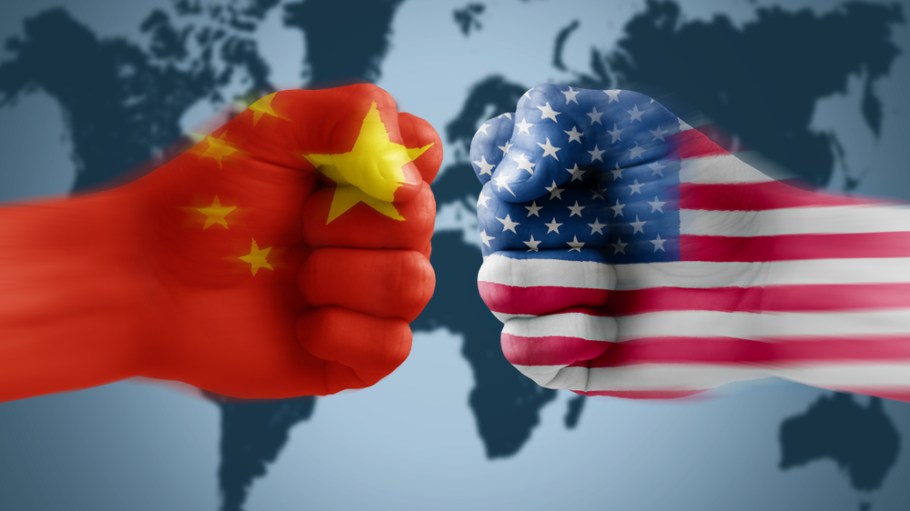
U.S. apparel and footwear firms face negative exposure if President Trump follows through on threats to impose tariffs on all goods imported from China.
A new Moody’s report analyzing the impact of tariffs in markets and on companies said the negative effects on U.S. apparel and footwear companies will vary, with consumers bearing some of the higher costs. The report noted that the most recent round of tariffs mostly excludes apparel and footwear, but does include certain apparel accessories such as handbags and leather gloves, textiles and yarns, leathers and cotton.
“Large, rated apparel manufacturers derive more than half of their revenue from the US; therefore, these additional tariffs, if imposed, would be credit negative for the US apparel & footwear sector because of the higher cost of goods sold for the US divisions of companies that import goods from China,” report stated, adding the impact of the new tariffs will vary by company. The effect will depend on “how much they source products from China, the degree they can diversify away from China, their pricing flexibility and how they adjust product designs or cut costs elsewhere in their businesses.”
For example, it noted that G-III Apparel Group generated around 88 percent of its 2017 revenue in the U.S and purchased around 65 percent of its 2017 inventory from China. Other companies that could be set to take a hit include footwear companies Caleres Inc., Payless Inc. and Wolverine World Wide. On the other hand, Levi Strauss & Co. and V.F. Corp, “are well positioned from a diversity standpoint, with less than 20 percent of their products sourced from China, “Moody’s said.
Related Stories
Most companies will look to pass along at least some of the additional cost to consumers, including on premium products where there is less price sensitivity, the report noted. Larger companies with stronger margins and balance sheets, such as Wolverine and PVH Corp., “could decide to absorb higher costs in an effort to gain market share,” the report said. In addition, some firms will try to save on costs by adjusting product designs to achieve a cost or product pricing level or could cut costs within their organizations.
“Smaller apparel companies with high leverage or low profit, or both, could have particular exposure if their earnings decline relative to debt service costs or if they experience any disruptions in their supply chains – for instance reduced vendor or factor support or ill-timed shipment delays,” Moody’s added.