South Korea is the latest American trading partner to come under fire from the Trump administration for allegedly failing to live up to a trade and investment agreement made last July. Now, the country is working with haste to mitigate the fallout of a threat of heightened duties.
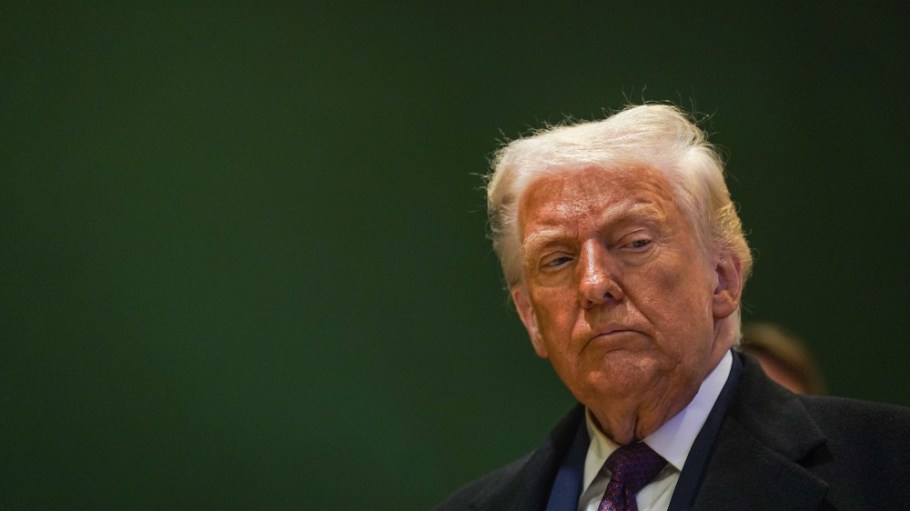
President Donald Trump took to Truth Social to declare that he aims to increase taxes on South Korean lumber, pharmaceuticals and automobiles—along with all other “reciprocal” tariffs levied in 2025—from 15 percent to 25 percent.
Related Stories
“South Korea‘s Legislature is not living up to its Deal with the United States. President Lee and I reached a Great Deal for both Countries on July 30, 2025, and we reaffirmed these terms while I was in Korea on October 29, 2025. Why hasn’t the Korean Legislature approved it?” Trump wrote.
The central tenet of the agreement was the creation of a $350 billion investment fund by South Korea for U.S. industry and infrastructure projects. A $150 billion cash commitment was flagged for a revitalization of America’s stagnating shipbuilding industry, but the overall structure of the deal was the subject of intense debate.
South Korea ultimately vowed to funnel $200 billion of the $350 billion overall commitment into U.S. projects in installments of up to $20 billion annually. South Korean Finance Minister Koo-Yun-cheol told Reuters earlier this month that the country’s government aimed to move forward with the payments soon, but a potential Supreme Court ruling on the International Emergency Economic Powers Act (IEEPA) tariffs could complicate the timeline.
He also said the weakness of the Korean won—which has descended to its lowest level since the Great Recession era of 2007 to 2009—could delay the investment past the first half of the year.
“Tariff increases require administrative procedures such as publication in the Federal Register to take effect,” Korean presidential spokesperson Kang Yu-jung said in a written briefing on Tuesday. Korean officials said they plan to respond calmly to the threat, as they have not received a formal notice of the tariff increase from the Trump administration.
According to South Korean media outlet Yonhap, the Truth Social announcement prompted a flurry of confusion and consternation in Seoul, and South Korean Industry Minister Kim Jung-kwan, who was in Canada on business, has been hurried to Washington, D.C. to meet with Commerce Secretary Howard Lutnick.
South Korea’s ruling Democratic Party said Tuesday that it plans to pass a special act on the U.S. trade deal by the end of February. The party’s spokesperson, Kim Hyun-jung, clarified that the Special Act on Strategic Investment Management between Korea and the U.S.—a bill that will institute a state-run investment corporation to manage the U.S. investment—was likely the topic of Trump’s Truth when he referenced the “Korean Legislature.”
Kim said five bills related to the topic have been submitted to the National Assembly and are on the schedule to be reviewed, according to Yonhap. He expressed confidence that they would be passed expeditiously given that both the Democratic Party and the People Power Party have proposed the bills.