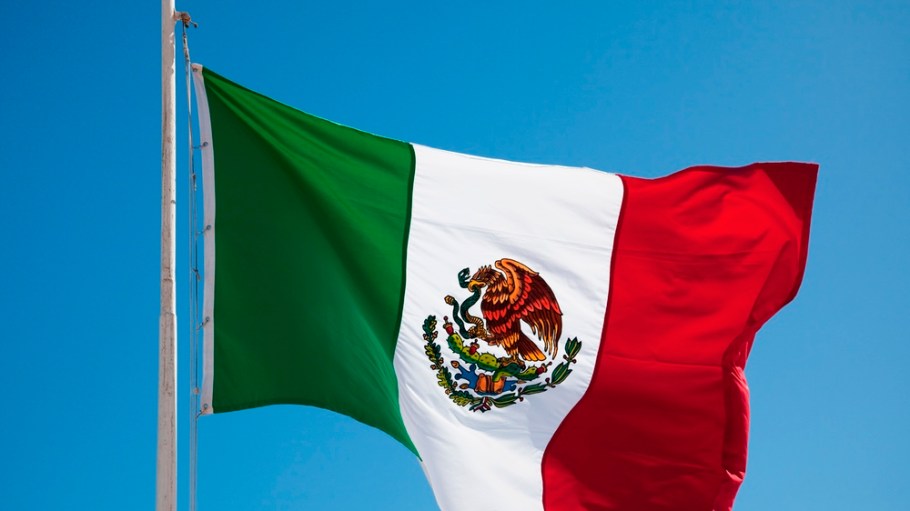
Mexico has changed its strategy toward low-value shipments.
The country has raised its duties for low-value shipments inbound from most countries. The new duty, which sits at 33.5 percent—as compared with the previous rate of 19 percent—applies to shipments valued at $2,500 or less, per Mexico News Now.
The increased rate applies to countries which have no standing trade agreement with Mexico, like China; Canada and the U.S., which do have a trade agreement with their neighbor to the South, have a different rule. Items inbound to Mexico from the U.S. will be subject to a 17 percent duty, if the cost of the shipment sits between $50 and $117. Items worth less than $50 will stay duty free and items above $117 will be subject to the 19 percent duty.
Related Stories
A reform detailing the change posted to the Mexican government website said the change will take effect August 15.
Upping the duty rate on low-value parcels is likely to impact low-cost e-commerce players, like Shein and Temu, both of which have already seen significant changes to their ability to operate without duties in the U.S. market because of the collapse of the de minimis exemption.
Ram Ben Tzion, CEO of Ultra Information Solutions, said that as the U.S. and others reevaluate their approaches toward low-value shipments, Shein, Temu and others will need to change their business strategies. Ben Tzion said Temu, in particular, could see some struggles; the company operates as a marketplace, so its sellers could be hit with—or pass on to their consumers—the burden of paying extra to account for duties in different locales. Shein, contrastingly, sells its own fast-fashion products and boasts a marketplace where others can sell their products.
“These two players, as well as others, will need to revisit their value proposition and what their business model is. With Shein, I would expect it to go back to fast fashion. With Temu, I doubt they have a viable business case,” he explained.
Mexican consumers may begin to see price hikes on goods from their favorite marketplaces; Ben Tzion said that may drive some people away, pushing them toward brand names with some level of affordability to replace consumers’ fast-fashion urges.
“I would expect to see people be more aware, not just of the price, but of the origin of the product. Therefore, more consumption will move from the big e-commerce marketplaces to direct sourcing of e-commerce, or online shopping from the end brand that you’re after,” he said. “Branded goods will now have more value than the non-branded items that Temu and Shein have offered.”
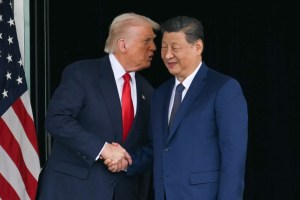
Some have suggested that Mexico’s work to curtail the flow of low-cost goods from China could be a play to placate the U.S. government, particularly as President Donald Trump continues negotiating on tariffs with several countries, including Mexico. Ben Tzion said in actuality, he believes Mexico’s government is actually working to stimulate its own economy.
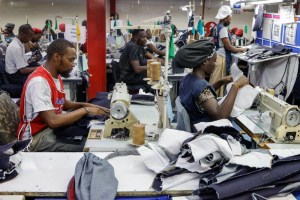
He pointed to the fact that President Claudia Sheinbaum’s administration declared a temporary tariff on fashion and apparel items, good through 2026, in an effort to pump life into Mexico’s manufacturers as one such example of that strategy and said he believes the increased duty on low-cost goods is the next step forward.
“Over the last several months, the Mexican government and Mexican customs leadership have shown to be very agile in adapting to the new world order of tariffs. While many times, we think of this as a reaction or as a measure to appease the U.S. government to avoid duties, it’s actually about preserving Mexican economic interest and value,” Ben Tzion said.
Ben Tzion said that if Mexico had not chosen to up the duty, it would have been even more likely to see an influx of low-value goods shipped into the country, then shipped to other destinations—primarily the U.S.—by using advantageous tariff rates, despite the U.S.’s increasingly guarded position on transshipping. By making it less interesting to ship low-cost goods into Mexico, the government is likely lightening the load on customs and ensuring that it keeps transactions in the country.
“It’s a way to ensure that they don’t become a proxy to bypassing de minimis regulation and that they sustain value in the country,” he said. “It’s important to look at Mexico as Mexico first. We’re always seeing how countries react or respond to [Trump’s] America First trade policy. They are perhaps a very good example of how a solid strategy and a lot of professional work can adapt quickly and effectively to the new world of global trade.”
He expects that, with some work, other countries might adopt a similar approach. Rather than allowing e-commerce players to capitalize on existing trade loopholes and exemptions, global countries may instead choose to tighten up their compliance guardrails.
Ben Tzion said Asian markets that have a vested interest in pushing consumers toward goods made in their own countries, rather than seeing them buy from China, may soon change their duties and regulations. He called the European Union, which earlier this year proposed regulations that would see a per-parcel flat tax on such imports because of the economic impact of companies like Shein and Temu, “in desperate need to take action, but not very quick to adapt.”
Nonetheless, he expects to see changes coming from all sides in the coming months and years, particularly as U.S. trade positions continue shifting.
“As a whole, the understanding that e-commerce cannot remain a vacant space where no enforcement, no compliance and no tariffs are applied is going to become a global standard, because e-commerce has become a significant part of every country’s trade activities,” Ben Tzion told Sourcing Journal.