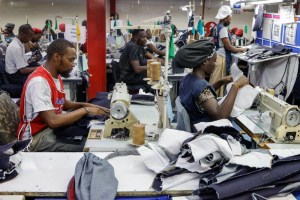
After setting import quotas on China-made footwear products and introducing new limitations to its IMMEX program last week, Mexico’s government has proposed raising tariffs on $52 billion in textiles, apparel, footwear, furniture, vehicles and electronics.
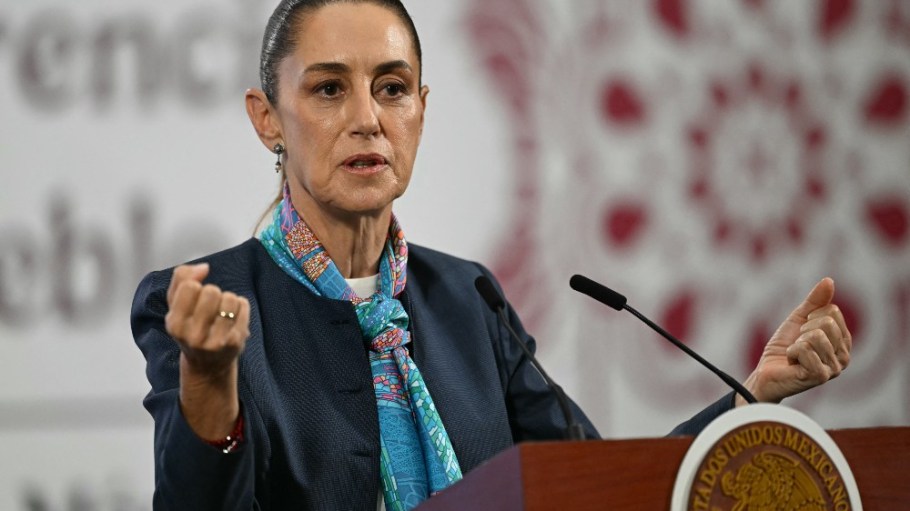
Tariffs between 10 percent and 50 percent could be levied on 1,371 product categories from Asia under President Claudia Sheinbaum’s 2026 budget proposal, which was sent to the Chamber of Deputies this week. Sheinbaum’s Morena party, along with allies, control both houses of Mexico’s Congress, so the plan’s passage is considered a foregone conclusion.
Related Stories
While the tariffs wouldn’t just impact China, the Asian sourcing superpower is expected to face the brunt of the duty burden. Economy Secretary Marcelo Ebrard said the tariffs would apply to countries that don’t have free trade agreements with Mexico, impacting 8.6 percent of its total imports.
According to data from the Council on Foreign Relations, Chinese imports into Mexico have nearly doubled over the past 10 years to $130 billion. Meanwhile, Mexico exports under $10 billion to China, leading to a whopping trade deficit that Sheinbaum has decided must be rectified.
The two countries share a complicated relationship when it comes to trade and investment, however. In recent years, Chinese firms have invested heavily in manufacturing and logistics infrastructure development in Mexico as a means of bringing production closer to their intended end market: the United States.
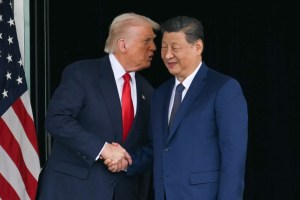
The U.S.-Mexico-Canada Agreement (USMCA) allows trilateral duty-free trade between the North American nations, and has allowed China-based entities that establish operations on Mexican soil to take advantage of those benefits—a circumstance President Donald Trump has repeatedly bemoaned. The Commander in Chief has characterized Mexico as a backdoor for illicit goods and drugs, like fentanyl, which are made with chemical precursors often imported from Asia.
With negotiations between Trump and Sheinbaum ongoing—30 percent duties on Mexican imports, originally due to take effect on Aug. 1, were tabled for 90 days while the two work on a deal—Mexico’s government is likely looking not only to rectify its own trade imbalance with China, but to curry favor with Washington.
China, for its part, isn’t taking kindly to the tariff threats.
“We will firmly protect our rights and interests in light of the developments of the situation,” China Foreign Ministry Spokesperson Lin Jian said Thursday.
“China and Mexico are important members of the Global South and our economic and trade cooperation is win-win in nature,” he added. “China attaches great importance to its relations with Mexico and hopes that Mexico will work with China to jointly advance world economic recovery and the development of global trade.”