Importers are waiting with bated breath as the clock runs down on the 90-day tariff truce between Washington and Beijing.
Slated to expire Tuesday, the bilateral pause on duties could be extended, and some administration officials have hinted that outcome is likely. But should United States and China trade officials fail to solidify new terms, tariffs on China-originating products will escalate sharply overnight.
President Donald Trump’s most pointed threat against China took place in April, when a trade spat with Chinese officials resulted in a ping-ponging escalation of duties that saw the American Commander in Chief raise tariffs to 145 percent. Shortly after, a three-month cooling-off period was instituted wherein those duties were reduced to 30 percent. In return, China drew down its own tariffs on U.S. goods to 10 percent and agreed to pull down trade barriers and access to rare earth minerals.
Related Stories
But as the weeks of negotiations have worn on, officials have been unable to reach a lasting consensus.
A meeting in Stockholm between China’s foremost trade authorities and Trump cabinet members including Treasury Secretary Scott Bessent and U.S. Trade Representative (USTR) Ambassador Jamieson Greer late last month came and went without a formalized plan for the future of the trade relationship. At the time, Greer hinted that a “potential pause” on tariffs was being discussed (though he also said tariffs on Chinese imports could boomerang back to a higher rate of 80 percent in the absence of an agreement). Bessent appeared more optimistic, calling the talks “very productive.”
On July 30, Trump also expressed confidence that an agreement could be reached, saying, “I think we’re going to have a very fair deal with China.”
But there are some prominent sticking points appear to have hindered progress. For one, Trump has repeatedly criticized China and other BRICS Alliance nations for what he perceives as the formation of an anti-U.S. trade clique intent on dismantling the dollar’s influence.
Meanwhile, U.S. officials including the president have warned China’s government to stop purchasing Russian oil as the country’s assault on Ukraine rages on. Last week, Trump saying he’d stack 25-percent duties on India‘s already steep 25-percent tariff rate over its Russian oil purchases.
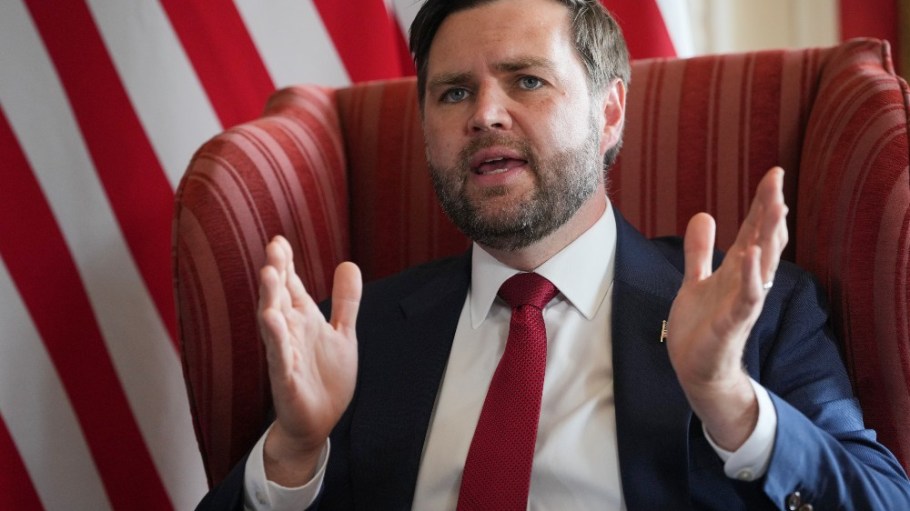
On Sunday, Vice President JD Vance confirmed to Fox News that Trump is considering penalizing China in a similar fashion if it doesn’t divest from Russia financially. “The president said he’s thinking about it, but he hasn’t made any firm decisions,” he said.
Vance called the relationship with China “complicated,” explaining that America’s trade relationship with the country “affects a lot of other things that have nothing to do with the Russian situation.”
“So the president’s reviewing his options and, of course, going to make that decision when he decides,” he added.
The president also remains focused on shrinking China’s sizable trade surplus with the U.S., the original factor that prompted his decision to levy duties. On Monday, he Truthed, “I hope China will quickly quadruple its soybean orders” from U.S. farmers, noting that the country is facing a shortage. “This is also a way of substantially reducing China’s Trade Deficit with the USA. Rapid service will be provided,” he wrote.
Asked by reporters Monday afternoon about the state of negotiations, Trump invoked a familiar catchphrase. “We’ll see what happens,” he said.
“We’ve been dealing very nicely with China. As you probably have heard, they have tremendous tariffs that they’re paying to the United States of America,” he told reporters. “The relationship is very good with President with President Xi and myself.”