A burgeoning friendship between former rivals is threatening to drive a wedge between the United States and one of its most prominent trading partners.
China and India have lately made inroads in their historically icy relationship by commiserating over steep, double-digit duties leveled on both countries by the U.S.
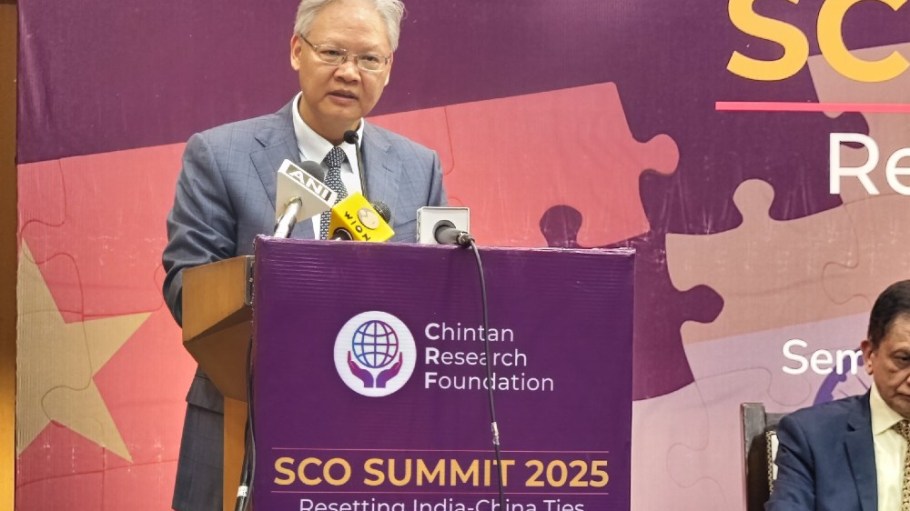
More supportive rhetoric came from China’s side this week. On Thursday, China’s Ambassador to India, Xu Feihong, decried Washington’s tariff regime, saying the U.S. is brandishing duties as a “bargaining chip” in order to demand “exorbitant prices” from other countries.
Related Stories
“The U.S. has imposed tariffs of up to 50 percent on India and even threatened for more. China firmly opposes it,” Xu said during an event in New Delhi preceding the 2025 Shanghai Cooperation Organisation (SCO) Summit aptly titled “Resetting China-India Ties.”
“Silence only emboldens the bully,” Xu added.
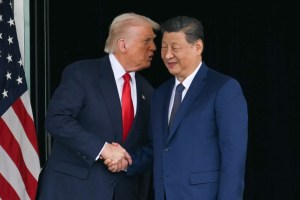
In a shocking move earlier this month, President Donald Trump imposed a 25 percent penalty tariff on India that will stack upon an existing 25 percent “reciprocal” tariff—a punishment for purchasing Russian oil, he said. The new rate will take effect on Aug. 27.
Earlier this week, Chinese Foreign Minister Wang Yi visited New Delhi for the first visit of its kind in five years, pointing to a thawing of tensions that ratcheted up in 2020 over a clash between the countries over control of border territory. Indian Foreign Minister S. Jaishankar indicated that the country is ready to move on from the difficulties of the past, while Wang said he aimed to see the adversarial relationship replaced by a partnership.
Indian Prime Minister Narendra Modi is gearing up to continue such talks when he attends the SCO Summit in Tianjin on Aug. 31.
Modi is also scheduled to visit Japan in the days leading up to the event after receiving invitation from Japanese Prime Minister Shigeru Ishiba. According to a report from the Times of India, the leaders are expected to review the India-Japan Special Strategic and Global Partnership, and discuss matters related to trade, the economy, technology, defense and innovation.
While India is making no secret of its intention to cozy up to Asian trade partners (and defending its continued purchasing of Russian oil), it is also attempting a tight-rope walk in not alienating the U.S., which represents its biggest export market (Indian exports to the U.S. last year totaled more than $80 billion).
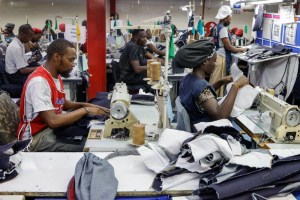
On Monday, the country’s government announced that it would suspend import duties on cotton products for about six weeks in a bid to grant relief to the country’s apparel and textile producers, which are facing depletions in revenue due to the U.S. tariff rollout.
The two-birds-with-one-stone move will also benefit U.S. agricultural exports, as America is India’s biggest foreign cotton supplier.