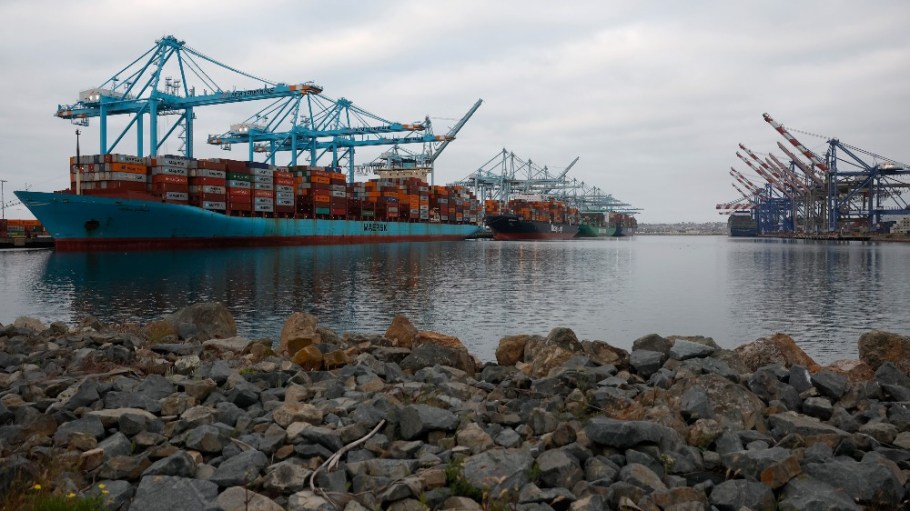
The Port of Los Angeles will comply with an order from a U.S. District Court judge to remediate environmental impacts stemming from the discharge of hazardous waste that has allegedly caused widespread contamination in the L.A. Harbor.
The ruling stems from a lawsuit filed by Environment California against the City of Los Angeles, which alleged that the country’s busiest port violated the federal Clean Water Act by letting untreated wastewater containing toxic copper and fecal bacteria pollute the harbor within San Pedro Bay since 2019.
Related Stories
Filed last July, the suit said that more than 2,000 illegal discharges had taken place within the course of the previous five years, stemming from stormwater and contaminated groundwater that collects within a 53-acre area of the Port. Now, the Port will be required to ameliorate the issue by changing its management of stormwater and groundwater.
The court’s ruling states that the city will have to treat the water to remove toxic pollutants by redirecting it to the Terminal Island Water Reclamation Plant. Specific performance metrics must be achieved or the Port will face monetary penalties.
Also under the settlement, the Port will be required to shell out $1.3 million to the Rose Foundation for Communities and the Environment for use in restoration projects tied to the L.A. Harbor and San Pedro Bay, with most of the money earmarked for a project designed to remove waste. The Port is mandated to pay a $130,00 civil penalty to the U.S. Treasury as well.
“Californians count on having a clean, vibrant coastline, but that’s not compatible with contaminated effluent that can lap up on our world-renowned shores,” said Laura Deehan, Environment California’s state director. “This settlement is a great step toward a cleaner, safer San Pedro Bay, and it demonstrates the vital role that citizen lawsuits play in the enforcement of our federal environmental laws.”
According to Deehan, the settlement has a “double benefit” for the L.A. Harbor, namely that it will end the Port’s discharge violations and also provide funding to remove waste.
The National Environmental Law Center’s staff attorney, Lewis DeHope, said the settlement “promises to finally put an end to the Port’s long-standing violations that have plagued the harbor for years,” adding that, “Bacteria and copper are out; effective treatment is in.”