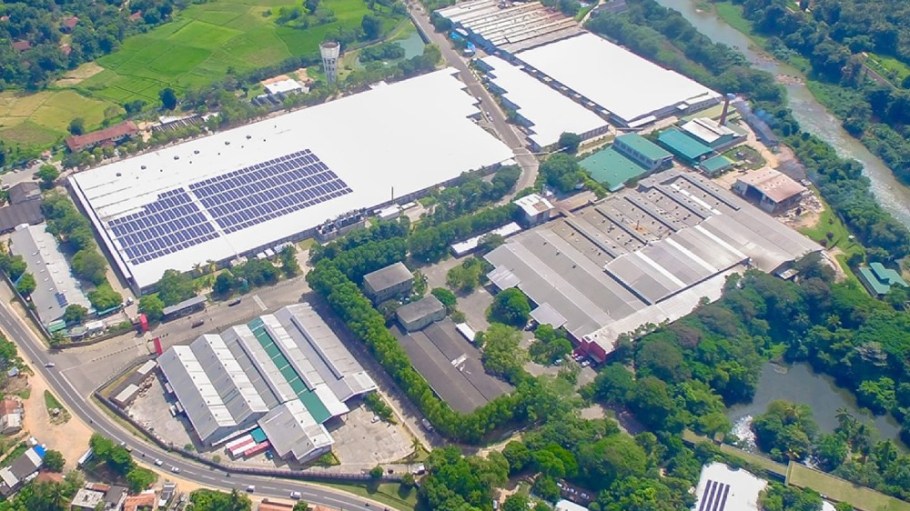
MAS Holdings has secured sanction for science-based climate targets.
Following the validation of its net-zero and near-term targets by the Science Based Targets initiative (SBTi), the Sri Lankan conglomerate announced its commitment to reducing the total global greenhouse gas (GHG) emissions to net-zero by 2048. The Lululemon and LVMH partner will use these validations to push forward the MAS Plan for Change, its sustainability group-wide strategy aimed at redefining how the apparel industry addresses climate action.
Related Stories
The SBTi approval confirms that MAS Holdings’ targets align with the SBTi Corporate Net-Zero Standard, the design-to-delivery solution provider said. The approved climate action targets—including land-related emissions and removals from bioenergy feedstocks—are in accordance with SBTi guidance and encompass the company’s global apparel businesses.
“Today’s climate disruptions remind us that our ability to thrive tomorrow depends on how boldly we act now,” said Suren Fernando, CEO of MAS Holdings. “The approval of our net-zero and near-term goals by SBTi is pivotal to our climate journey and an affirmation of the real action we are taking to protect the planet while safeguarding our business and the livelihoods within our ecosystem.”
Near-term targets include reducing absolute Scope 1 and Scope 2 GHG emissions by 80 percent by 2030 from 2019 levels, as well as reducing absolute Scope 3 by 46.2 percent. The latter near-term target looks to drop GHG emissions from purchasing goods and services, upstream transportation and distribution, business travel, employee commuting, downstream transportation and distribution, processing of sold products and investments within the same timeframe. By 2040, Scope 1 and 2 emissions are to be reduced by 90 percent, with Scope 3 emissions following suit in 2048.
The MAS Plan for Change sets goals across three focus areas—product, lives and planet—to reimagine product design, bolster social impact and reduce environmental footprint.
As a climate action organization, the SBTi’s goal is to enable businesses to set ambitious emissions reduction targets according to the latest climate science. The collaboration—comprising Carbon Disclosure Project (CDP), the United Nations Global Compact, the We Mean Business Coalition, the World Resources Institute (WRI), and the World Wide Fund for Nature (WWF)—pushes companies globally to halve emissions by 2030 and achieve net-zero emissions before 2050.