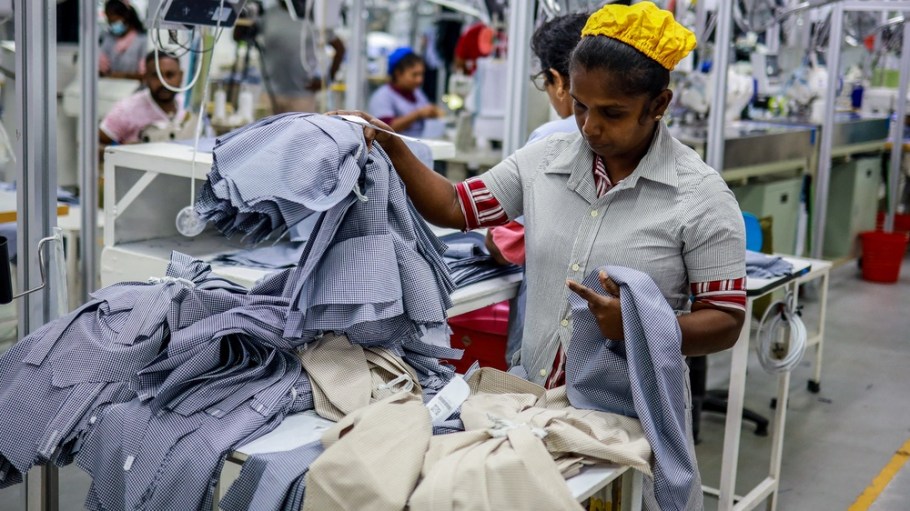
MAS Holdings, South Asia’s largest apparel-tech manufacturer, is shuttering one of its Sri Lankan factories—affecting 2,200 workers—as it seeks to “strategically pivot” away from primarily cut-and-sew production toward expanded knitting, dyeing and finishing, the company told Sourcing Journal this week.
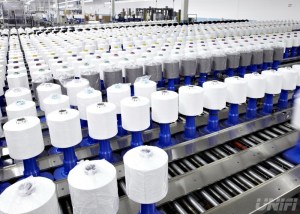
The sprawling enterprise, which runs 53 manufacturing facilities across 17 countries, including its native Sri Lanka, plans to repurpose its Methliya plant in the Sabaragamuwa Province village of Thulhiriya to boost its fabric manufacturing capabilities, enhancing the verticality of its supply chain to better protect it from geoeconomic gyrations.
Related Stories
MAS Holdings, whose clients include boldface brands such as Calvin Klein, Victoria’s Secret, Marks & Spencer and Patagonia, said the factory’s location in MAS Park, Sri Lanka’s first privately owned apparel-intensive free trade zone, makes it well suited for upstream production because of existing wet-processing infrastructure.
“This transition is part of MAS’ ongoing efforts to optimize operations and ensure long-term stability, in line with evolving business needs and market conditions,” a spokesperson said. “Production capacity from Methliya will be reallocated to other MAS facilities in Sri Lanka.”
All 2,200 employees at the facility have been offered opportunities to transfer to other MAS factories in Sri Lanka or abroad, MAS Holdings said. Workers who decline these placements and choose to resign will receive above-minimum compensation plus full payment of all dues, including annual bonuses, the company added.
While MAS Holdings dismissed reports of further closures to shift more of its supply chain to India, where electricity costs are lower, labor rights groups say the work stoppage nevertheless exposes the “harsh reality of global supply chains.”
“When a major supplier to the world’s richest and most powerful brands shuts down, it is workers who pay the price—losing their jobs, their wages and their dignity,” Abiramy Sivalogananthan, regional coordinator for South Asia at the Asia Floor Wage Alliance, told Sourcing Journal. “Sri Lankan garment workers built this industry with their labor, yet they are treated as disposable when profits shift.”
The apparel industry is a pillar of Sri Lanka’s economy, accounting for 44 percent of total exports and providing about 33 percent of its manufacturing employment. The country’s apparel exports grew by a modest 5.4 percent year over year in the first 11 months of 2025 to nearly $4.6 billion—a sign of resilience, said the Joint Apparel Association Forum, Sri Lanka’s leading manufacturing trade group, despite a challenging global environment that included inflationary pressures and reduced consumer spending.
“Particularly encouraging is our 13 percent growth in the European Union market, which demonstrates the success of our strategic focus on strengthening relationships with EU buyers and meeting their increasingly stringent sustainability and compliance requirements,” JAAF said in a statement. “Similarly, our continued growth in the U.S. market, despite tighter margins, shows that Sri Lankan manufacturers remain competitive on quality, delivery and ethical manufacturing standards.”
Differences in regional U.S. tariffs—18 percent in India, 19 percent in Bangladesh and Pakistan, versus 20 percent in Sri Lanka—have also been rendered moot by the Supreme Court’s striking down of the White House’s so-called “reciprocal” levies under an emergency powers act. For now, all countries face a temporary 10 percent tariff—which could rise to 15 percent—under Section 122, a provision authorizing short-term import duties to address “fundamental international payments problems.”
Sri Lanka’s apparel sector is forecast to generate $5.5 billion in export revenue this year, buoyed by enhanced duty-free access to the U.K. market through the Developing Countries Trading Scheme that took effect this year.
For now, MAS Holdings says maintaining operational stability and delivering customer orders reliably remain “key priorities.”
“This process is being carried out in compliance with Sri Lankan labor laws and regulatory requirements, with the necessary approvals and employee engagement processes in place,” the spokesperson said of the Methliya plant’s closure. “MAS remains confident in the strength and agility of its operating model across a global network.”