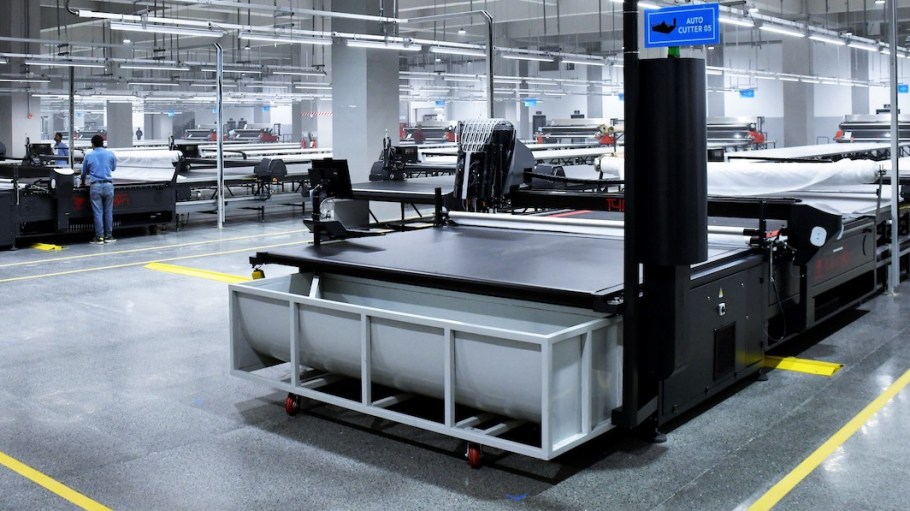
Interloop’s newest apparel plant in Pakistan has received LEED platinum certification from the United States Green Building Council (USGBC). The 1.25 million-square-foot facility in Faisalabad earned 94 points out of a possible 110 on the LEED certification scale, including perfect scores on water efficiency, sustainable sites and innovation. The score was the highest in Pakistan, as well as globally for a facility of its scale.
The facility, which opened late last year, allowed Interloop to scale its production to 45 million pieces annually, primarily through the use of automation. Along with the production technology, the Interloop incorporated sustainability features including energy-saving systems such as biomass boilers and water management tech that allowed the facility to achieve a 20 percent water recycling rate.
Related Stories
The Faisalabad location is Interloop’s fourth LEED-certified facility in Pakistan, following its two LEED Gold hosiery factories and a LEED Platinum denim plant.
Platinum- and Gold-certified plants as a blueprint,” said Navid Fazil, CEO, Interloop. “We are proud of our team’s dedication to innovate, ensuring that as we grow, we continue to operate at the highest level of sustainability.”
Interloop has set a number of short- and long-term sustainability goals, including having 70 percent of its materials being sustainable or sustainably sourced by 2025. The company also is working toward decarbonizing operations and reducing Scope 1 and 2 emissions by 2030.
Earlier this month, Interloop earned the Alliance for Water Stewardship’s (AWS) Gold certification for its denim and hosiery facilities in Lahore. The company was recognized for its efforts to conserve water through initiatives such as integrating Nanobubble Tech, which removes impurities from water, improving production processes and reducing water usage.
Last year, Interloop—which produces denim, apparel and hosiery for brands such as Adidas, H&M and Nike—also introduced Loomshake technology, a product spun from cotton and banana fiber. Guess adopted use of the fiber in its products earlier this year.
The initiatives, along with social responsibility programs at its facilities, are part of Interloop’s membership in the United Nations Global Compact, a voluntary initiative that encourages businesses to adopt sustainable and socially responsible policies, reporting on their implementation.
“We are just as ambitious in our efforts to build sustainable facilities as we are in creating a truly inspiring experience for our people,” added Fazil. “Interloop is setting an important precedent for industrial environments across the region.”