Circulose continues its push to scale, inking new partnerships with a spate of global fashion brands.
The regenerated cellulosic fiber maker announced today that Bestseller, John Lewis, C&A, Filippa K, Reformation, Faherty, Bobo Choses and Zero have joined its stable of brand partners. These partnerships are just the latest in year of collaborative growth for Circulose, which also added H&M, Mango and Marks & Spencer to its list of brand partners in 2025, along with Chinese man-made cellulosic fiber manufacturer Tansghan Sanyou and China-based chemical fiber producer Jiliin Chemical Fiber.
Related Stories
“These partnerships are an important milestone in Circulose’s new chapter,” said Jonatan Janmark, Circulose CEO. “After a year of resetting our strategy and intensely engaging with brands, this wave of commitments shows our efforts are paying off.”
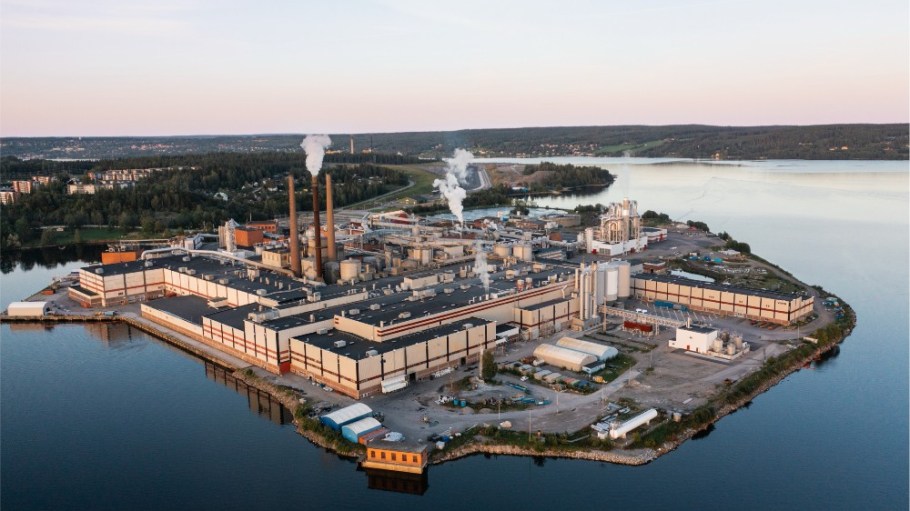
Since emerging from the ashes of bankrupt Swedish textile recycler Renewcell in 2024 with a new name and owners, Circulose has been focused on scaling the production and use of its proprietary regenerated material—also called Circulose—which is made from 100 percent recycled textile waste.
To facilitate that growth, Circulose has implemented a new commercial strategy focused on forging close brand partnerships with a new pricing model and expanded support services. Circulose developed the pricing model in collaboration with Fashion for Good and Canopy as a joint initiative to accelerate the shift to next-gen materials by making them more price-effective for brands.
In September, Circulose joined forces with Lectra-owned TextileGenesis to integrate their supply chain traceability technology into its material offering for the apparel industry. The collaboration allows traceability of regenerated Circulose material from pulp to final product, through TextileGenesis’ Fibercoin system. The tool creates digital twins of assets that can be tracked through the value chain, allowing any brand using Circulose to achieve full traceability.
Circulose has gained traction this year by appealing to brands interested in reducing their reliance on virgin materials to create viscose and lyocell fibers. Since Circulose is made of recycled textile waste, it offers a more sustainable alternative to virgin materials by eliminating the need for deforestation and reducing water usage and carbon emissions.
Janmark said that landing this latest group of brands illustrates the material’s potential to have a significant impact on improving sustainability in the global fashion sector.
“Their support will help to unlock the next phase of our production journey,” he said. “We are proud to enable brands who are serious about transforming the textile industry.”