A collective of U.S. ports is clapping back on the U.S. Trade Representative’s (USTR) plans to impose triple-digit tariffs on Chinese-made cranes and other cargo-handling equipment in November.
The American Association of Port Authorities (AAPA), which has long been critical of the expected measures, is urging the Trump administration to reverse course on the impending tariffs.
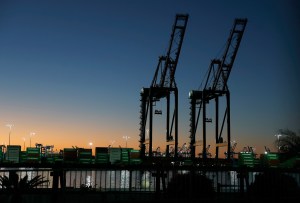
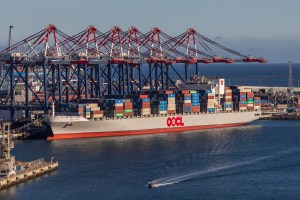
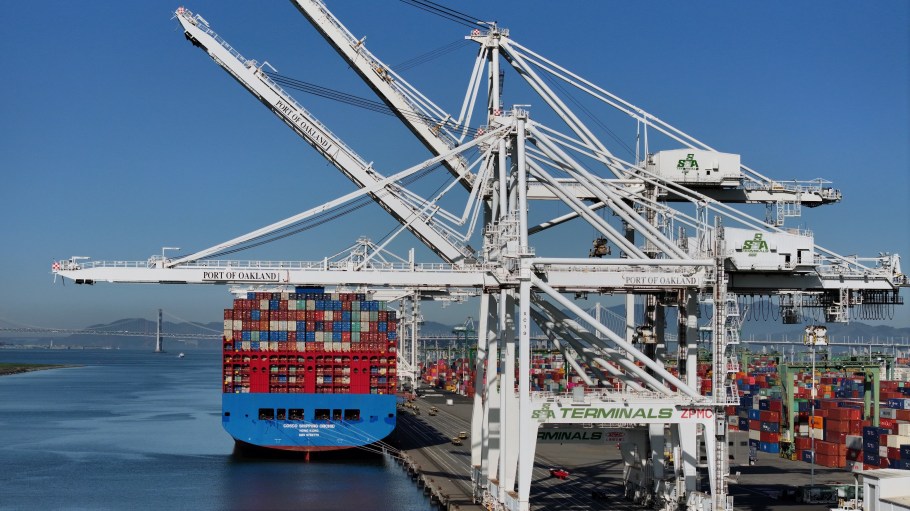
Starting Nov. 9, the USTR is tacking on additional duties of 100 percent on Chinese ship-to-shore (STS) cranes and intermodal chassis.
Related Stories
While the 100 percent tariff was already established, the USTR also introduced a new proposed tax of up to 150 percent on certain cargo-handling equipment last Friday. Equipment covered includes rubber tire gantry cranes, rail-mounted gantry cranes, automatic staking cranes and terminal tractors.
The association is instead calling on the administration to support American businesses through targeted tax credits and funding for port infrastructure.
Ports have become a battleground of sorts for the U.S.-China trade war, with both countries having slapped docking fees on the other nations’ vessels on Tuesday.
“The seaport industry is challenged by yet more taxes on the equipment necessary for supply chain expansion and resilience,” said AAPA president and CEO, Cary Davis, in a statement. “Ports large and small struggle to finance large, modern, world-class equipment like cranes when government policies double the price overnight. The choice is between affordable equipment or lagging behind.”
While Davis threw his support behind the Trump administration’s efforts to bring critical manufacturing back to America, he warned “tariffs on key equipment will not lead to a manufacturing boom; they will only make shipping goods through U.S. ports more costly.”
According to the AAPA, the 100 percent STS tariff would only make cranes delivered from U.S. allies more expensive and would “only serve to delay port modernization.” In official comments submitted to the Federal Register in May, the association previously said such a high tariff combined with existing duties on Chinese imports would cost U.S. ports $6.7 billion over the next decade.
Conversely, the USTR believes the Section 301 duties on STS cranes would reduce U.S. ports’ exposure to and dependence on Chinese sources, strengthen American supply chains and provide additional leverage with China in trade negotiations.
The additional 100 percent duties will not apply to STS cranes ordered under contracts executed before April 17, 2025, and entering the U.S. before April 18, 2027.
American ports have 55 cranes on order and another 151 are expected to be needed in six to 10 years, the AAPA previously said. Of the long-term total, which costs $2.5 billion, 121 of those cranes came from China.
Last year, the Biden administration initially hit China with 25 percent tariffs on the STS cranes amid accusations of violating Section 301 trade laws, as well as wider national security concerns at the ports.
One such major concern was that Chinese state-owned Shanghai Zhenhua Heavy Industries (ZPMC) is estimated to have manufactured 80 percent of the ship-to-shore cranes in the U.S., tallying more than 200 in total.
STS cranes are not currently produced in the U.S., and are largely manufactured by either ZPMC or Finland-based Konecranes.
With that in mind, AAPA has endorsed the proposed Port Cranes Tax Credit Act of 2025, led by Rep. Mike Ezell (R-Miss.). This bill is aimed at incentivizing domestic production of STS cranes by granting tax incentives to companies that manufacturing them in the U.S.
Under that legislation, a U.S. company can get a production credit of 40 percent of the sale price of a domestically produced crane. If its component materials amount to 90 percent of the total crane, the production credit increases to 60 percent of the sale price.
As for the tariffs on other cargo-handling equipment, the AAPA argues the high duties would effectively price out these equipment types for U.S. ports, potentially delaying their expansion plans for years at a time.
“Any price increase in equipment must be budgeted for by reducing expenses elsewhere, whether workforce training or capital investment,” the AAPA statement read. “High tariffs on allied nations in Europe and Asia, where much of the world’s port equipment is manufactured, mean costs for cargo handling equipment will continue to rise worldwide.”
In another recent modification to the previous Section 301 actions, the USTR changed the basis for calculating service fees on vessel operators of foreign-built vehicle carriers. The fee has been set at $46 per net ton.
According to the AAPA, this is an “exorbitant fee that will make cars more expensive for consumers and make American cars less competitive in the global market.”