U.S. shippers working with FedEx and UPS will be paying a surcharge if they want to bring imports into the country from China and Hong Kong.
UPS reinstated a 29 cents-per-pound “surge fee” surcharge on all shipments from China, Hong Kong and Macau entering the U.S. on Sunday, bringing back an added charge that was in effect for two weeks in March.
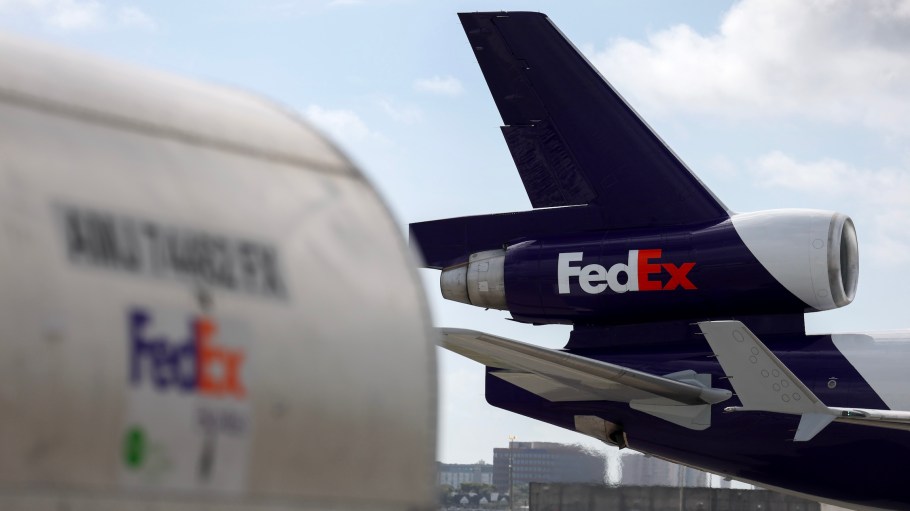
On Tuesday, FedEx tacked on a 45 cents-per-pound import demand surcharge on parcel shipments from China, Hong Kong and the Philippines. A $1 minimum charge is levied for each parcel shipment. FedEx had most recently imposed these surcharges between Sept. 16 and Jan. 31, levying a $1-per-pound import fee for products out of those markets.
Related Stories
The FedEx surcharges are expected to remain in effect until May 2, which is the date the duty-free de minimis trade provision for low-value shipments out of China is officially banned.
For UPS, the fees don’t have an explicit end date, but the company indicated in a notice that the surge fees are subject to change. This fee is subject to fuel surcharges and will apply based on the billable weight of the shipment, according to the courier.
When the fees were implemented in March, UPS said the move was not in response to the 20-percent tariffs then imposed on all Chinese imports. UPS had already placed more expensive forms of these fees on imports from China from September to January.
But the latest reintroduction of the UPS surge fees and FedEx demand surcharges comes as stakes of a U.S.-China trade war keep escalating, with the cost to import goods out of China getting more expensive by the week.
Tariffs levied by President Donald Trump on Chinese goods entering the U.S. are now up to 145 percent when accounting for 20-percent added duties related to the country’s alleged role in the flow of fentanyl into the U.S.
And with the closure of the de minimis exemption, shipments worth less than $800 flowing out of China will now face even heavier per-package duties than were initially expected. Starting May 2, carriers will either have to pay a 120 percent rate on the package or a $100 package fee. On June 1, that fee will jump from $100 to $200.
E-commerce companies like Shein and Temu that leveraged the de minimis provision to ship directly to U.S. consumers can no longer transport goods free of tax.
As both FedEx and UPS look to recoup more margins in the air, air freight rates have briefly spiked largely because of the pressures created by the tariffs. According to WorldACD, rates out of the Asia-Pacific region escalated 4 percent during the week from March 31 to April 6. The increased rates happened even as weekly demand dipped 1 percent out of China and Hong Kong to the U.S., the first such drop since the start of 2025.
However, the rate spike is expected to be short lived as demand is expected to plummet once the May 2 date passes. In the long term, lower demand out of China is also likely as shippers have front-loaded cargo into the U.S. earlier than usual for months, in anticipation of Trump’s tariffs.
Ironically, FedEx itself didn’t see the same pulling forward of freight that ocean carriers did, chief customer officer Brie Carere said in an earnings call last month. But Carere said the logistics giant was “very ready” to handle the changes in line with the cancellation of the tax-free provision. However, the axing of de minimis would only affect a minority of revenue on export lanes, said chief financial officer John Dietrich.
For UPS, the package delivery company is also trying to give end customers more transparency into the state of import fees as changes keep hitting the supply chain. Last month, the company debuted UPS Global Checkout to give shoppers on international website an upfront view of the guaranteed total landed cost they will pay before completing the purchase. This way, shoppers can see what duties, customs fees and taxes they are paying at checkout.
As they navigate the current volatile trading environment, both UPS and FedEx are in the middle of network overhauls as they aim to consolidate their operations and save billions of dollars. Both companies have had to navigate a wider freight recession since 2022, and are likely to deal with more margin pressure due to the ongoing U.S.-China trade war.