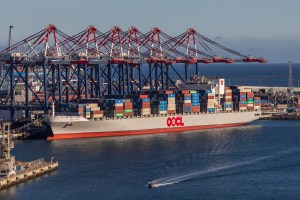
Chain Reaction is Sourcing Journal’s discussion series with industry executives to get their take on today’s logistics challenges and learn about ways their company is working to keep the flow of goods moving. Here, Coral Li, sourcing manager at China Performance Group (CPG), discusses how the sourcing service provider helps its clients achieve both near- and long-term success by implementing rigorous practices and procedures.

Name: Coral Li
Related Stories
Title: Sourcing Manager
Company: CPG
Which industry do you think has the most to teach fashion about improving their supply chain logistics?
We primarily serve industries that buy directly from China. This includes construction parts, energy, chemicals, cement, medical equipment, home appliances, textiles and jewelry.
Among these, industries with substantial shipping demands can offer valuable insights for the fashion sector to enhance supply chain logistics. Especially crucial in times of shipping challenges, we advocate maintaining backup freight forwarders to widen route options, ensure timely delivery, and allow importers to conduct price benchmarking from various providers, thus achieving lower costs.
Additionally, diversifying logistics resources can optimize cost-effectiveness and delivery reliability compared to reliance on a sole logistics provider.
What are the main things brands and retailers could do right now that would immediately improve logistics?
Brands purchasing from China for specific time-sensitive events within a narrow delivery window significantly limit their flexibility. Not only for inventory management, but logistics options as well.
To mitigate this problem, we recommend including larger buffers in your projected timelines to account for unexpected disruptions, advanced planning and better communication and management in all aspects of sourcing. This includes sampling, ordering, production and shipping.
Implementing these simple steps will allow for a broader range of logistic choices, saving costs and ensuring timely delivery.
What area of logistics isn’t receiving the industry attention it deserves?
Nowadays—given the state of international relations and seasonal trading volumes—freight rates are dynamic and hard to predict, regardless of whether you are shipping by air, train or sea.
Despite this, industry attention on frequent price benchmarking of forwarder rates is inadequate. Considering that logistics costs account for a significant percentage of a company’s total spending, CPG strongly recommends identifying alternative shipping solutions frequently.
When it comes to creating efficiencies, there are quick wins and longer plays. What are a few things your company is doing to help its partners succeed on both fronts?
To help our clients who buy directly from China achieve both near- and long-term success, we create detailed product specifications sheets (PSS) for every order. This ensures products conform to our clients’ expectations. The PSS also includes all information deemed relevant for the product, including packaging.
We also work closely with clients to optimize inventory management and establish effective purchase orders. Lastly, we coordinate with several freight forwarders to identify the most suitable shipping routes, methods and timing.
What is your company doing to make the movement of goods more sustainable?
We actively engage with clients, suppliers and other stakeholders to increase green manufacturing and logistics practices.
In our business endeavors, we recommend minimizing the environmental impact and carbon footprint of our China sourcing services, including packaging, storage and transport. For packaging, we recommend using environmentally friendly materials and minimizing the use of waste materials. We also avoid shipping small deliveries in large boxes that require excessive packing materials and layers of wrapping.
What is the one thing brands and retailers could be doing to make better use of technology to improve logistics?
Leveraging intelligent storage and logistics technologies could enhance the speed and efficiency of logistics systems, driving iterative improvements and service upgrades.
Are you optimistic about the state of supply chains in the next few years?
Absolutely. I am optimistic because market economies allocate resources where they generate the most value. With advancements in transportation and communication, our global village is shrinking, fostering understanding and trust across diverse regions. This translates into increased confidence about doing business in every part of the world, providing more opportunities for international sourcing.