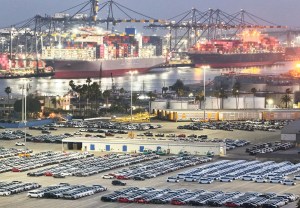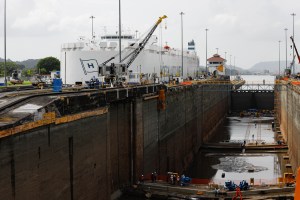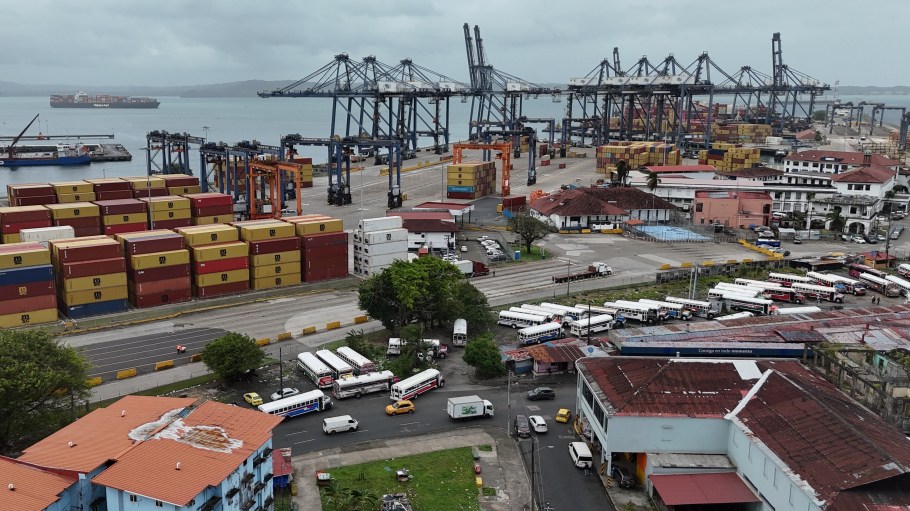
CK Hutchison subsidiary Panama Ports Company (PPC) is seeking $2 billion in damages from the Panamanian government alleging the state illegally took control of the Balboa and Cristóbal ports.
PPC filed international arbitration against the country under the rules of the International Chamber of Commerce, also challenging the executive decree used to occupy the facilities and confiscate property and equipment including cranes, vehicles and computer systems.
PPC and Hutchison said in a Friday statement “they will not relent and they are not coming for some token relief,” slamming Panama for what it calls “radical breaches and anti-investor conduct.”
Related Stories
The subsidiary also requested the return of proprietary documents it described as unlawfully seized, claiming that they were unrelated to the port’s operations. Additionally, CK Hutchison submitted a supplement to a prior dispute notice, alleging Panama was not transparent and disregarding prior communications and consultations with the company prior to the takeover.
Panamanian authorities raided the PPC’s offices in late February, removing over 100 boxes of records among suspicions that the company hid information about its management of the Balboa and Cristóbal terminals.
The raid and the company’s complaint both stem from a Supreme Court ruling last month which declared CK Hutchison’s contract extension to operate the Panama Canal-adjacent ports was unconstitutional, thus annulling the deal.
Hutchison had operated the Balboa and Cristóbal ports since 1997, before signing a new 25-year extension in 2021. But the Panamanian government began to have reservations about the partnership in early 2025 amid a lawsuit accusing the Hong Kong-based terminal operator of skirting taxes.
The government opened a three-month audit into PPC’s operations, later finding that the company owed Panama $300 million since the concession was extended.
More domestic pressures including a lawsuit from Panama’s comptroller general and criticisms from the government’s attorney general put Hutchison’s contract under scrutiny. But the burden was arguably greater internationally amid U.S. President Donald Trump’s fixation on the Panama Canal.
President Trump had previously stated his desire to “take back” the trade artery, which the U.S. officially transferred to Panama on Dec. 31, 1999. The rhetoric from the president echoed some of the wider apprehensions among U.S. lawmakers that China had too much influence on the waterway, a claim Panama had always rejected.
Last March, American hedge fund BlackRock formed a consortium with Mediterranean Shipping Company (MSC) to acquire the Panama ports, and terminals at more than 40 other ports, from CK Hutchison. That proposed deal would have cost $22.8 billion, and was seen as a win for U.S. interests.
Beijing and Hong Kong railed against the proposal, with China opening an antitrust investigation into the deal. China’s presence ultimately stalled the deal last year, with the country reportedly demanding Cosco Shipping get a controlling stake.
But the international bickering ended up being moot in the end, with the deal effectively shelved after Panama’s high court ruling voided Hutchison’s government contract.
A report from the Financial Times indicates that negotiations between the parties for the other 41 ports across Europe, Southeast Asia and the Middle East are still ongoing.
As for the Balboa and Cristóbal terminals, the Panamanian government placed them under control of Maersk’s APM Terminals and MSC’s Terminal Investment Limited (TIL), respectively.
The operators are running the ports for 18 months, with the government set to award long-term concessions before the end of each assignment.
On Saturday, U.S. Secretary of State Marco Rubio met with Panama President José Raúl Mulino in Miami, where both leaders discussed strengthening bilateral cooperation programs between the two countries.
“U.S. companies will begin to have greater participation in bidding processes in Panama in this new era of relations with the United States,” Rubio said.
China’s transport ministry summons Maersk, MSC
China’s Ministry of Transport held discussions with Maersk and MSC on Monday regarding “international shipping operations.”
The government agency revealed the summons in a one-sentence statement, but did not elaborate on the meetings.
Various reports have tied the government summons to different causes. A report from maritime shipping publication Lloyd’s List said the meetings were linked to the Panama ports, and that Beijing may be preparing retaliatory measures against the two carriers.
The two companies may now face pressure or penalties from China for being seen as facilitators of Panama’s forced seizure of port assets, the report said.
The Financial Times reported that the transport ministry officials expressed concerns over the supply chain disruptions and the stability of trade due to the suspension of activities in the Strait of Hormuz.
Both MSC and Maersk have halted bookings to and from the Middle East because of safety concerns stemming from the war in Iran. The disruptions have already caused a brief spike in Brent crude oil prices, with the carriers raising freight rates for shipping in the area and implementing emergency surcharge fees.