The U.S. consumer finance watchdog sued Walmart and workforce payments provider Branch Messenger, accusing the companies of costing the retail giant’s Spark delivery drivers more than $10 million in extra fees.
The Dec. 23 lawsuit revolves around Walmart’s requirement of its independently contracted Spark drivers to use Branch’s deposit accounts to access payments. According to the Consumer Financial Protection Bureau (CFPB), thousands of drivers had their wages deposited into a Branch account without being consented first.
Related Stories
Walmart allegedly told the drivers that they would be terminated if they did not want to use the Branch accounts.
When drivers did use the platform, they allegedly faced numerous delays or fees if they needed to transfer money from the Branch account into a different account, which resulted in more than $10 million in added “junk fees.”
If drivers wanted an “instant” transfer to a different bank, these fees would add either 2 percent or $2.99 per transaction, whichever was higher, the complaint said.
Drivers could use a second option that didn’t include a fee, but that could take up to five days and was only available if the receiving account was at a bank that partnered with the same financial data transfer company Branch used.
For both options, Branch also imposed daily and monthly limits on how much money Spark drivers could transfer out of their accounts.
Spark delivery workers have complained about the lack of better payment options, as the Branch Messenger account requirements don’t enable direct deposit to a preferred credit union or local bank.
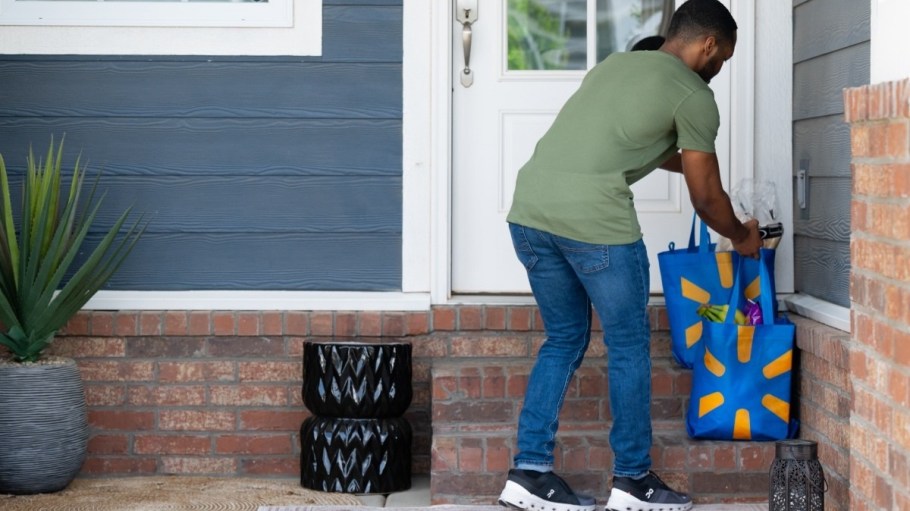
Since August 2021, Walmart and Branch opened Branch accounts for more than 1 million drivers in the Spark program, which is Walmart’s platform for gig economy workers that fulfill last-mile deliveries from the retail giant’s stores.
Walmart and Branch opened accounts for new drivers by using drivers’ information, including their social security numbers, without obtaining the drivers’ consent, the 60-page suit alleges. Drivers’ pay was then deposited into these accounts without their authorization. Drivers could not access their earnings without agreeing to Branch’s terms and conditions.
The suit also says the defendants misrepresented to drivers that they had instant access to earnings or same-day pay via the Branch account. Spark drivers have never received same-day pay through Branch, the suit said.
“Walmart made false promises, illegally opened accounts, and took advantage of more than a million delivery drivers,” said CFPB director Rohit Chopra in a statement. “Companies cannot force workers into getting paid through accounts that drain their earnings with junk fees.”
The CFPB also accused Branch of misleading advertising and failure to investigate and resolve errors, among other allegations.
Both Walmart and Branch have denied the accusations.
“The CFPB’s rushed lawsuit is riddled with factual errors and contains exaggerations and blatant misstatements of settled principles of law,” said Walmart in a statement. “The CFPB never allowed Walmart a fair opportunity to present its case during their rushed investigation. We look forward to vigorously defending the Company before a court that, unlike the CFPB, honors the due process of law.”
Branch said the suit “misstates the law and facts, and includes intentional omissions to mask the Bureau’s clear overreach.”
According to the lawsuit, the agency wants to end the conduct in question, to return funds to harmed consumers and impose fines to be paid into the CFPB’s victim relief fund.
Just days earlier, the bureau filed a suit against JPMorgan Chase, Bank of America, Wells Fargo and Early Warning Services—operator of peer-to-peer payments platform Zelle—for failing to protect consumers from “widespread fraud” on the platform. The lawsuit claims customers have lost more than $870 million since the launch of Zelle in 2017.
The CFPB lawsuit comes more than a year after a former Spark driver led a class-action lawsuit against the retail giant and its recruiting firm on claims that he and other couriers were misclassified as independent contractors. Due to the alleged misclassification, the defendants failed at times to pay the drivers at least the hourly state minimum wage.
That case is still under arbitration. Both Amazon and Target have also been sued over the past two years over driver misclassification.
As of June 2023, the Spark delivery program covers roughly 84 percent of U.S. households and includes 17,000 pick-up points.