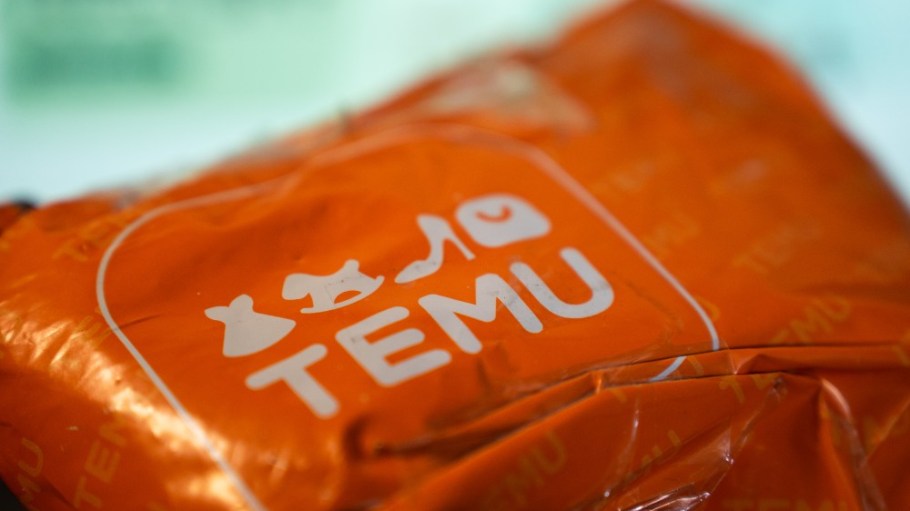
Temu’s owner is now under fire from the place where it first set up shop.
China-founded PDD Holdings, which owns Boston-headquartered Temu known widely for its ultra-low prices and direct-from-China shipping, as well as Pinduoduo, a low-price Chinese commerce marketplace, now faces scrutiny from Chinese watchdogs.
According to Bloomberg, officials from the State Administration for Market Regulation (SAMR) and the Ministry of Commerce met with members of PDD Holdings, Temu’s parent company, to address a returns policy it deems unfair to sellers.
Related Stories
That policy allows shoppers to receive refunds for products without returning the item to Temu. That, the watchdogs reportedly said, puts unnecessary and unfair strain on small sellers’ businesses, cutting into their margins. While the SAMR and the commerce ministry have asked PDD to remediate the issue, Bloomberg reported that they did not provide specific suggestions to do so, nor did they explicitly state that the refunds-first policy must be quashed entirely.
Earlier this year, Chinese merchants stormed PDD’s Guangzhou, China-based office in protest of harsh fines Temu imposed on sellers. At the time, merchants complained that Temu handled post-sales issues poorly, resulting in losses amounting to millions of Chinese yuan—or hundreds of thousands of U.S. dollars.
Temu’s parent company, PDD, did not return Sourcing Journal’s request for comment on the policy or whether it plans to change it. However, at the time of the protests, a Temu spokesperson told Sourcing Journal it was “actively working with merchants to find a solution” to the issues that brought on the protests.
The outrage from the Chinese watchdogs come at a time when selling on Temu or competitors AliExpress and Shein may become more expensive for China-based merchants. The cost of doing business continues to increase for global organizations, with supply chain leaders and retailers reporting higher transportation costs. To add to that issue, U.S. officials have been considering reducing or eliminating the de minimis loophole, which allows low-cost, direct-from-China shipments to enter the country with minimal scrutiny.
If the government follows through on making such changes—particularly if officials decide to impose a China-only de minimis cut—it could bring added costs to Temu’s sellers, who may incur higher costs associated with tariffs they currently aren’t required to pay.
Refunds, seemingly already an issue for Temu merchants, could become even more costly.
And the current administration’s interest in collapsing de minimis couldn’t be clearer. In September, President Joe Biden and Vice President Kamala Harris noted that they were looking into “addressing the significant increased abuse of the de minimis exemption, in particular China-founded e-commerce platforms, and strengthening efforts to target and block shipments that violate U.S. laws.”
The U.S. is not the only jurisdiction where de minimis is in jeopardy. Some EU countries, including Germany, have voiced their support for similar changes being made in the bloc.
Those potential changes come at a time when Temu is already pushing its sellers to import inventory en masse into U.S.-based warehouses, in an effort to compete with Amazon’s famous two-day shipping model, which sellers told the Financial Times earlier this year that the U.S. fulfillment model carries heavy incentives for those making it work. Benefits purportedly include higher search rankings on its platform and subsidies for clothing sellers.
And Temu has made it clear it has a particular interest in continuing to onboard U.S. sellers—it recently announced that U.S. brands and merchants no longer need an invitation to join the platform as it continues to grow.