People for the Ethical Treatment of Animals (PETA) just gave several fashion brands a pat on the back, debuting its first PETA Fashion Awards.
A handful of the winners previously had been antagonized by the animal rights organization, which has turned a number of foes into friends of faux.
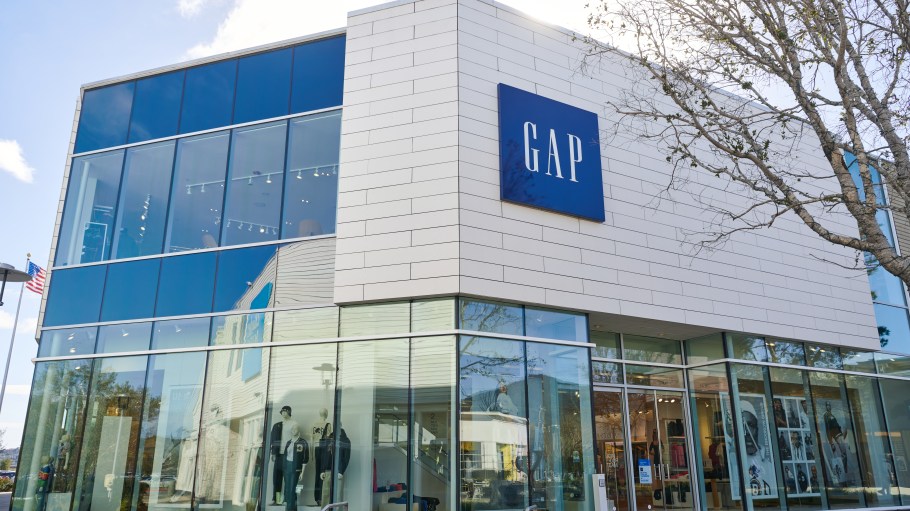
Gap nabbed the title of Overall Most Vegan-Friendly Company from the Norfolk, Virginia-based organization, which heralded the Dapper Dan partner’s use of vegan leather, faux cashmere and down-free jacket options.
Related Stories
“Gap knows that innovative, climate- and animal-friendly vegan materials are the future of fashion,” Tracy Reiman, executive vice president of PETA, said in a statement. “PETA is urging other retailers to take note and embrace stylish, animal-free clothing and accessories that bridge the gap toward a more humane world.”
It appears Gap has redeemed itself in PETA’s eyes.
In recent months, PETA came after Gap for its use of down. It now offers a number of non-down jackets, made with PrimaLoft P.U.R.E. fill, a synthetic replacement for feather down; recycled nylon; polyfill and other non-animal materials.
Meanwhile, VF Corporation received accolades with PETA’s Leader in Fashion Award. The North Face owner confirmed in September that it would no longer use cashmere in its products after communication with PETA detailing goats’ suffering in the industry.
PETA has continued its pursuit against cashmere with other companies, calling on Naadam, Prada, Burberry, Chanel and other brands to follow the Vans owner’s lead.
“VF Corporation’s decision is a win for the countless goats who will be spared the agonizing ordeal of having their hair ripped out over and over,” Reiman said in a release.
Though PETA didn’t recognize a winner in women’s fashion, Abercrombie & Fitch received the Best Men’s Fashion award for its consistent use of animal-free leather, suede and shearling.

Abercrombie ditched its use of mohair and merino wool after contact with PETA over the years.
Balenciaga and Gozen earned the Most Innovative Partnership, celebrating the duo’s launch of Lunaform at Paris Fashion Week 2023. The material, produced with microorganisms, does not use animal components or plastic. The biomaterials startup and the luxury purveyor will include Lunaform in its Summer 2024 collection.
PETA issued recognition in specific categories, too—Canada Goose was awarded the Coolest, Warmest Down-Free Fashion award for a “downright fabulous, down-free” shirt jacket insulated with Tencel lyocell; Gucci saw praise for Best Luxury Product with its Horsebit 1955 bag and Max Mara won the Best Vegan Suede Staple award for a vegan suede jacket that “exudes quiet luxury,” a trend that some in the industry predict will continue in 2024.
In the land of vegan leather and skins, Versace took the cake for the Hottest Vegan Leather Product with its Croc-Lacquered Cloquet Jacket, made from recycled polyester. Alice + Olivia came away with the award for Best Vegan Exotic-Skin Staple with a vegan leather minidress.
Stella McCartney saw praise for Best Vegan Heel for a knee-high stiletto boot made with vegan leather and a bio-based material from grape waste. PETA celebrated sneaker brand MoEa for its shoes made with vegan leather from fruits and vegetables.
The PETA spokesperson will make its newly minted awards an annual tradition.
“Every November, we will meet and review submissions submitted by our staff and supporters and decide which companies and products we want to spotlight and celebrate,” they said. The winners of PETA’s 2023 Fashion Awards know that innovative, climate- and animal-friendly vegan materials are the future of fashion and PETA is urging other retailers to take note and embrace stylish, animal-free clothing and accessories that bridge the gap toward a more humane world.”
But not every brand came out of the biodiversity advocate’s new awards unscathed—the nonprofit also issued two “dishonors.”
Throughout 2023, PETA has ripped into companies using down in products, and has also called out the Textile Exchange for lack of stringency in its requirements for the Responsible Down Standard (RDS) certification.
But much of its beef has been with Swedish fast-fashion giant H&M, which received the Villain of the Year award from the feather foe.
“On its website, H&M falsely claims to care about animals and says that no animals should be harmed to make their products—but it keeps selling down, which is completely contrary to these empty claims,” a spokesperson for the animal rights group told Sourcing Journal. “As PETA Asia’s multiple investigations have all revealed, ducks are crammed into filthy sheds where they live on wire flooring, which cuts into their feet, or they live standing in their own feces before they’re hung upside down and their throats are slit.”
A spokesperson for H&M denied PETA’s allegations in a statement to Sourcing Journal.
“Animal welfare is very important to us at H&M, and no animals should be harmed in the production of our products. We only accept down or feathers from farms that are certified according to the Responsible Down Standard (RDS). It is a global standard that allows companies to ensure that their certified down in their products comes from ethically treated geese and duck. H&M Group does not accept down or feathers from live-plucked birds or from farms practicing live-plucking or force-feeding practice,” the spokesperson said.
Meanwhile, Reformation got dubbed Greenwasher of the Year, despite its work with next-generation materials like Mirum, a vegan leather and Ecovative’s plant-based micellium.
PETA doesn’t seem to care—the organization maintains that it has serious concerns about the Veja partner’s animal-based practices.
“Reformation markets itself as a ‘sustainable’ company while also selling cruel and environmentally destructive animal-derived materials. This misinformation fools consumers into thinking it’s OK to purchase clothing made from the skins and fur of dead animals. Their depictions of so-called happy and respected sheep are blatant lies, and PETA works to inform the public about the truth behind animal-derived products,” the spokesperson said.
Reformation denied PETA’s allegations and noted that vegan doesn’t always mean better from a sustainability perspective.
“We wholeheartedly reject this completely false characterization. There is a tremendous amount of misinformation about what is actually sustainable in fashion, which is why we regularly publish detailed reports about our efforts,” Reformation told Sourcing Journal. “Virgin animal-based materials represent less than 3 percent of our total sourcing. We’ve never claimed to be a vegan brand and it’s a common misconception that vegan materials are what is best for the environment in every case. The commercially viable vegan alternatives currently on the market are largely made from fossil fuels and plastics that do not meet our sustainability standards. Doing the hard work of determining the best holistic solutions means embracing nuance and making trade offs. We stand by our sourcing of regenerative wool.”
The brand also cited its “positive relationships” with other activists and industry groups like Four Paws and said, “It’s unfortunate that PETA is choosing to forgo that kind of productive collaboration in favor of PR.”