Kohl’s is looking to get younger customers through the door.
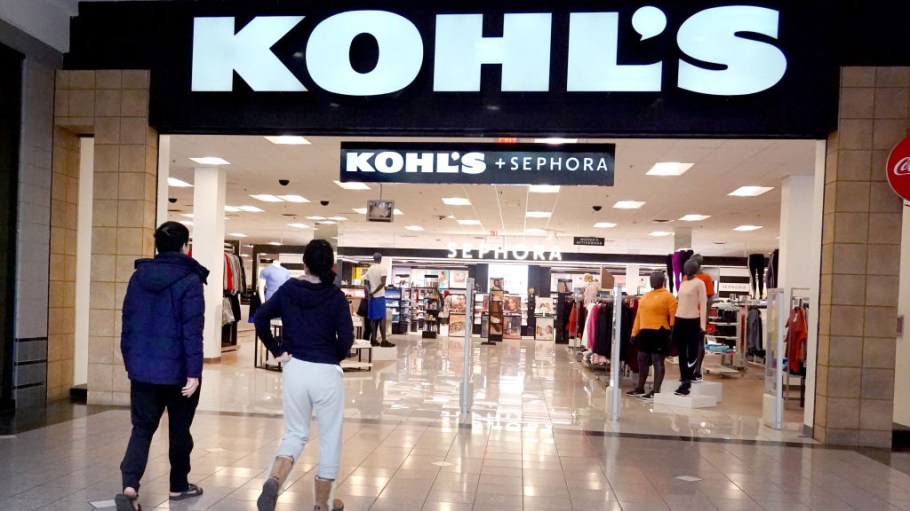
Still in the throes of a turnaround, the department store chain is moving beyond the millennial mom with a new partnership aimed squarely at Gen Alpha’s 13-and-under digital natives and the youngest Gen Zs. Kohl’s already has a strong deal in place with Sephora, the popular beauty retailer. Now kids might drag their minders to the Menomonee, Wisc.-based company’s 700-plus stores that feature Claire’s youth-friendly jewelry and accessories.
Related Stories
For Claire’s, the move expands on similar deals it’s inked with Macy’s and Walmart. At Kohl’s, the Claire’s assortment will be tailored to specific demographics. One display apiece will speak to Gen Alpha and to Gen Z, while a third placed near checkout showcases season and novelty items aimed at the impulse shoppers.
But ongoing topline headwinds, such as declines in comparative store sales, still make it a wait-and-see story. For now, Wall Street’s willing to give the new management team the benefit of doubt and time to prove that the new strategic initiatives are the right path for Kohl’s.
Within each Kohl’s, Claire’s will have three different product displays. The first targets Gen Alpha, while the second one’s focused on the older Gen Z crowd. The third display will be positioned near the checkout featuring seasonal items and novelty products. Claire’s carries scarves, headwraps, hats, socks, ear muffs, and hoods attached to scarves and convertible mitts.
“In partnership with Kohl’s, we are reaching even more consumers where they shop and providing them with on-trend fashion for self-expression,” Ryan Vero, Claire’s CEO, told Sourcing Journal.
Whether Claire’s will help Kohl’s solidify a turnaround and appease investors remains to be seen. Former CEO Michelle Gass left last year to become Chip Bergh’s successor at the helm of Levi Strauss. While she was running Kohl’s, Gass landed a deal to manage Amazon Returns inside the chain’s 1,100-plus stores, a move aimed at luring millennial shoppers. Then came the Sephora shop-in-shops. Gass also made activewear and fitness lifestyle products a big priority, and launched a program to open 100 smaller-format stores.
At the end of 2022, Kohl’s net losses reached $19 million, a big drop from the $938 million in net income it reported a year earlier. Net sales last year fell 7.1 percent to $17.2 billion from $18.5 billion in the prior year, and comparable sales were down 6.6 percent as well.
Tom Kingsbury temporarily filled in for Gass as interim CEO nearly a year ago before the position became permanent in February. The 40-year retail veteran’s resume includes stints at Kohl’s and The May Department Stores Co., and as the former CEO and chairman of Burlington Stores. Kohl’s also named Neil Jones—most recently CEO of Joules Group—its new chief merchant and digital officer. These moves suggest that Macellum Advisors, one of the activist investors who pressed for change at Kohl’s, might have been right all along in pushing for new management.
In the second quarter ended July 29, results were within the retailer’s expectations. They reflected softening consumer demand with steep declines in the top and bottom lines, but Kohl’s still managed a bottom-line beat driven by disciplined expense management and solid gross margins. Net income was $58 million, versus net income of $143 million a year earlier. Net sales fell 4.8 percent to $3.7 billion, versus $3.86 billion Comparable store sales fell 5 percent.
Telsey Advisory Group’s CEO and chief research officer Dana Telsey maintained her “Market Perform” rating, citing the Sephora deal’s strong performance and promising early results from Kohl’s new leadership.,
TD Cowen’s Oliver Chen believes Kohl’s new CEO has the right priorities, including a focus on the high-margin home goods category and a women’s fashion assortment with fewer private labels and more national brands.
And Fitch Ratings’ senior director David Silverman said: “Kohl’s reported a somewhat reassuring 2Q report in an increasingly volatile discretionary retail climate. While revenue was down 5% given spending pullbacks in Kohl’s key categories and ongoing mis-execution, the company was able to reign in inventory, produce positive cash flow in the quarter, and maintain its earnings guidance for the full year.”
Kohl’s customers were purchasing “polished casual and dressy offerings” for men, women and kids in the second quarter, according to Kingsbury. Lauren Conrad, Nine West, and Simply Vera Vera Wang were key brands for women. Kohl’s also carried more dress options in both special occasion and casual. Activewear is still important for Kohl’s even if sales aren’t where Kingsbury wants them to be. And Kohl’s is building on success in outdoor and golf apparel.
“In men’s, we have seen strong results in areas like suitings, dress shirts and dress pants, and we’ll continue to amplify these areas moving forward,” Kingsbury said. “And in children’s, we are expanding Little Co., as well as continue to build on our core Jumping Beans and Carter’s businesses.”
Looking ahead, Kingsbury said that in the “coming years, we believe Sephora, gifting, impulse, home decor and, longer-term, new stores will be the most significant contributors to our growth.”
He said Kohl’s “objective is to show incremental improvement in the back half of the year, with even more benefit in 2024 and beyond.” And Kingsbury highlighted the home business—where the retailer is forming new vendor partnerships and building inventory with buyers on a weekly basis—as a “major, long-term opportunity for Kohl’s.”
For Walter Loeb, a former retail executive and analyst, “the jury’s out until after the holidays.”
“I expect that you will see consumers trade down this year and I think that could provide a benefit to off-price and department stores such as Kohl’s,” he said.
Kohl’s third-quarter earnings report is scheduled for Nov. 21.