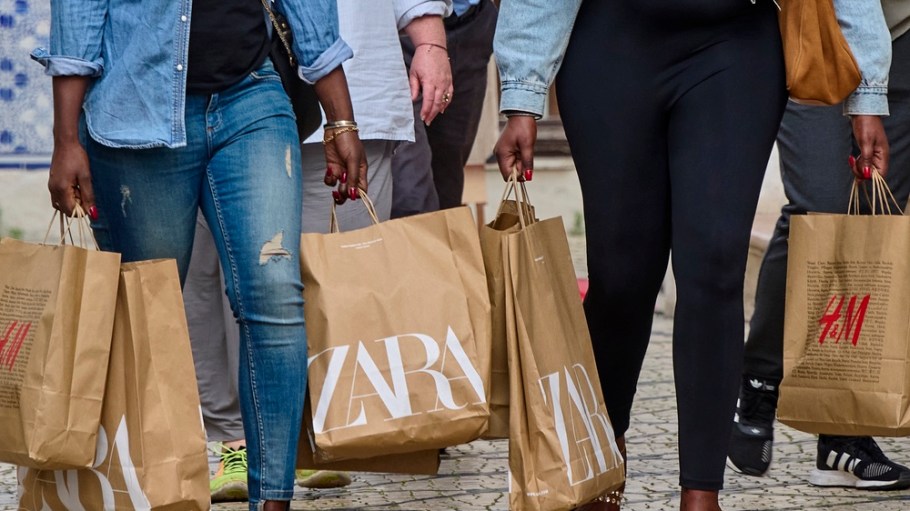
Adidas, H&M Group, Zara owner Inditex and Calvin Klein parent PVH Corp. are among the 60 brands and retailers that have thrown their support behind the renewed International Accord for Health and Safety in the Textile and Garment Industry, a legally binding agreement that holds signatories responsible for conditions at the factories that make their clothes and textiles.
Another 51 have signed the Bangladesh Safety Agreement and 88 the Pakistan Accord, both country-specific safety programs that constitute “addendums” under the International Accord’s overall framework.
Related Stories
More companies are expected to add their names to the lists, the secretariat for the International Accord said Tuesday, a month after it announced the overarching pact’s three-year renewal and its automatic three-year extension on top of that. “Multiple” brands are in the final stages of internal reviews and are expected to sign the agreements in the coming days, according to the Amsterdam-based organization, which grew out of the Accord for Fire Building and Safety in Bangladesh in 2021. Since then, it has expanded its purview beyond Bangladesh to cover Pakistan, where it will inspect and oversee remediation work at textile mills in addition to ready-made garment manufacturers.
The Bangladesh Safety Agreement, like the Bangladesh Accord before it, will be managed by the Ready-made Garment Sustainability Council, better known as the RSC. Under its tripartite structure, brands, suppliers and trade unions have equal seats at the table when making decisions. Before its renewal, the International Accord boasted 200 signatories.
“We invite all garment and textile brands and retailers sourcing from Bangladesh and Pakistan to join the signatories to these agreements,” the secretariat said. “We encourage you to re-sign the new International Accord, the Bangladesh Safety Agreement, as well as the Pakistan Accord, and reaffirm your commitment to our collective mission of a safe and sustainable textile and garment industry.”
Writing on Monday, the Clean Clothes Campaign, the garment industry’s largest consortium of trade unions and labor rights groups, called the International Accord a matter of “immense importance,” particularly as workplace deaths and injuries “remain all too common across the industry.” The original Bangladesh Accord was established in the aftermath of the 2013 collapse of Rana Plaza, which killed 1,134 garment workers and maimed or injured thousands more outside the capital of Dhaka.
“This new, longer-term program is an excellent chance for brands that have in the past decade failed to take responsibility for the safety of their workers, to finally take this step,” it said. “The Accord model has drastically reduced the amount of factory incidents in Bangladesh, and is currently making a real difference for workers in Pakistan. By refusing to sign the Accord, brands are denying their workers access to the Accord’s training and complaint mechanism and will continue to rely on inadequate social auditing rather than the Accord’s independent and competent inspections and remediation programs.”
Broader workers’ rights are something that Bangladesh needs to grapple with, according to a public statement from Amnesty International, which wrote on Tuesday that workers in the South Asian nation face “multiple barriers” in their ability to exercise their rights to freedom of expression, freedom of peaceful assembly, freedom of association and collective bargaining. Garment workers there also earn one of the lowest wages in the industry, with the recent increase of the minimum pay from 8,000 Bangladeshi taka ($73) to 12,500 taka ($114) drawing weeks of protests because it was deemed insufficient in the face of skyrocketing inflation.
“Amnesty International calls on the government of Bangladesh to take immediate and concrete steps to ensure workers have their rights to freedom of association, assembly and expression respected,” the nonprofit said. “The lack of genuine tripartite negotiations within the wage board, in the context of continued repression trade unions face in Bangladesh, combined with the failure to revise wages yearly, and the resultant ongoing poverty wages are all factors that have fueled the recent protests.”
Atle Høie, general secretary at IndustriALL Global Union, an international union federation that represents more than 50 million workers, said that supporting the International Accord demonstrates an appetite for accountability while a failure to do so signals a reticence to change. American brands, barring outliers like PVH Corp., he noted, have been reluctant to engage, preferring to rely on their private standards or rallying behind voluntary schemes with few, if any, teeth.
“For garment brands, signing the legally binding Accord shows a clear commitment to workers’ rights—we welcome that commitment and look forward to continuing working together,” he said. “However, this also shines a light on the absence of U.S. brands on the signatory list and their apparent unwillingness to take responsibility for their supply chain. We call on all garment brands to join the Accord, which has profoundly changed the textile and garment industry, making it safer and more transparent.”