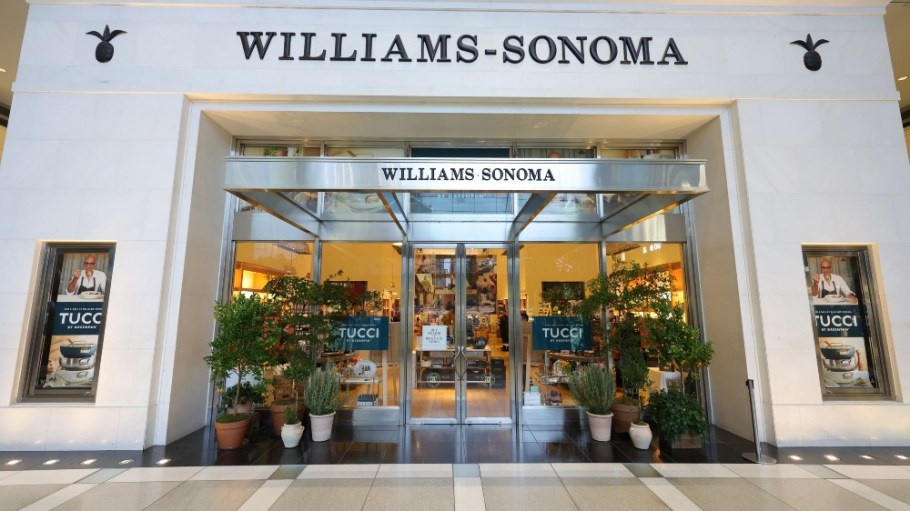
The U.S. Federal Trade Commission (FTC) hit home goods giant Williams-Sonoma, Inc., with a $3.18 million civil fine related to charges that the company falsely claimed some of its products were “Made in USA.”
The order calling for the settlement was filed on Monday in federal court in San Francisco, where Williams-Sonoma is based. According to the FTC, between April 2022 and August 2023, Williams-Sonoma falsely advertised mattress pads sold under its PBTeen brand were “Crafted in America from domestic and imported materials.” However, the agency confirmed many of the products were imported from China.
Related Stories
Williams-Sonoma is the parent company of Pottery Barn, Pottery Barn Kids, PBTeen, West Elm, Mark and Graham, Rejuvenation and Greenrow.
The FTC said it also found six products advertised as “Made in USA” on Williams-Sonoma’s website that were imported or contained a significant amount of imported content. At least three of those products were marked as domestically made in July 2021, when Williams-Sonoma’s deputy general counsel signed a document outlining the company’s compliance with a 2020 order.
That order came down in March 2020, requiring Williams-Sonoma to pay a $1 million settlement after the FTC found the company falsely claimed that all of its Goldtouch Bakeware products, its Rejuvenation-branded products, and Pottery Barn Teen and Pottery Barn Kids-branded upholstered furniture products were all or virtually all made in the U.S. In 2018, the FTC received reports that Williams-Sonoma claimed in ads and other promotional materials that its PBTeen organic mattress pads were “crafted in America from local and imported materials,” when they were actually made in China.
“Many of us want to buy products that are made in the USA, and we trust companies like Williams-Sonoma to tell us the truth,” Andrew Smith, former director, FTC Bureau of Consumer Protection, said at the time. “When a company falls short, we will hold it accountable.”
Consumer demand for domestically produced products is indeed on the rise, according to some data. A 2023 survey by market research company Morning Consult found that nearly two-thirds of consumers said they routinely sought out “Made in America” products over the past year. And a majority said they would be willing to pay more than 10 percent extra for domestically made goods as opposed to imports.
According to a Reuters report, Williams-Sonoma admitted the latest FTC allegations are true. The company must certify its compliance with the new order for five years.
Williams-Sonoma did not respond to a request for comment.