
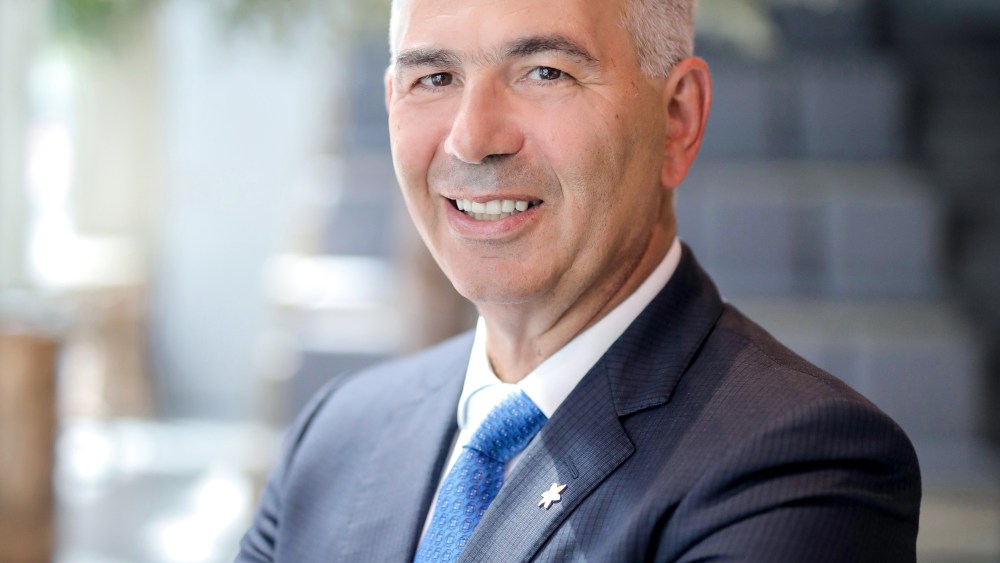
“Saudi Arabia is by far the biggest opportunity,” contended Patrick Chalhoub, group president of Chalhoub Group, the biggest luxury retail partner in the Middle East.
“You have 27 million Saudi nationals, the vast majority under 30, which will double in the next 20 to 25 years,” he said. “The government has an impressive clarity of vision and there has already been a big shift in society, these are all great conditions for long term.”
The challenge, he said, is rushing in to grow too quickly. “The only advice I would give is that you cannot speed up time.”
Related Articles
The government’s ambitious Vision 2030 plan aimed at diversifying the economy away from dependence on oil revenue has lead to lightning speed liberalization and modernization of society, which has been very popular and widely embraced.
You May Also Like
“The youth are very enthusiastic. The shift in the consumer mindset and opening up of society is very good for business in general,” Chalhoub said.
But for luxury, the growth has not kept at the pace of other consumer industries. “There are so many options for Saudis on how to spend money from traveling to entertainment, the share of wallet spent on luxury has diminished.”
Part of this has been due to the challenges in offering true luxury retail experiences. Vision 2030 initiatives aim to diversify the economy and boost sectors such as tourism and entertainment. But retail infrastructure development hasn’t kept pace. Chalhoub said there was a lot of excitement when liberalization began and the company made huge investments to grow. But without the infrastructure development growing in the market has been a challenge.
“We made a strategic decision a few months ago to focus deeply on the stores we are operating and ensure we are able to offer a true luxury experience in fewer locations. The true luxury client journey doesn’t exist yet in Saudi Arabia, so we are all working to build that up.”
Overall the higher cost and ease of doing business remains a challenge for luxury retail. Chalhoub also cited the country’s high VAT of 15 percent being a deterrent. Other neighboring countries in the region are in the 5 percent range and often have glitzy malls, which are an attractive reason to travel for a weekend and shop.
Chalhoub said employee training and retention have been challenging. The Saudi nationalization program, which mandates businesses to hire Saudi nationals, requires a deep investment in training, as the workforce has only opened up for women in the last eight or nine years. Rather than open new doors in markets in Saudi Arabia, Chalhoub said “even if it’s a smaller number of clients we are reaching, we need to offer a true luxury journey, the right merchandise, the right service.”
The group is also focusing on a full omnichannel strategy to service customers. With the Kingdom’s high mobile penetration rate the Chalhoubs’ beauty business in particular has experienced very high e-commerce sales via their app. The company has invested in a state of the art fulfillment center in Saudi Arabia. Level Shoes is now offering two-hour delivery in Saudi Arabia.
Chalhoub added that in looking ahead for the next five years, the company will focus on hyper-personalization driven by AI.
“We are growing our customer base, making sure we have their loyalty. We want to ensure we are driving the best experiences but from a communication, recommendation and commerce across all channels.”