
Investors of Sears Holdings Corp. have agreed to drop accusations that chief executive officer Edward Lampert benefited from an earlier spin-off of hundreds of the chain’s stores, but only if they secure a settlement worth $40 million.
A handful of investors filed the suit in May 2015 on behalf of the company, taking issue with the more than 200 Sears’ locations selected for a lease-buyback transaction to be carried out through Seritage Growth Partners, a real estate investment trust formed by Sears and also allegedly controlled by Lampert.
Although Sears disclosed the planned transaction as well as a rights offering allowing Sears investors to take part in the lease-buyback — which saw Seritage scoop up Sears and Kmart locations for about $2.6 billion and then lease many right back — the investors saw it as a deal more beneficial to Lampert, who purportedly gained control over Sears’ best performing stores.
Related Articles
Sears’ representative Chris Brathwaite reiterated Sears’ denial of investor claims that Seritage is actually under the control of ESL Investments Inc. a hedge fund operated by Lampert and said: “All Sears shareholders were free to participate in the Seritage rights offering.”
You May Also Like
He added that Lampert’s ownership stake in Seritage amounts to a voting power of about 9 percent and said the suit is being put to bed merely in order to avoid the expense of “protracted litigation.”
A representative of Seritage declined to comment, citing a company-wide policy regarding legal matters.
The settlement still needs to be approved by the Delaware Chancery Court overseeing the litigation.
Should the proposed settlement be approved, the $40 million to be paid by defendants, including Lampert, ESL and Seritage, will be placed into an escrow account. Save for legal fees and certain other payments for the investor-plaintiffs, the settlement is set to benefit Sears as a whole, leaving the investors to only benefit indirectly.
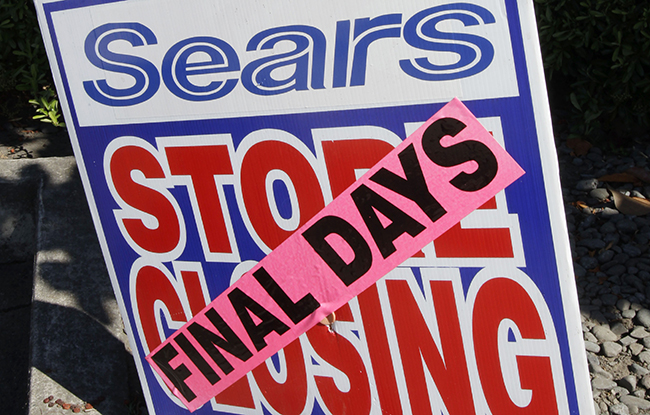
Nevertheless, the $40 million payment stems from an attempt by Sears to monetize what it can, as it continues struggle financially and sell off stores in chunks.
Shares of the company have continued to slip sharply as investor concern deepens.
Fitch Ratings also predicted at the end of January that Sears’ cash burn rate is likely to hit $1.8 billion this year.