
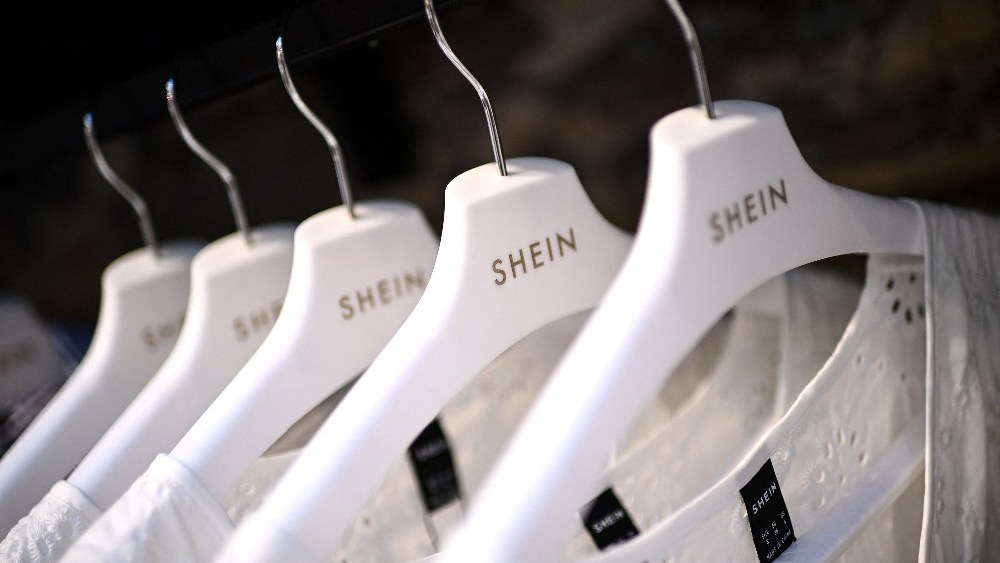
Fast-fashion brands Shein and Uniqlo, and secondhand resellers Depop and Grailed, are significantly outpacing their competitors, according to a new report from consumer data company Consumer Edge.
Consumer Edge’s “The State of Retail 2025: Apparel, Accessories and Footwear” analyzed U.S. transaction data to identify categories and brands on the rise, as well as those facing challenges.
So far in 2025, spend growth for apparel, luxury goods and department stores has lagged behind overall U.S. spend growth. Specifically, apparel, accessories and footwear has seen a 2 percent decline year to date, luxury goods fell 7 percent and department stores rose only 2 percent.
Related Articles
While apparel has seen overall declines, some categories have enjoyed solid gains, particularly those catering to budget-minded shoppers. Fast fashion was up 5 percent year-over-year in January and February, fueled by brands such as Shein and Uniqlo, which outpaced competitors H&M and Zara. Consignment and thrift retail saw a 5 percent growth rate during the same period, with platforms such as Depop and Grailed leading the charge. Resale stalwart Poshmark lagged behind its competitors, likely due to tech disadvantages and fallout from the platform’s fee structure changes of last year, according to the report.
You May Also Like
While wallet-friendly brands have seen gains, luxury categories have struggled. Single-brand luxury — such as Chanel, Dior and Gucci — dropped 6 percent in year-over-year spend, and luxury jewelry spending declined by 2 percent. Multibrand luxury platforms such as Ssense and Net-a-porter saw a steep 22 percent drop in year-over-year sales.
“Multibrand platforms have been forced to contend with increased intra-sector competition from new entrants and concerted efforts by top luxury brands to build up their own DTC efforts, against the backdrop of a broader slowdown in luxury sales,” the report said.
Footwear and athletic apparel also has seen declines, with a 6 percent year-over-year consumer spend decrease.
Consumer Edge’s report highlighted several brands on the rise, exhibiting the highest growth rates in consumer spending this year. Womenswear brands Lagence, Modlily and Halara all landed in the top 20 companies list, as did Quince, which was named the top grower by Consumer Edge last year. Grailed and Depop also landed on this list, as did jewelry brands Rare Carat, Ring Concierge and David Yurman.
Looking at the age groups and incomes of consumers, the report found that all income groups have scaled back spending on apparel, accessories and footwear over the last year, with high-income shoppers — earning more than $150,000 a year — reducing spending the least.
All age groups tightened their wallets this past year, but shoppers aged 18 to 24 reduced spending the least. Gen Z and Millennials cut back the most, while seniors aged 65 and over fell in the middle.
Those demographic groups exhibited some interesting habits when it comes to spending on apparel, accessories and footwear. For instance, high-income earners increased their spend by more than 30 percent this past year at Hollister, which Consumer Edge said could possibly be attributed to parents shopping for their teen children.
Other similarly surprising brands that saw increased spending from higher-income consumers included resale and thrift shops Depop and Goodwill, as well as affordable basics brand Quince. Louis Vuitton and Cartier also increased their share of high-income shoppers, while Gucci saw one of the worst share losses for this demographic.
Younger shoppers ages 18 to 24 flocked to digital-first brands, increasing their spend with Ssense by 6 percent and catapulting Shein past competitors H&M and Zara. Shapewear brand Skims earned a greater portion of spend from 18- to 24-year-olds, and Depop edged out Poshmark in marketshare among younger resale shoppers.
For Gen Z and Millennials ages 25 to 34, Shein ranked first in brand preference, increasing its spend by 4 percent while Uniqlo saw a 2 percent gain in this age group. And while a favorite among the youngest shopper cohort, Ssense lost market share with the 25- to 34-year-old group to competitors such as Farfetch, Mytheresa and Cettire.
Senior shoppers ages 65 and older also spent more with Shein, Mytheresa and Uniqlo, while also buying more luxury items from David Yurman and Hermès. Other favorites for this group included shapewear brand Honeylove and Brooks Brothers.
“What has become clear in the early months of 2025 is that value-driven shopping is reshaping the retail industry,” said Michael Gunther, vice president and head of insights at Consumer Edge. “Consumers are more intentional with their spending, demanding both value and engagement. Fast fashion and resale are booming not just for their price points but also because they fit today’s digital, social and convenience-driven shopping habits. Meanwhile, luxury brands that don’t evolve are losing ground to more agile competitors. This report serves as a roadmap for navigating the future of retail and staying one step ahead in a rapidly shifting market.”