
Beauty consumers’ behavior has always been dynamic, but the level of disruption brought on by the pandemic has created new rules about how to reach, influence and sell to today’s beauty buyers.
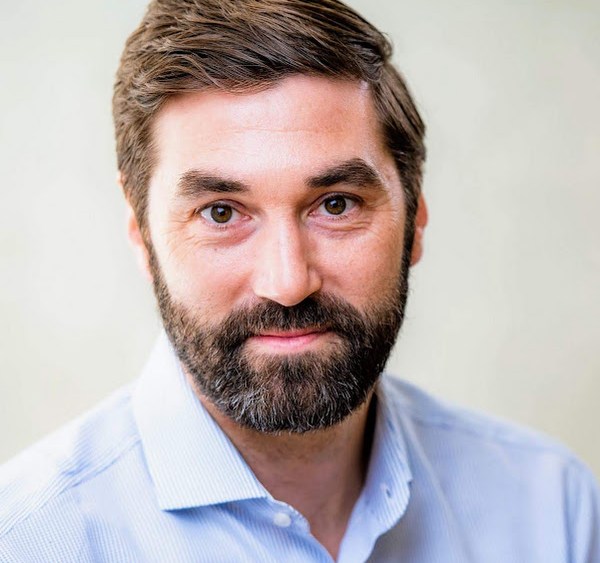
Here, Brian McDevitt, managing director of Home & Personal Care at Google, shares insights into how the beauty market has changed and how brands can keep pace with evolving consumer demands and expectations.
FMG Studio: How has the beauty industry evolved in the past 18 months, and what’s in store for 2022?
Brian McDevitt: The pandemic gave permission to the beauty industry to embrace change at an unprecedented rate. While categories like skin care and hair color flourished as consumers traded the salon for at-home treatments and self care, other categories like makeup changed significantly as people adopted masks and stayed in more. If you’re a leader at a beauty brand, you’ve likely been asked to digitally transform your organization over the past year and a half, but these changes can feel like a never ending race to an unknown finish line. Instead, we want brands to embrace a route to readiness that acts more like a continuous system, allowing brands to be organized and ready for the next set of changes.
Related Articles
At Google, 15 percent of the searches we see every day are brand new for something that’s never been searched for before, which just demonstrates how quickly consumer needs are evolving. So, the question isn’t why digital transformation but how?
Marketers are working hard to keep up in this changing landscape. And particularly in the beauty category that has always been rapidly changing, it’s going to require us as leaders to develop different relationships with technology to more deeply understand changing consumer behavior with real-time insights, and being ready to respond to those trends with automation.
FMG Studio: Google has gone through changes of its own over the past two decades. How did Google navigate change, and what were the lessons learned?
B.M.: I joined Google 17 years ago and a lot has changed since then. I remember when Google was a search engine only — we had no Gmail, Maps, Android or YouTube. I’ve been able to see firsthand how quickly we had to pivot and change based on a marketplace that is always asking more of us. A perfect example is how we’ve worked to build YouTube’s business over a decade and half. We acquired YouTube in 2006 because we believed video is a powerful medium and core to our mission of organizing the world’s information and making it accessible and useful.
And our approach has been driven by two core Google values. The first is to focus on the user and everything else will follow. And the second is to bet on technical insights. In other words, don’t be afraid to experiment and lean into new technology.
We grounded ourselves in two truths — if we stayed close to the consumer, we’d know exactly what to do. And if we built the right foundation to allow us to act with speed and agility, we’d be prepared to move toward whatever the consumer wanted.
Despite the risks, doubts and fears, we used insights and action to ground our path forward and now YouTube is now one of the top driving reach platforms in the world with over 2 billion users per day. Over the last few years, we’ve been able to achieve significant milestones like building for a more global audience, building greater infrastructure for responsibility and user trust, and enabling technological advancements across the platform. These milestones were hard won and were possible because of our commitment to user experience and new technology.
FMG Studio: What are the challenges beauty brands face in an ever evolving and rapidly changing environment?
B.M.: Last year taught us that brands must move beyond empathetic ads, posts and statements toward real action. The new beauty consumer cares about more than just looking good. They want to feel connected to brands through a brand’s mission and action.
Beauty consumers are increasingly diverse in many ways and they go where they feel included. In fact, in recent research Unilever conducted, 56 percent of people globally say the beauty and personal care industry make them feel excluded.
At Google, we believe if we don’t intentionally include, we will unintentionally exclude. Based on this principle, our marketing team has been on a four-year journey to build inclusion into Google’s work. Over this time the team has helped Googlers and our rostered agencies improve representation and belonging in our campaigns. These resources have acted as our north star when it comes to authentically reaching and engaging our audiences.
While we don’t have all of the answers when it comes to inclusive marketing, we know our partners turn to us to learn from our work. And so we’ve made our learnings at Google externally available to all marketers at all-In.withgoogle.com.
FMG Studio: Beauty consumer behavior has also evolved in the past 18 months. What’s influencing their behavior, and how can beauty brands be more agile and responsive to their needs?
B.M.: The COVID-19 pandemic has had an indelible impact on consumer behavior, with people adjusting their lifestyles in many ways as they navigate uncertainty. But that uncertainty is lingering still even as we move toward our new normal.
As the pandemic evolves, behaviors and experiences across categories evolve as well. There are three actions brands can take to be ready for beauty consumers expectations today. First is to connect with the core. Those that have always been interested in beauty are still excited about it. And while the role of beauty products in their routine is mostly unchanged, its role in their mind-set has expanded from how they look to how they feel.
Second is to position your brand for the future. Expectations of brands are evolving, and people want the beauty brands they choose to reflect their personal values. And lastly, brands must find their next fans. As people build their digital lives their interests are intersecting and discovery is blurring across beauty categories.
FMG Studio: How is Google helping beauty brands succeed in today’s market?
B.M.: Google is helping beauty brands embrace digital transformation. For a lot of companies, it can feel really hard to undertake transformation. Part of it comes down to the fact that the term itself, “digital transformation,” sounds like
such a buzzword.
There’s this mismatch between urgency and importance that can hold businesses back from adopting transformative change because when we have to be making urgent business decisions, transformation might not seem attainable and can seem overwhelming. But if you think about transformation as more an ongoing process, a journey, it can drive immediate impact while also building long-term resilience.
There are three main areas where we can help marketers approach this journey of transformation, depending on their organizational goals. First is in collapsing organizational silos and rethinking organizational skills needed to keep pace with fluid consumer demand. We’ve seen that when marketers break down silos, ensuring that teams from marketing, finance, customer service, information and business are all aligned on shared goals they’re able to maximize their marketing effectiveness.
And you must be consumer-centric. Lean into meeting your consumers where they are. Close the distance between data, insights, and action to unify messaging to your customers wherever they are.
And lastly, rethink planning and budgeting. With quickly evolving consumer behavior, marketing strategies and budgets need to be more responsive than ever. Flexibility is key. We’ve done research that shows that marketers from companies that are at the forefront of digital transformation are more likely to revisit their budgets every month, compared to marketers from companies that aren’t leading who do more annual budget-setting.
Mr. McDevitt will be a featured speaker at the upcoming WWD Beauty CEO Summit on Nov. 17 and 18. To learn more about how Google is helping marketers navigate digital transformation, check out the company’s Route to Ready collection on Think with Google.