
Brands communicate sustainability in lengthy reports, but consumers are gobbling up sustainable fashion news in memes, TikTok explainers and the like.
Sandwiched between the industry and the consumer is the Sustainable Fashion Forum. For those who frequent its Instagram page, Sustainable Fashion Forum is a 204,000-person community that drills down the nuance from sustainable fashion news and information in the form of memes, digital events and now — a podcast, which is rife with the hot takes for which the platform has become known.
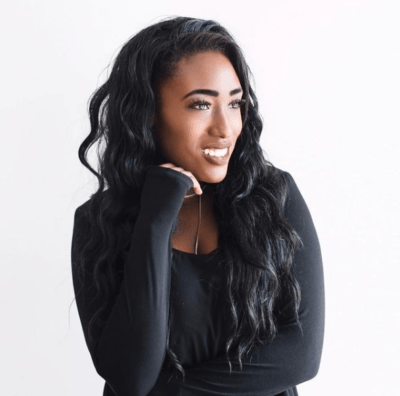
For SFF’s founder Brittany Sierra (the woman behind many aspects of the entirely bootstrapped business), the platform was “completely unintentional.” “I had no idea the impact of fashion on people and planet,” said Sierra, who prior to founding SFF in 2016 was a marketing consultant based in the Portland area.
Related Articles
It wasn’t until being a guest judge at a Portland fashion show “Modified Style” that she decided to do something more.
Her people-focused nature led her to “get [experts, among them Eileen Fisher execs] together to tell me what this is” gathering an impromptu sustainable fashion event in an antique furniture store.
The event surprisingly drew a crowd of 150 people. In hindsight, Sierra (who finds herself to be somewhat of a perfectionist) was horrified by it. “I thought they were going to completely empty out the furniture.” Luckily, “everyone thought it was cool and intentional.”
She reflected on the learnings. “Portland is a very green city, we really value sustainability and taking care of the planet. At the time, people that I knew weren’t talking about sustainable fashion like that. When I did the event, I had no idea who was going to show up.”
While Portland is very green, it’s also very white — from a demographic standpoint — which only pays importance to mention as the broader “sustainable fashion community” has withstood criticism for being dominated by a white female narrative.
As a Black female entrepreneur in Portland (referred to as the “whitest city in America” in 2016, with today’s racial breakdown tallying 77.5 percent white, 9.7 percent Hispanic/Latine and 5.8 percent Black residents, per U.S. Census data), Sierra aired some of the tensions she feels people demand of her. “Sometimes I feel like SFF is not Black enough,” she said noting press opportunities repeatedly go to only a handful of Black creatives or entrepreneurs.
Regardless, SFF is speeding past obstacles and chalking up growth milestones by putting quality of content first. Hundreds join to watch the live programming each April. SFF has partnered with brands like ThredUp in the past.
“It’s something I’d want to see in the future of SFF. That was a true example of that — we came together with ThredUp to tell a story to the consumer,” Sierra said. In past events, SFF counted brands like Kering, Timberland, Christy Dawn, Eileen Fisher, Nisolo Shoes, and tech companies like Avery Dennison and Eon, among the speaker list, available to stream on-demand for a price of $149.
Today, SFF’s edge is not tiptoeing but “diving straight into these issues,” like paying living wages, fashion’s lack of diversity and overconsumption, with events a central convening point for such dialogue.
“What I love about SFF is we are truly a bridge,” said Sierra. “We are a bridge between citizen-consumer and industry. So many brands are figuring out how to join the conversation and put out a message in an authentic way and create change without greenwashing.”
Reflecting on what makes it all worthwhile, she said: “When people express how the platform has helped them. The conference, for example, someone got an internship from it. Someone used the content for their thesis — which is interesting to me because I didn’t even finish college — or businesses applying it to their business. Not because it’s vain, but it reassures being an entrepreneur is hell, being an entrepreneur and trying to build a team is even harder. It shows me that it’s so much bigger than just me and what I’m going through. It really encourages me to figure out what’s next.”
While looking to forge new industry partnerships, more programming and more guests for SFF’s recently launched “Crash Course Fashion” podcast in a fragile pandemic world, Sierra assures the signature humor of SFF will remain.
“For me, [memes] were a way to poke fun at sustainable fashion. It’s always been so stuffy. [Sustainability is] so nuanced and jumbled and never-ending [in its search for solutions],” she said, recognizing that the memes are “become something we’re known for.” And they provide more than just Sierra a “sense of relief” for coping with the never-ending list of social and environmental problems in fashion.
In one meme that features a glamorous, money-clad, Birkin-toting Lady Gaga, the caption reads: “Me when my Depop listing sells,” linking to a circular fashion article. Another meme features Internet besties Harry Styles and Lizzo, with “outfit repeating” plastered over Styles, and “Me” labeled atop a beaming Lizzo. Memes have become a vehicle for showcasing the obsessions and frustrations among a community that is increasingly fed up with fashion injustices.
Steering the focus to other pursuits, WWD asked Sierra which of her interests transcend the sustainable fashion bubble, she said immediately: “Plants — monstera, palms, fiddle leaf figs, rubber plants. That’s become my thing.”