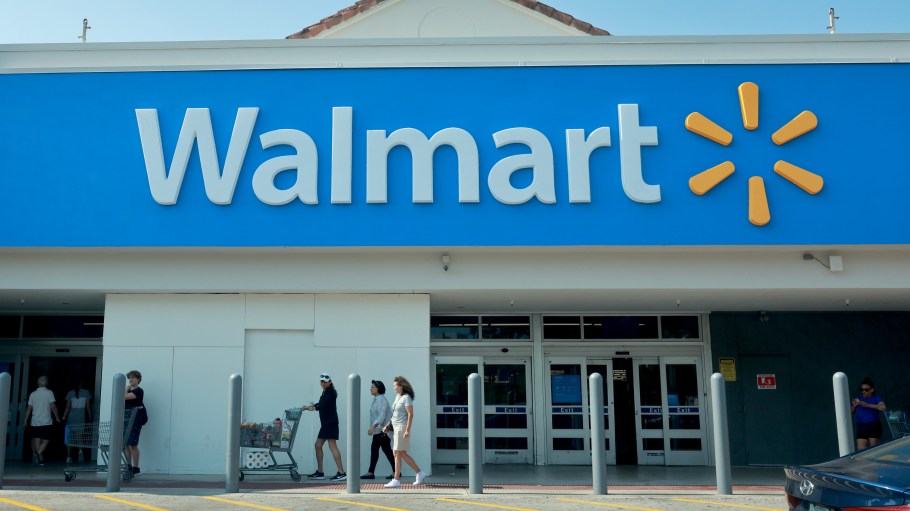
Walmart CEO Doug McMillon had a clear message for investors Thursday: “Higher tariffs will result in higher prices,” the executive said on the company’s earnings call.
Walmart has long been considered a strong option for low-priced goods for Americans. But President Donald Trump’s tariff strategy could be forcing the retailer to change course on prices.
Walmart had previously warned that the impact of tariffs could drive its prices up. McMillon said that’s now becoming a reality.
Related Stories
“We will do our best to keep our prices as low as possible,” McMillon said on the earnings call. “But given the magnitude of the tariffs, even at the reduced levels announced this week, we aren’t able to absorb all the pressure given the reality of narrow retail margins.”
John David Rainey, Walmart’s chief financial officer, said in an interview with CNBC Thursday that the cost increases would come in the very near future.
“You’ll begin to see that, likely towards the tail end of this month, and then certainly much more in June,” Rainey told CNBC.
Only about one-third of Walmart’s final assortment is imported into the U.S., which safeguards it more heavily than some competitors. Amazon, for instance, has a higher reliance on China; data from Amazon seller platform Jungle Scout shows that about 70 percent of Amazon brands or sellers noted that they source products from China.
Walmart, meanwhile, imports about one-third of its U.S. assortment from companies like China, Mexico, Canada, Vietnam and India, Rainey said. While China has seen the highest enforceable tariff rates among those countries, Vietnam saw a staggering threat of 46 percent on Trump’s “Liberation Day.” For the moment, Trump has instated two separate 90-day pauses on tariffs—one which has seen the rate on Chinese goods drop to 30 percent, and another which has given other countries a chance to come to specific trade deals with the U.S.
McMillon said the tit-for-tat trade strategy with China has the power to inflict the highest cost increases for the retailer.
“All of the tariffs create cost pressure for us, but the larger tariffs on China have the biggest impact,” he told investors.
Rainey told investors that Walmart has “certain categories of merchandise that we’re dependent upon to import from other countries.” McMillon said that, for some impacted general merchandise categories, the company would look to “move production where that’s possible.”
“That isn’t easy or fast, but we’ve been working on that for years, so it’s not like we’ve just started to make adjustments,” McMillon said after noting earlier in the call that Walmart remains “hopeful” that the U.S. and China will strike up a longer-term agreement that would see brands and retailers paying “even lower tariffs.”
While America’s largest retailer is on the brink of upping prices despite the lowest tariff rate on China in recent weeks, China-founded e-commerce companies may be taking a more opportunistic approach to the decreased duty rates.
Shein told customers Wednesday that it had “lowered [its] prices across a wide range of styles.”
“Whether you’ve been holding off or just haven’t checked in lately, now’s the perfect time to find your next summer fit!” the company wrote in a customer email published to its site.
Last month, Shein and competitor Temu announced that they would both raise prices on April 25 to account for economic fluctuations and added costs attributed to tariffs.
Shein’s decision to once again cut product prices did not directly cite tariffs. However, the announcement came just days after Trump announced tariffs on many goods inbound from China would drop to 30 percent, then noted that shipments under $800 inbound from China via international post would be subject to a 54-percent tariff or $100 flat duty.
Shein’s web page also alerts consumers to the fact that the amount they pay at checkout is inclusive of any applicable tariffs on goods they purchase.
“You’ll never be asked to pay any tariffs or additional fees before or after your package is delivered,” the company promises.