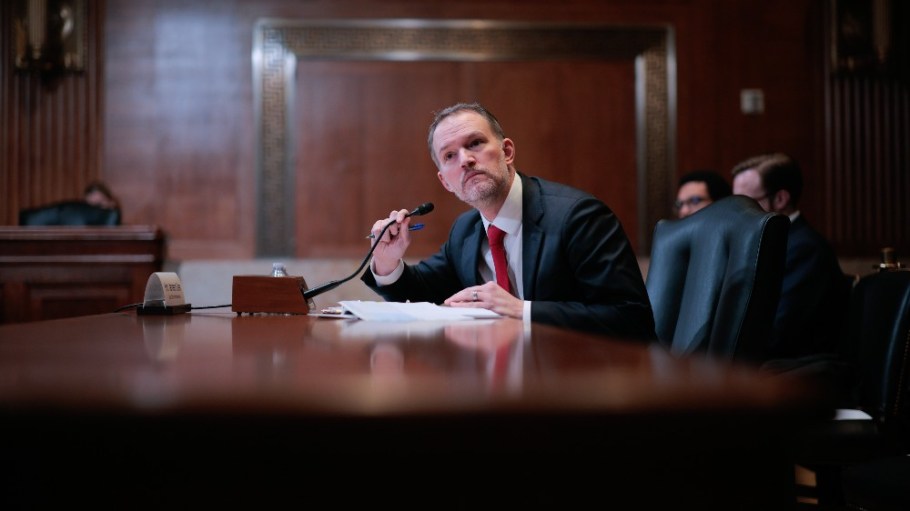
United States Trade Representative Ambassador Jamieson Greer hinted that a renegotiation of the U.S.-Mexico-Canada Agreement (USMCA) could result in two separate bilateral agreements, rather than a single trade deal, connecting the North American neighbors.
Or, the U.S. could exit the pact altogether.
At a fireside chat with the Atlantic Council on Wednesday, Greer spoke to the administration’s shifting trade strategy within the Western Hemisphere, where many Latin American nations face average tariffs of about 10 percent. However, Canada (35 percent) and Mexico (25 percent) face relatively high tariffs and even higher tensions with Washington.
Related Stories
“This is our this is our backyard and we have surpluses with these countries. The reason why some of those countries have a higher tariff is because they have a variety of unfair trading practices that they pursue,” Greer said.
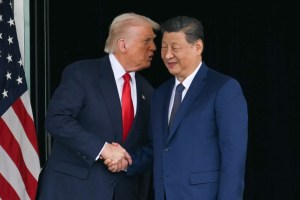
Trump met with Mexican President Claudia Sheinbaum and Canadian Prime Minister Mark Carney in Washington last week following three days of hearings on the USMCA, and the leaders promised to continue the discussion about the future of the trilateral truce. Just days later, however, Trump was threatening Mexico with new tariffs for underdelivering on a water treaty and on Canada for “dumping” fertilizer into the U.S. market.
Greer seemed to hint that a future version of the USMCA might look different given the disparate dynamics between America and its two neighbors.
“Our economic relationship with Canada is very, very different than our economic relationship with Mexico,” he said. “The labor situation’s different. The import-export profile is different. The rule of law is different. So it makes sense to talk about things separately with Canada and Mexico.”
Asked whether a renegotiation of the legislation could result in two, rather than one, agreements, Greer said, “You could have a couple of protocols attached to the agreement, you could have a replacement. I mean, there are a lot of things that you could do.”
There are “certain areas where a trilateral discussion could make sense,” including rules of origin and critical minerals, he added. The USTR lead said the partners could also “align on external trade policies to some extent.”
But there’s a reason a sunset review clause was included in the 2020 trade agreement’s text, Greer said, and that’s flexibility. “Could it be exited? Yeah, it could be exited. Could it be revised? Yes. Could it be renegotiated? Yes. I mean, that is the purpose of that clause. And all of those things are on the table,” he explained.
Greer also said the Trump administration has plans to pursue other avenues to implement its tariffs should the Supreme Court rule against the current scheme.
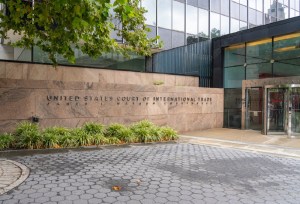
There are “many statutory delegations that Congress has granted to the president or… to agencies to take action” if the high court invalidates the International Emergency Economic Powers Act (IEEPA) tariffs imposed upon more than 90 U.S. trading partners, he said. A hearing on the issue took place last month, and the Supreme Court has until its June recess to hand down a decision.
Greer said the administration’s goal in levying global tariffs is “ensuring that the biggest offenders when it comes to trade deficits and unfair trade practices are addressed.” The No. 1 long-term offender on that list—China—was penalized using Section 301 of the Trade Act of 1974 tariffs during Trump’s first term, and it’s an option the administration is willing to turn to again in its dealings with other nations.
Greer also alluded to Section 232 of the Trade Expansion Act of 1962 and Section 122 of the Trade Act as possibilities. “So, you know, all of this is kind of in the ether and people are talking about it,” he said, noting, “I’m under strict instructions from my general counsel not to reveal the backup plan.”
While the administration waits on the verdict that will decide the fate of the tariffs as they currently stand, Greer said he’s focused on dealing with America’s trade deficit. In assessing the modern trade landscape, he said, “The countries that have the largest surpluses with us and the world, have the largest problems with overcapacity or subsidization, they’re largely Asian countries.”
Currently, China’s tariff rate stands at about 45 percent, between the pre-existing Section 301 duties and the tariffs levied this year, while much of Southeast Asia—Vietnam (20 percent), Cambodia (19 percent), Indonesia (32 percent) and Thailand (19 percent—also faces high tariffs. “And then we have a variety of, you know, closer allies that we trade with, but with whom we have real trade problems. This is Japan, Korea, EU,” Greer said.
But those tariff rates and the revenue they represent could go “poof” at the whim of the Supreme Court. At that point, the federal government could be on the hook for refunds to entities that have already paid their tariff bills.
“Well, it is a lot of money,” Greer admitted. “And, I mean, this is part of the reason why the president’s been so vocal about this case. Obviously, he wants to have the leverage that is afforded by IEEPA to be able to take care of the emergency we’re facing, the offshoring of manufacturing and the deficit,” he said. “You leave a hole in our finances if you do this. So it’s a big deal. And hopefully the Supreme Court… follows the plain language of the text, which is in our favor.”