After nine months of percolating anxiety about the future of its most prominent manufacturing sector—apparel and textiles—Bangladesh has reached a trade agreement with the United States. What’s more, the country’s preeminent exports, which represent 80 percent of the country’s output, will be prioritized under the new pact.
U.S. Trade Representative (USTR) Jamieson Greer and Assistant U.S. Trade Representative Brendan Lynch met with Bangladesh Commerce Adviser Sheikh Bashir Uddin and National Security Adviser Khalilur Rahman to bring the protracted negotiations to a close on Monday. The U.S. agreed to draw down its duties on Bangladesh-originating exports to 19 percent after they were originally set at 37 percent on “Liberation Day” last April and reduced to 20 percent in August 2025.
Related Stories
Washington also said it would implement a mechanism that will enable certain textile and apparel products that were made using American inputs like cotton and man-made fibers to enter the U.S. market duty free. “This mechanism will provide that a to-be-specified volume of apparel and textile imports from Bangladesh can enter the United States at this reduced tariff rate, but this volume shall be determined in relation to the quantity of exports of textiles, e.g. U.S. produced cotton and man-made fiber textile inputs, from the United States,” the USTR wrote in a statement released Monday afternoon.
In turn, Bangladesh will provide significant preferential market access for American industrial and agricultural products like chemicals, machinery, medical devices, soy, dairy, beef, poultry and fruit.
“The agreement marks a historically new level in our bilateral economic and trade relations. It will provide substantially enhanced access of Bangladesh and the U.S. to each other’s respective markets,” Uddin said.
“The reduction of reciprocal tariff from 20 percent to 19 percent will grant further advantage to our exporters, while zero reciprocal tariff on specific textile and apparel exports from Bangladesh will give substantially added impetus to our garments sector,” Rahman, who led the negotiations with Greer, added.
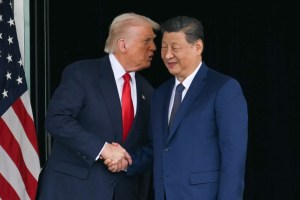
“Under President Trump’s leadership, the United States is pursuing a trade policy that delivers real results for American workers and businesses, strengthening our economic and security partnerships abroad,” Ambassador Greer said following the meeting.
“Today’s signing of the Agreement on Reciprocal Trade with Bangladesh is the first in South Asia and marks a meaningful step forward in opening markets, addressing trade barriers, and creating new opportunities for American exporters,” he added. “I commend Bangladesh’s Commerce Adviser Sheikh Bashir Uddin for his constructive engagement to achieve a more balanced and reciprocal trading relationship.”
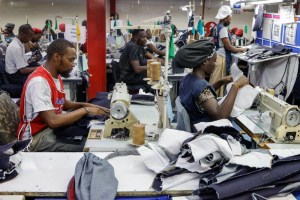
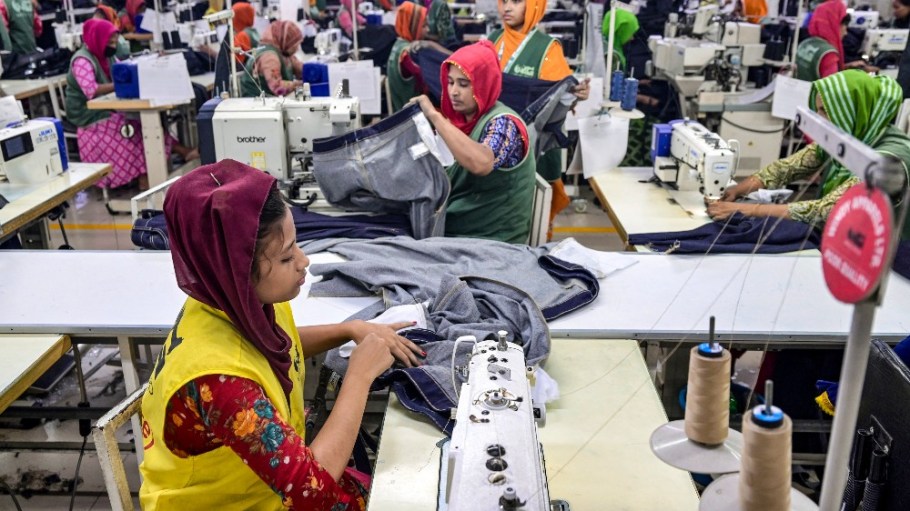
The readymade garments industry is the linchpin of Bangladesh’s export economy and accounts for 10 percent of the country’s gross domestic product. The sector employs about 4 million garment workers.
The deal comes just days after the U.S. and India announced a conclusion to trade negotiations that brought down American tariffs to 18 percent from the 50 percent announced in August. The sky-high 50 percent duty rate was an amalgamation of Trump’s so-called “reciprocal” tariffs and a punitive tax on the country for purchasing Russian oil. India agreed to draw down its purchases, thereby withdrawing a critical financial lifeline for Russia amid its war against Ukraine.