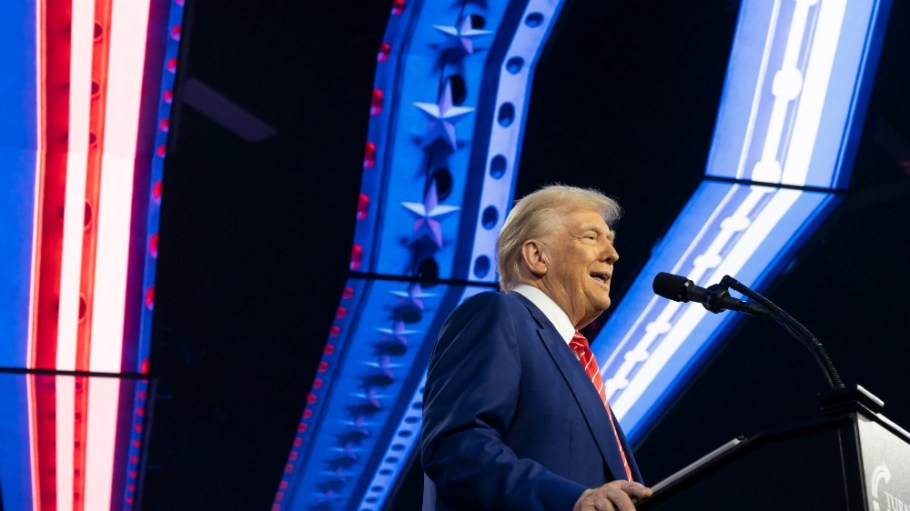
With weeks to go before his inauguration, President-elect Donald Trump is playing a game of whack-a-mole with rumors about shifts in his proposed trade policies.
Trump is now pushing back against a Monday Washington Post report that he plans to revise his universal baseline tariff scheme—a central tenet of his 2024 campaign—to include only “critical imports.”
Throughout his run for office, Trump touted a plan to raise tariffs on goods from all over the globe to a rate of 10 percent to 20 percent, which he said would offset the cost of aggressive income tax cuts that he plans to make during the early days of his second term.
Related Stories
The unorthodox framework has ginned up no small share of controversy, with detractors across the business sector and government saying that such a move could worsen inflation. Trump’s proposed tariffs would impact industrial imports and technology as well as a wide array of consumer goods, and many believe such a move would lead to higher prices at retail.
Sources familiar with the matter told the Post that Trump aides have been working to finesse the plan in recent weeks by focusing in on several key sectors. Trump would like to see a more robust domestic industrial supply chain, they said, and that would mean higher tariffs on metals like steel and aluminum.
He is also bullish about America building up its capacity to produce medical supplies, ergo duties on syringes, needles and pharmaceutical supplies would be in order. Energy production is another key area of focus for the president-elect, so tariffs on batteries, rare earth minerals and solar panels have been discussed, the Post reported.
Hours after the outlet released its report, Trump weighed in, calling the report “Fake News.” He characterized the statements regarding the paring back of his tariff policy as incorrect. “That is wrong,” he wrote in a post on Truth Social.
Last month, Reuters reported that Trump’s transition team was planning to strengthen measures to block the import of cars, components and battery materials from China.
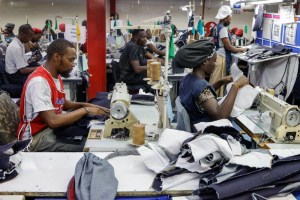
Trump’s seeming intractability on the issue is likely of little comfort to the fashion and retail industries. In November, the National Retail Federation (NRF) reported that U.S. shoppers could lose between $46 billion and $78 billion in spending power annually if new tariffs are levied on global goods. That estimate takes into account Trump’s across-the-board tariffs as well as his proposal to raise tariffs on China-made goods by 60 percent to 100 percent.