The White House will reportedly implement a new, unilateral tariff structure rather than negotiate trade deals with each of the nations impacted by President Donald Trump’s “reciprocal” duties.
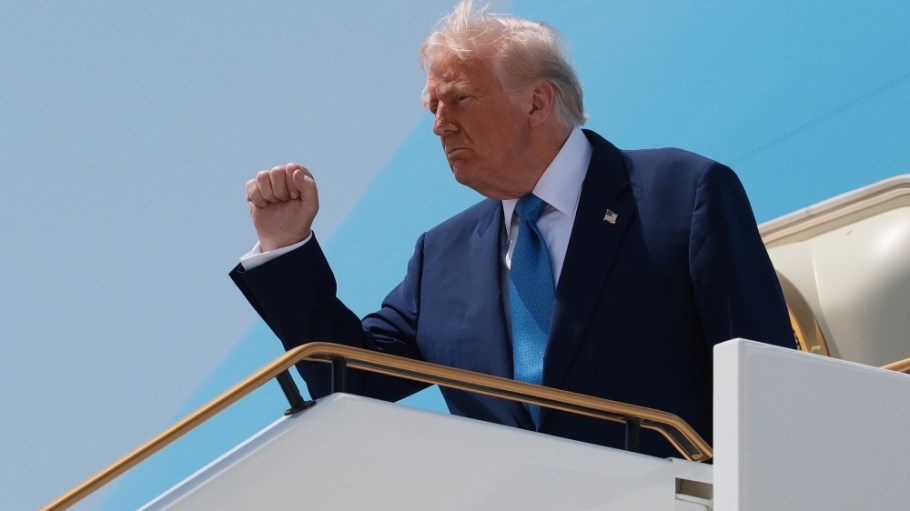
The Commander in Chief, who is touring the Middle East this week, told reporters during a visit to the United Arab Emirates that the U.S. is fielding negotiation requests from “150 countries that want to make a deal.” However, officials won’t be able to meet with all of them.
Given that it’s “not possible” to meet and broker agreements with all trading partners, Trump said his de facto tariff deputies—Treasury Secretary Scott Bessent and Commerce Secretary Howard Lutnick—will be “sending letters out essentially telling people—it will be very fair—but we’ll be telling people what they’ll be paying to do business in the United States.”
Related Stories
The president didn’t specify whether the duty rates he stipulated on April 2—the date of his “Liberation Day” announcement—would be lowered or increased, and it was unclear whether the forthcoming tariff rates stipulated by Lutnick and Bessent would be permanent or merely placeholders until further negotiations can be facilitated.
Thus far, the administration has reached trade deals—or interim agreements—with just two U.S. trade partners. On May 8, Trump held a televised Oval Office meeting to announce a trade pact with the United Kingdom, which includes new market access for American agricultural and industrial products, along with chemicals and machinery. The British would in turn face lower trade barriers on automobiles, though the 10-percent universal baseline tariff—which impacts goods from the U.K.—will remain in place.
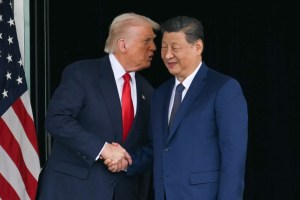
Meanwhile, on Monday, following a weekend of negotiations between Chinese and American officials including Bessent and U.S. Trade Representative (USTR) Jamieson Greer and, the White House announced that both sides would drastically roll back tariffs for a period of 90 days. Under the interim deal, Chinese imports will face a 30-percent duty rate (down from 145 percent) and American goods making their way into the PRC will see duties of 10 percent, down from 125 percent.
While the U.S. and Canada have not formally reached an agreement, the Trump administration agreed to limit the harshest 25-percent duties on all Canadian goods that were announced in February to goods not covered by the U.S.-Mexico-Canada Agreement (USMCA), though certain duties on energy, steel and aluminum remain in place. Under new Prime Minister Mark Carney’s leadership, the country has effectively suspended all duties on U.S.-made products.