Following months of tariff tensions and protracted trade negotiations, India and the United States have reached a truce, President Donald Trump announced Monday.
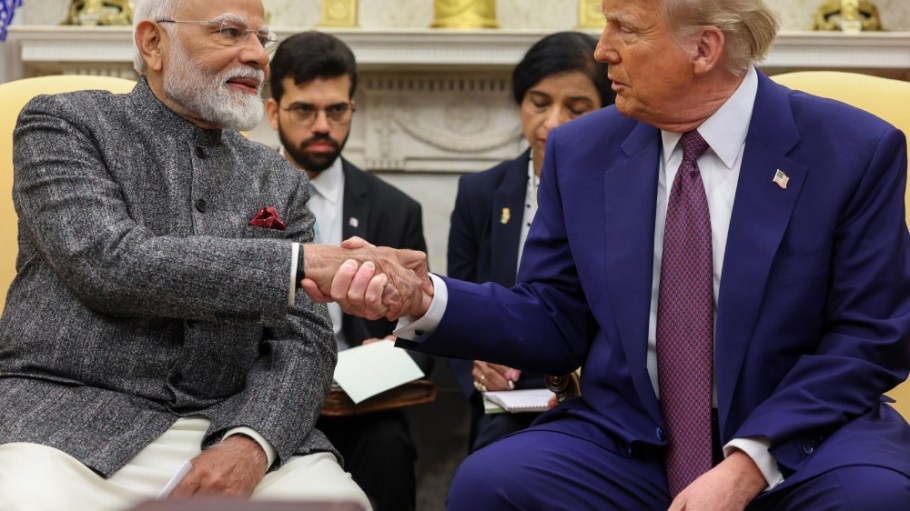
Five months after hitting the country with 25 percent punitive duties for its continued purchasing of Russian oil, Trump wrote on Truth Social that he and Prime Minister Narendra Modi had reached a deal that will significantly lower India’s tariff burden from the punishing 50 percent it’s been facing since August—the highest rate placed on a U.S. trading partner.
Related Stories
According to Trump, Modi agreed to halt the purchase of oil from Russia after a call Monday morning during a phone call wherein the leaders discussed trade and ending the war in Ukraine. Calling Modi “one of my greatest friends,” the president said India plans to shift its sourcing of oil to the U.S. and potentially Venezuela.
As a result, the administration has agreed to lower India’s “reciprocal” International Emergency Economic Powers Act (IEEPA) tariffs from 25 percent to 18 percent. India will move forward to eliminate its tariffs on U.S. imports and draw down non-tariff barriers to trade. Modi reportedly told Trump that the South Asian superpower will buy American goods in higher volumes, in addition to purchasing over $500 billion in American energy, technology, coal and agricultural products.
Modi also took to social media to tout the deal, saying he was “delighted” that Made in India products will see a lowered tariff rate. He thanked Trump on behalf of the country’s 1.4 billion citizens, saying, “When two large economies and the world’s largest democracies work together, it benefits our people and unlocks immense opportunities for mutually beneficial cooperation.”
The early morning deal followed a Sunday announcement from India’s government that it plans to slash duties on a number of products and raw materials, including those needed for the domestic production of leather and textile products.
The country has undergone significant customs duty reforms in recent months designed to bolster the output of domestic manufacturers that are dependent on materials and inputs from other countries, including cotton from the U.S.
This round of cuts focused heavily on products deemed essential to India’s burgeoning energy sector, and was designed to help the country wean off its dependence on China. Impacted categories include the capital goods required for the production of lithium-ion batteries and the processing of critical minerals.
The news came as a part of the budget plan laid out by Finance Minister Nirmala Sitharaman, which details goals to augment India’s export target to $1 trillion. Lowering duties on certain products will attract foreign investment from countries beyond China, the plan said.
In a speech delivered over the weekend, Sitharaman emphasized that India faces “an external environment in which trade and multilateralism are imperiled and access to resources and supply chains are disrupted.”
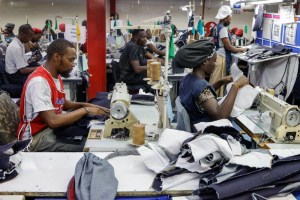
As such, India’s government enacted a range of duty drawdowns, including on products used in the textile sector. New rules stipulate duty-free treatment for imports of specific products used by exporters of shoe uppers, and the time period for export of final products made using such imported inputs is being extended from six months to one year for the leather and textile industries.
The finance minister spoke to a Textile Expansion and Employment Scheme that aims to modernize traditional manufacturing clusters with monetary support for the purchase of machinery, technology and other upgrades. A National Handloom and Handicraft program will upgrade existing frameworks designed to support weavers and other artisans, while a Tex-Eco Initiative will promote sustainable textiles and apparel on the world stage, she said.
“Samarth 2.0,” a program designed for upskilling the textile ecosystem workforce in collaboration with local industry players and academic institutions, was also announced, along with a “Mega Textile Parks” platform that will focus on technical textiles. She proposed the launch of the Mahatma Gandhi Gram Swaraj initiative, which she said would strengthen the creation of handwoven and handloomed textiles.