Tariff exemptions for 45 categories of imported products took effect early Monday morning, fulfilling the terms of an executive order issued by President Donald Trump on Friday.
Covering metals like nickel, tin, gold as well as certain chemical compounds, the exemptions were given to countries that have established trade agreement frameworks with the United States over the course of recent weeks.
“My willingness to reduce the reciprocal tariff to zero percent for a given import or to modify tariffs imposed under section 232 will depend on numerous factors, including the scope and economic value of a trading partner’s commitments to the United States in its agreement on reciprocal trade, the national interests of the United States, the need to deal with the national emergency declared in Executive Order 14257, and the need to reduce or eliminate the threats to national security I have found pursuant to section 232,” Trump wrote.
Related Stories
Imports from countries like Japan and the United Kingdom will be subject to the exemptions. On Friday, the U.S. officially implemented its trade agreement with the former.
The concessions for certain foreign trading partners come as the administration awaits a decision from the Supreme Court on whether it will hear the argument for his expansive tariff regime. The administration asked the high court to determine whether it will hear the lawsuit by Wednesday.
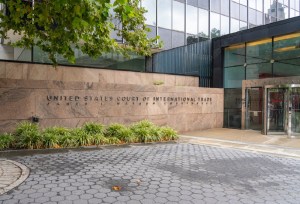
The Trump White House hopes to see the judicial branch overturn recent decisions from a Court of International Trade (CIT) in New York and a subsequent ruling by a Federal Circuit Appeals Court in Washington, D.C. After the CIT found Trump’s tariffs—leveraged using the International Emergency Economic Powers Act (IEEPA)—to be unlawful in May, the administration appealed the decision, only to see the D.C. court come to the same conclusion some months later.
Should it take up the case, the Supreme Court will deliver the final verdict on whether the tariffs can move forward.
If the nine justices rule against the legality of the tariffs, Trump will lose a key pillar of the platform he ran on: lowering taxes for Americans by upping duties on foreign imports. Treasury Secretary Scott Bessent, who has been integral to the deployment of the president’s tariff agenda, reiterated Sunday that he believes it will be allowed to continue on.
“I am confident that we will win at the Supreme Court,” he said during an interview on NBC news on Sunday.
According to Bessent, even if the court rules that the president cannot leverage IEEPA, “there are numerous other avenues that we can take,” though “they diminish President Trump’s negotiating position.”
And should the Supreme Court rule against the tariffs, the Treasury could find itself scrambling to refund companies that have already paid up. As Bessent told NBC, “we would have to give a refund on about half the tariffs, which would be terrible for the Treasury.”
His tone underscored the daunting scope of the issue. The administration last week touted a “record” windfall in tariff revenue totaling more than $31 billion in August alone, which it said will bring the total to $158 billion for 2025. The Yale Budget Lab estimated that tariffs brought in about $23 billion in August and have thus far raised around $88 billion for the U.S. government.
Asked whether the Treasury would be prepared to return the tariff funds to brands, retailers and other American businesses that have been paying new, double-digit duties on imports, Bessent said it wouldn’t have a choice but to dig into its coffers and give the money back. “I mean, there’s no ‘be prepared.’ If the court says it, we’d have to do it,” he said.