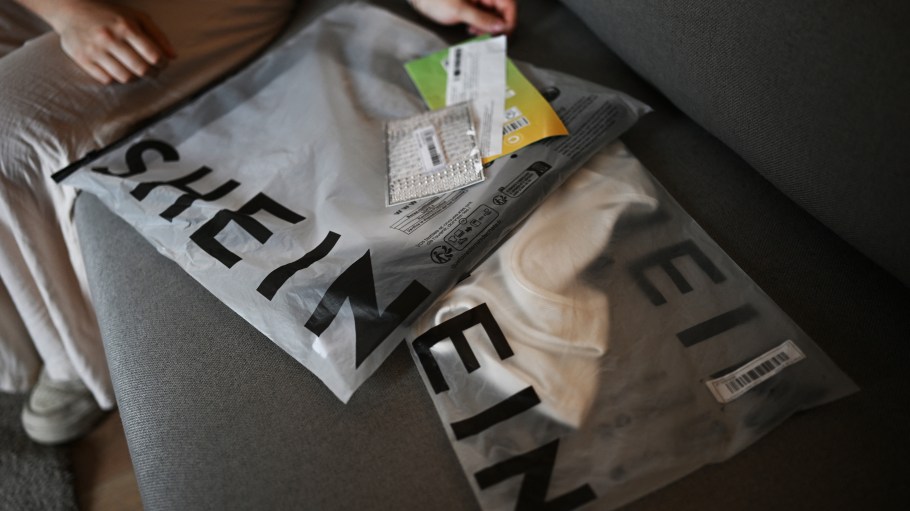
Shein’s taken a step to make sure it’s all buttoned up on trade compliance.
The Singapore-headquartered company announced Thursday it has been participating in a government program designed to test the practicality of receiving advanced information about incoming low-value shipments.
U.S. Customs and Border Protection (CBP) put the program, called the Section 321 Data Pilot, into action in 2019. Section 321—more colloquially known as de minimis—stipulates that eligible shipments valued at less than $800 can enter the United States without taxes or duties.
Related Stories
As of February 2023, CBP estimated that 85 percent of goods entering the U.S. come in under de minimis entry.
That figure has grown since 2019, and continues to accelerate. The agency said it created the program as a way to “monitor and protect against illegitimate trade while providing the public the benefits of duty-free shipments for qualified imports.” The pilot effectively mandates that participants must submit advanced, additional information about the shipments they import with de minimis entry.
The kind of data CBP seeks includes a definitive understanding of who—or what entity—is shipping the parcel in, who will receive it, product photos and more. The agency uses that data to flag high-risk shipments for further inspection, while also expediting clearance for legitimate shipments coming into the U.S.
CBP has been working with online marketplaces, carriers and logistics providers since the outset of the program, but has expanded its mandate—and its participants—over the course of the past four years. Shein joins Amazon, eBay, DHL, FedEx, UPS and others in volunteering for the program.
According to the fast-fashion e-tailer, after participating in the pilot for 30 days, CBP affirmed that it had received all relevant import information and processed it efficiently and without technical problems.
Donald Tang, Shein’s executive chairman, said the company’s voluntary commitment to the program shows it has an interest in facilitating lawful trade.
“Our participation in CBP’s Section 321 Data Pilot reaffirms Shein’s standards of transparency and compliance,” Tang said in a statement. “By disclosing more details about the contents of each package, we can help ease CBP’s burdens so they can focus on maintaining the efficient flow of legitimate trade, while protecting public safety, the U.S. economy and importantly—American consumers.”
Shein’s interest in the program comes while the future of de minimis remains in limbo as politicians from both sides of the aisle rail against the provision. In many cases, U.S. government officials have taken aim at companies like Shein and its competitor Temu for their consistent use of what some call a “loophole.”
And though Shein, Temu and other China-founded e-commerce platforms do ship high volumes of exempt goods into the United States each year, legacy brands, retailers and manufacturers use and benefit from the provision, too.
The pilot program will end next year unless CBP elects to extend it further.
Regardless of what happens with de minimis—whether by the end of the Biden-Harris administration or with the incoming Trump-Vance administration—Shein’s commitment to greater transparency may be a play at making nice with legislators and agencies as it continues to grow its U.S. consumer base and put down roots in the country.
It also partners with material traceability firm Oritain to ensure greater transparency into its material supply chains, which remains a sticking point for CBP as it works to enforce the Uyghur Forced Labor Prevention Act (UFLPA), which prevents goods made in whole or in part in China’s Xinjiang Uyghur Autonomous Region (XUAR) from entering the U.S. The two companies doubled down on their partnership earlier this year.
Steve Lamar, president and CEO of the American Apparel and Footwear Association (AAFA) said that under today’s CBP rules, visibility into the shipping and logistics world is more important than ever.
“We support transparency to analyze and assess the information collected as part of the enforcement of regulations,” Lamar said in a statement. “When we look back at this time, we’re going to find that this is the time that supply chains and logistics chains, and really the industry overall, have become more transparent than ever before.”