India and the European Union are taking decisive steps toward a trade agreement, which Indian apparel exporters hope will offer an outlet for merchandise now heavily tariffed by the United States.
After working through a round of negotiations last week, the trade partners plan to continue to meet with the goal of solidifying a free-trade deal by the end of the year, the European Commission said this week.
“Teams will continue working at intense pace during the upcoming weeks, while intensive engagement at Chief Negotiators’ level will take place in a continuous manner both in virtual and in person format,” European Commission spokesperson Olof Gill told Politico. EU Trade Commissioner Maroš Šefčovič will interface with Indian Commerce Minister Piyush Goyal to bring the talks to a conclusion over the course of the coming months, he added.
Related Stories
The dealmaking process has been thorough and lengthy, with the 27-member trade bloc and the largest nation in South Asia having met 14 times for negotiations, the last being in Brussels last week. According to the Times of India, both sides are seeking to narrow trade gaps, with the EU looking for lower tariffs on automobiles, medical devices, wine and spirits and agricultural goods.
Meanwhile, India hopes to see its most prominent export categories—chief among them, ready-made garments, along with pharmaceuticals, steel, petroleum and machinery—drum up greater demand across Europe. The EU currently takes in about 17 percent of India’s total exports.
The completion of a trade deal has become increasingly pivotal since the U.S., India’s largest export market, levied 50-percent tariffs on Indian goods in August.
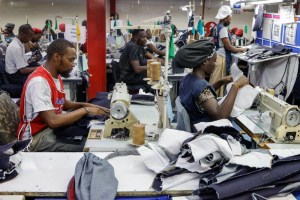
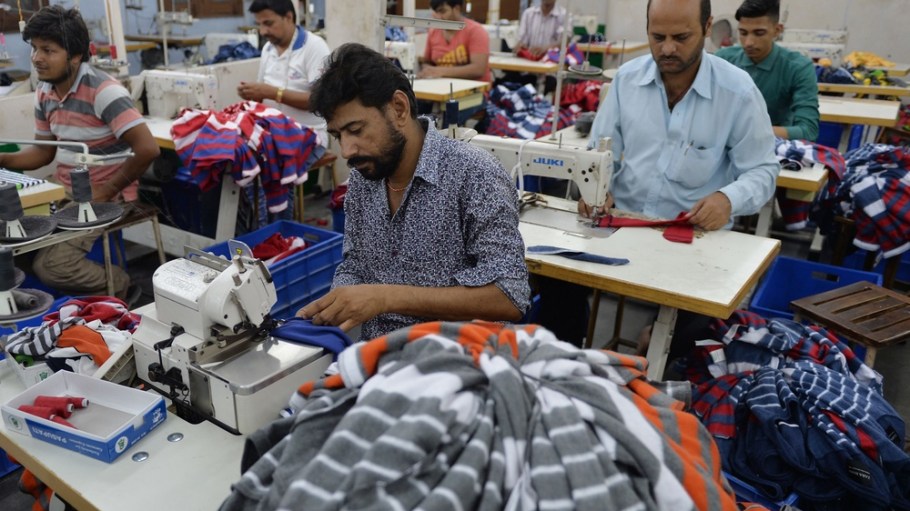
According to reporting from Reuters, India’s textile exporters are feverishly probing European markets for new opportunities. A garment exporter in Mumbai told the outlet his firm was looking to diversify into Europe, and that he hopes a trade deal will spur increased business.
As such, Indian firms are investing more into meeting the EU’s more stringent environmental standards, which include rules related to greenwashing and product labeling, chemical management and sourcing from ethical factories.
Others, like Mumbai’s Creative Group, which exports nearly 90 percent of its output to the U.S., have taken to slashing prices for existing American clients in the hopes of offsetting some of the impact of tariff costs. The group’s chairman, Vijay Kumar Agarwal, told Reuters that the company could be forced to lay off nearly half of its 15,000-person workforce and is looking into relocating production to Bangladesh if conditions don’t improve.
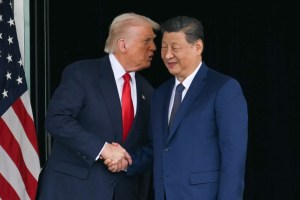
As President Donald Trump ramps up (and down, and up again) his inflammatory rhetoric against China, however, the U.S. may find itself looking for an ally in India.
Over the weekend, the president fanned the flames of the trade war by threatening China with 100 percent tariffs over its imposition of export controls, only to insist, on Monday, that all was well with the bilateral trade relationship. However, by Tuesday, Trump Truthed that he was “considering terminating business with China having to do with Cooking Oil, and other elements of Trade,” as retribution for the country’s apparent drawdown in purchases of soybeans from U.S. farmers.
“This is China versus the world,” U.S. Treasury Secretary Scott Bessent said during an interview with Fox News on Monday. He accused the country of having “pointed a bazooka at the supply chains and the industrial base of the entire free world” with the regulations regarding rare earth minerals, and said the U.S. is prepared to assert its sovereignty while rounding up its friends as backup.
“We have already been in touch with allies,” he added. “We will be meeting with them this week, and I expect that we will get substantial global support—from the Europeans, from the Indians, from the democracies in Asia.”