President Donald Trump on Wednesday signed an executive order “closing the catastrophic loophole” known as the de minimis trade exemption to small commercial shipments from across the globe, building upon a ban issued on China-originating shipments in May.
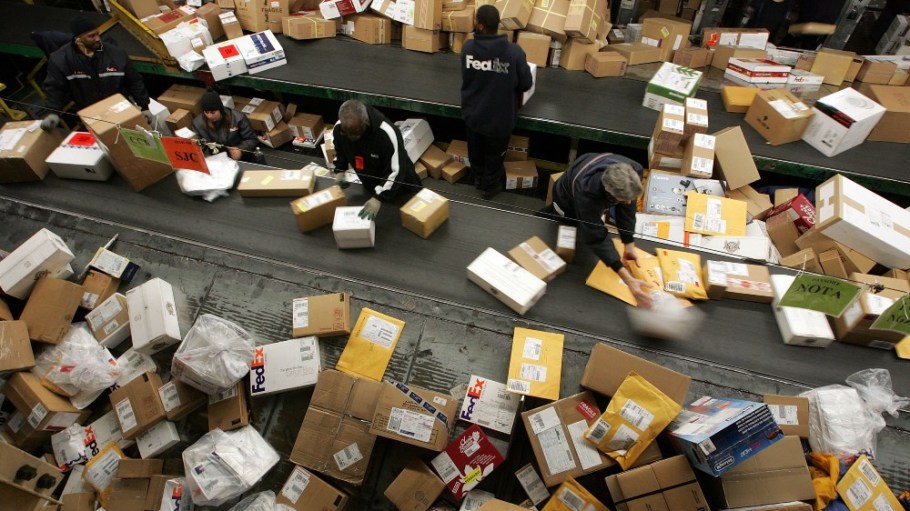
Effective Aug. 29, shipments worth $800 or less making their way into the United States through channels other than the international postal network will be subject to “all applicable duties,” the White House wrote in a memo.
Related Stories
Small parcels shipped through the international postal system will instead see duties assessed through one of two methodologies. Most packages will pay ad valorem duties equal to the tariff rates imposed under Trump’s International Emergency Economic Powers Act (IEEPA) tariffs. Meanwhile, some packages will be subject to specific duties ranging from $80-$200 per item, depending on the effective IEEPA rate of the country of origin. This methodology for determining tariffs will only be available for six months, after which shipments must comply with the ad valorem model.
Trump said the action will put an end” to the “big scam” perpetuated by Section 321, which has allowed large volumes of foreign-made goods (to the tune of 1.36 billion shipments in 2024) into the country duty free. Cauterizing the fatal wound to de minimis, the president’s Big Beautiful Bill, signed into law last month, will permanently repeal the statutory basis for the trade provision globally beginning on July 1, 2027.
This week’s move represents a logical next step for the administration after it closed the de minimis exemption to shipments from China more than two months ago, imperiling the business models of fast fashion titan Shein and global e-commerce marketplace Temu and cutting off shoppers’ access to impossibly cheap wares.
The change has impacted global shippers like UPS, which this week released second-quarter insights revealing a sharp contraction in parcel shipping, especially for smaller packages. In an earnings call Tuesday, CEO Carol Tomé said trade policy shifts had prompted a 34.8-percent volume decline in packages traveling from China to the U.S. between May and June.
Apparel imports from China fell to a 22-year low in May, with the country’s share of American apparel sourcing to dropping below 10 percent for the first time in decades following the administration’s de minimis announcement on May 2.
Shoppers and businesses reliant on the duty-free exemption are lamenting its demise—and even taking the president to court over it. But the National Council of Textile Organizations (NCTO), which represents U.S. textile and apparel manufacturers, has been a longtime proponent of de minimis reform due to a perspective that the deluge of low-value imports is undercutting American makers.
The group’s president and CEO, Kim Glas, commended Trump for leveraging his presidential authority on the matter.
“For eight years, NCTO has led critical efforts to close the de minimis backdoor pipeline for cheap, subsidized, and often illegal, toxic and unethical imports—half of which are estimated to be textiles and apparel,” she said, placing the estimate at 4 million packages per day.
“The de minimis mechanism has functioned as a black box for low-cost, subsidized, and unethical Chinese imports and undermined the competitiveness of the U.S. textile industry—a key contributor to the workforce and the U.S. economy,” she added. According to Glas, Wednesday’s executive order “restores fairness for U.S. manufacturers, closes a major gateway for illegal and toxic goods, and lays the groundwork for reinvestment and job creation here at home.”